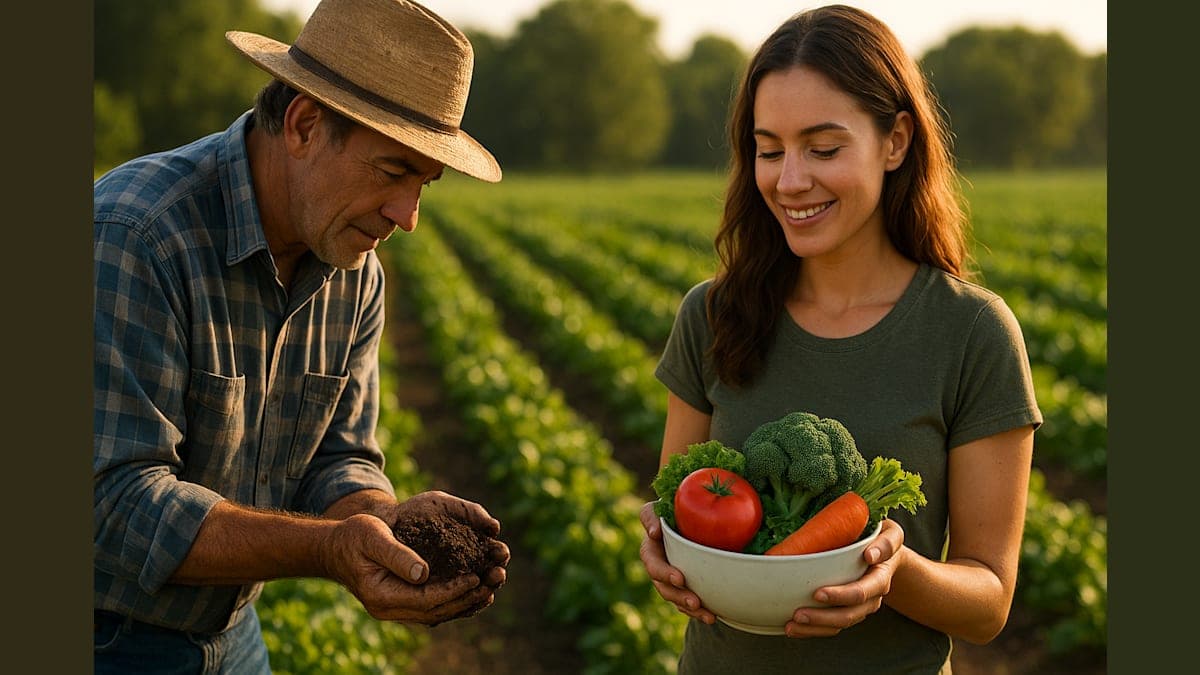
The modern conversation about nutrition frequently centers on probiotics, fiber intake, and the dangers of ultra-processed foods. Yet one fundamental factor often escapes attention: the soil in which our food originates. A growing coalition of nutritionists, farmers, and researchers is now investigating how soil quality fundamentally shapes the nutritional value of what we consume.
Nutritionist Lucy Williamson, who transitioned to human health after fifteen years as a veterinarian, emphasizes the economic and health implications of this connection. According to research from the Food, Farming and Countryside Commission, society spends more than two pounds addressing health problems for every pound spent on nutritionally deficient food. Williamson argues that food cultivated in healthy soil benefits not only climate and animal welfare, but human health as well.
The Microbiome Connection
During her studies at King's College London under Professor Tim Spector, a leading expert in genetic epidemiology, Williamson learned about the human microbiome. This vast ecosystem of bacteria, fungi, and viruses inhabiting our intestines performs essential functions: bolstering immune response, breaking down dietary fiber, synthesizing vitamins, and preventing colonization by harmful bacteria.
The parallels between healthy soil and healthy bodies prove striking. In biodiverse agricultural systems where pesticides are absent, crops must develop natural defense mechanisms. This process requires soil microbes and results in elevated production of polyphenols, a category of plant nutrients with powerful antioxidant properties.
Williamson, whose book Soil to Gut will be published this summer, describes polyphenols as fuel for beneficial gut bacteria. These microbes subsequently produce vitamins and thousands of compounds that influence health far beyond digestive function. They regulate blood cholesterol levels and manage inflammation, a contributing factor in numerous chronic conditions including cancer, heart disease, type 2 diabetes, and Alzheimer's disease.
Historical Roots and Modern Evidence
The concept linking soil health to human wellness dates to the early 1900s, when English botanist Sir Albert Howard worked as an agricultural adviser in India. Howard, a pioneer of organic farming, observed that traditional Indian agricultural practices produced healthier soils than conventional British systems. The results were evident: abundant crops, thriving livestock, and flourishing communities.
Contemporary science is now providing measurable evidence for this relationship. Research published in the British Journal of Nutrition found that organically grown fruits and vegetables can contain up to sixty percent higher polyphenol levels compared to conventionally produced equivalents.
In the Netherlands, HarvestCare has implemented a pioneering food pharmacy initiative that prescribes organic food boxes to patients with type 2 diabetes. Founder Zuzanna Zielinska reports promising anecdotal results, including weight loss, reduced body mass index, and improved quality of life. One patient lost six kilograms and experienced dramatic disease symptom reduction. Researchers at Leiden University are conducting an independent study of the program, with results expected later this year.
Bridging Agriculture and Nutrition
British food company Yeo Valley Organic has practiced organic regenerative farming for more than three decades. The operation tracks soil health and farm biodiversity while raising beef and dairy cattle on diverse herbal pastures rather than single-species grasslands. The company is actively investigating connections between agricultural practices and nutritional outcomes, partnering with the University of Exeter to fund a doctoral research position examining how progressive organic farming influences dairy product nutrition.
Dan Thurston, the company's innovation manager, focuses on developing products that support digestive and overall health. His work encompasses ingredient selection, processing methods, and fiber enhancement. With a background in nutrition and product development, Thurston views his role as an opportunity to positively influence dietary quality, promote longevity, and reduce disease risk.
According to Thurston, consumers are increasingly curious about food origins and nutritional benefits. The challenge lies in providing substantive answers to these questions through rigorous research and transparent practices.
While definitive causal links between soil quality and human health remain under investigation, the accumulating evidence suggests that agricultural practices profoundly influence nutritional outcomes. As diet-related illnesses continue to rise globally, understanding the foundational role of soil health may prove essential to addressing public health challenges at their source.