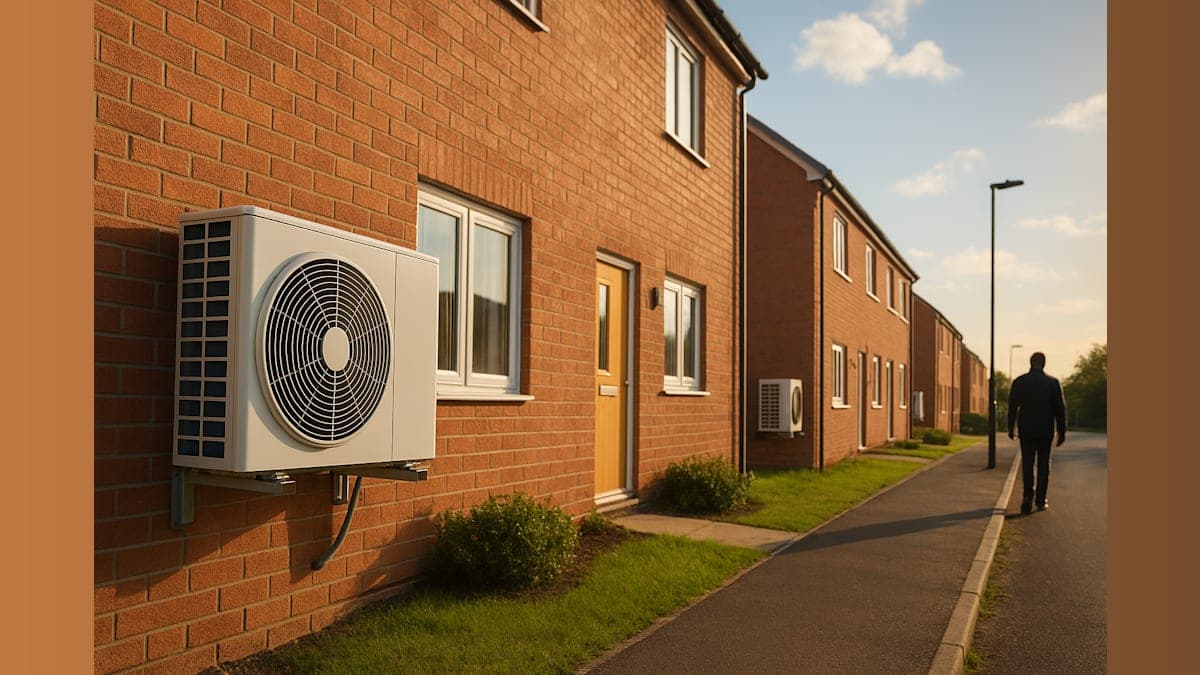
Homes equipped with heat pumps are placing far less strain on electrical infrastructure than energy experts anticipated, according to research from Birmingham City University that tracked seven all-electric properties over twelve months.
The study, which monitored social housing units in Birmingham meeting new energy efficiency standards, found peak electricity demand significantly lower than projections suggested. Dr. Monica Mateo-Garcia, academic lead at Birmingham City University's Centre for Future Homes, characterized the findings as demonstrating consumption "lower than we would expect."
Each monitored property featured air-source heat pumps for heating and hot water, substantial insulation, and solar panel installations. The research revealed that peak usage periods varied between individual homes, effectively distributing electrical demand across different timeframes rather than creating simultaneous spikes that could overwhelm grid capacity.
Professor Richard Fitton of the University of Salford, who was not affiliated with the study, observed that current predictions appear to overestimate power requirements for newly constructed housing. The findings challenge widespread concerns that transitioning to electric heating systems would burden existing electrical infrastructure.
Total annual energy consumption across the monitored properties ranged from 40 to 67 percent below the national average, representing what researchers described as "a huge saving over the typical household." In multiple cases, electricity consumed for heating and hot water fell below Energy Performance Certificate estimates, highlighting documented concerns regarding the accuracy of current rating methodologies.
Professor Aaron Gillich of London South Bank University stated that the research demonstrates objections to heat pump adoption are progressively being disproven. The results provide empirical support for the Future Homes Standard, anticipated to take effect in 2027, which will mandate heat pumps and solar panels in new construction.
The Birmingham study represents critical real-world validation of energy-efficient housing design principles. By demonstrating that properly engineered homes equipped with modern heating technology can substantially reduce both overall consumption and peak demand, the research addresses infrastructure capacity concerns while illustrating the viability of electrified residential heating systems.
Researchers continue to finalize carbon emissions analysis from the year-long monitoring period, which will provide additional data on the environmental benefits of the integrated heat pump and solar panel systems deployed across the studied properties.