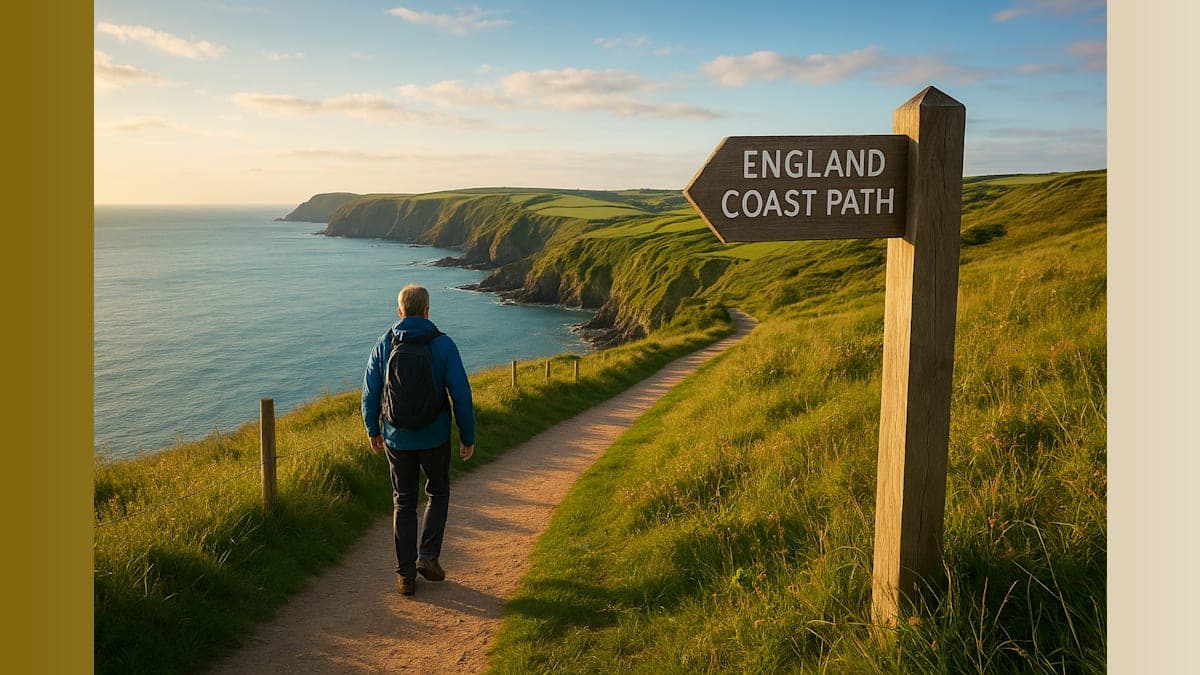
England has achieved a remarkable milestone in outdoor recreation and conservation with the completion of the King Charles III England Coast Path, a continuous 2,689-mile trail that traces the entire perimeter of the nation's coastline. The ambitious project, which began development 18 years ago, represents the first trail of its kind anywhere in the world.
King Charles recently inaugurated the trail by hiking a newly-completed section along the Seven Sisters, the famous chalk sea cliffs that have become an iconic English landmark. The monarch's visible enthusiasm during the ceremony underscored the significance of this achievement for public access to natural spaces.
Tony Juniper, Chair of Natural England, the organization that oversaw the project's creation, described the path as "a testament to how public enjoyment, conservation, heritage, history and community can come together, helping make life better for millions of people."
The completion required substantial infrastructure development. Natural England constructed, connected, or renovated approximately 1,000 miles of pathway, including new boardwalks and bridges. While the majority of the route now offers uninterrupted passage, two sections remain disconnected: one requiring a ferry crossing over the Mersey, and another in south Devon where hikers must ford the River Erme.
Neil Constable, who led the project for Natural England, expressed profound satisfaction with the accomplishment. "It is brilliant—the best thing I'll do in my working life," Constable stated, reflecting the transformative nature of the initiative.
The trail's creation stems from the 2009 Coastal Access Law, which mandated public access to England's coastline. This legislation included forward-thinking provisions to address environmental challenges. The law incorporates a "rollback" mechanism that allows the trail to be relocated inland if sections become impassable due to rising sea levels or severe weather events. All agreements negotiated with private landowners include clauses permitting such adjustments under climate-related conditions.
Beyond creating new pathways, the legislation secured public access to previously restricted areas, including sand dunes, cliff tops, and salt marshes. These provisions represent a significant expansion of recreational opportunities for residents and visitors alike.
The Ramblers, a nature-use advocacy organization that has championed the creation of such a route since the Second World War, characterized the trail as "transformational." Their decades-long advocacy finally reached fruition with this project.
While final completion is anticipated by the end of this year, the trail will require ongoing maintenance and attention. The dynamic nature of coastal environments necessitates continuous monitoring and adaptation to ensure the route remains safe and accessible.
The success of the England Coast Path has generated discussion about extending the concept across the entire island of Britain. Such an expansion would create a route spanning approximately 9,000 miles. Scotland enacted Right to Roam legislation in 2012, establishing legal access to coastal walking, though comparable infrastructure remains undeveloped.
The trail offers hikers an unprecedented opportunity to experience the full diversity of England's coastal landscapes, from rugged cliffs to peaceful beaches, salt marshes to historic ports. The project demonstrates how thoughtful policy, sustained commitment, and collaboration between government agencies, landowners, and advocacy groups can create lasting public benefits while protecting natural heritage for future generations.