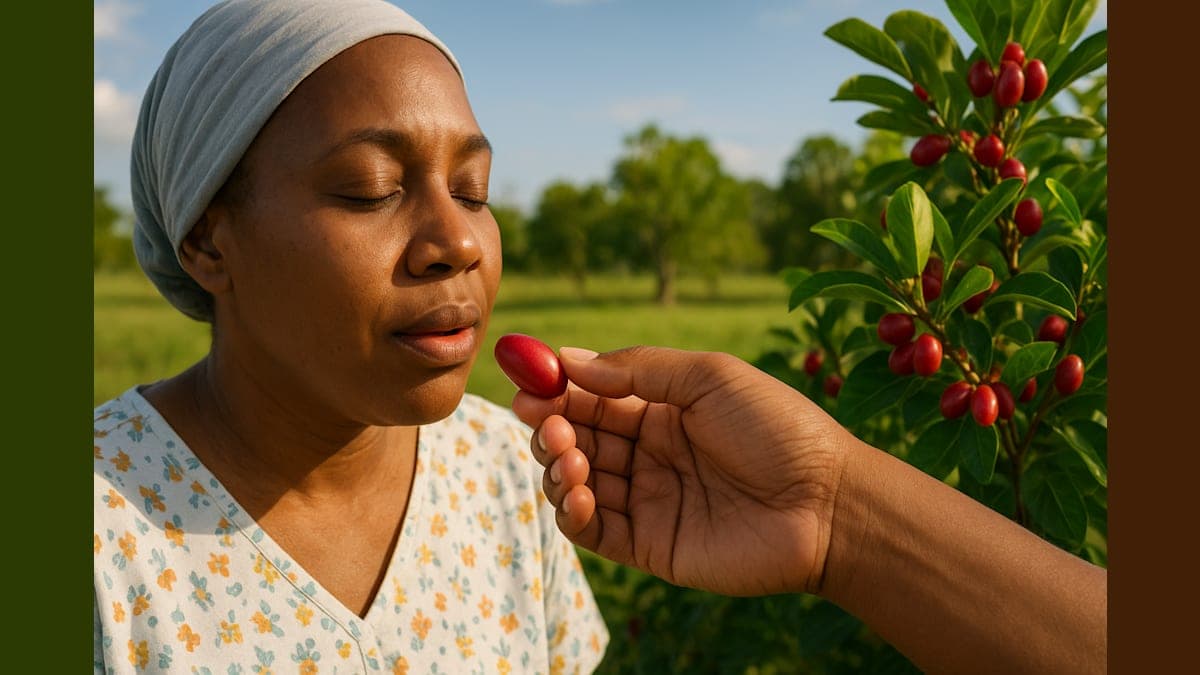
Cancer patients undergoing chemotherapy face numerous challenges, but one of the most overlooked obstacles involves a simple human pleasure: enjoying a meal. A small red fruit native to West Africa may offer these patients a temporary reprieve from one of chemotherapy's most distressing side effects.
The miracle berry, known scientifically as Synsepalum dulcificum, contains a glycoprotein called miraculin that possesses remarkable taste-altering properties. When consumed, this compound binds to taste receptors and transforms sour flavors into sweet ones, an effect that persists for thirty to forty minutes.
Dr. Mike Cusnir, an oncologist at Mount Sinai Medical Center, has conducted preliminary research into the berry's potential therapeutic applications for cancer patients. His studies focus on addressing a condition commonly referred to as chemo mouth, wherein patients experience persistent metallic or rotten tastes that make eating unpleasant or impossible.
Dr. Cusnir emphasized that the berry does not treat cancer itself nor prevent chemotherapy's physiological effects. However, it addresses a critical quality-of-life issue. Proper nutrition remains essential during cancer treatment, yet many patients struggle to maintain adequate caloric intake when food becomes unpalatable.
Julie Ascen, who has battled lymphoma for one year, described the berry's impact in personal terms. The fruit allows her to maintain autonomy over her daily life rather than permitting the disease to dictate her experiences. For patients like Ascen, the temporary restoration of taste represents more than mere convenience—it symbolizes reclaiming normalcy during an extraordinarily difficult period.
The mechanism behind miraculin's effects involves pH-dependent protein binding. When individuals consume sour foods after eating the berry, the resulting low pH environment activates miraculin's ability to trigger sweet taste receptors. This biochemical interaction creates an immediate perception of sweetness, effectively masking the unpleasant metallic taste associated with chemotherapy.
Cultivation of this fruit remains limited within the United States. Florida represents the primary domestic growing region, as the plant thrives in hot, humid conditions similar to its native West African habitat. The fruit's delicate nature necessitates freeze-drying for commercial distribution, as the miraculin compound degrades rapidly after harvest.
The berry's applications extend beyond medical use. Consumers purchase freeze-dried miracle berry tablets for recreational purposes, often as a novel sensory experience. The dramatic transformation of citrus fruits from sour to sweet provides a striking demonstration of the compound's potency.
While miracle berries do not constitute a medical breakthrough in cancer treatment, they address a genuine need within the patient community. The restoration of taste, even temporarily, can significantly impact treatment adherence and overall well-being. For individuals navigating the rigors of chemotherapy, such quality-of-life improvements carry substantial weight.
As research continues into supportive care measures for cancer patients, interventions like miracle berries highlight the importance of addressing not only the disease itself but also the daily challenges patients face during treatment. The ability to share a meal with loved ones or simply enjoy the taste of food represents a fundamental aspect of human experience that deserves preservation throughout the cancer journey.