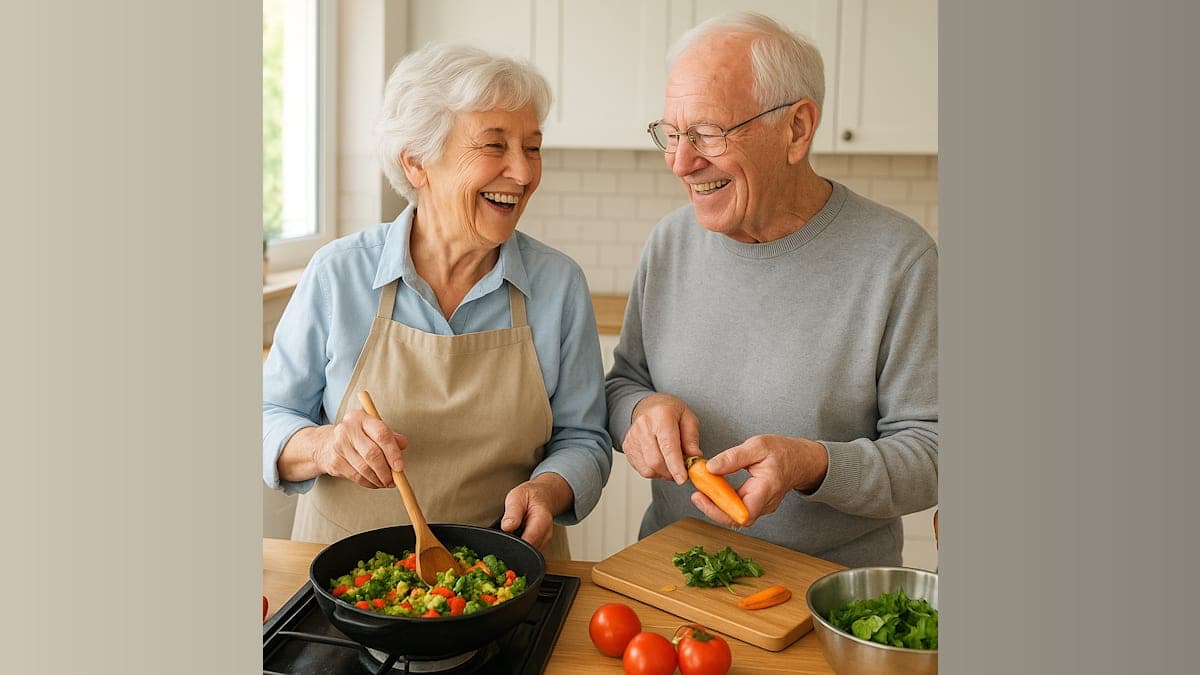
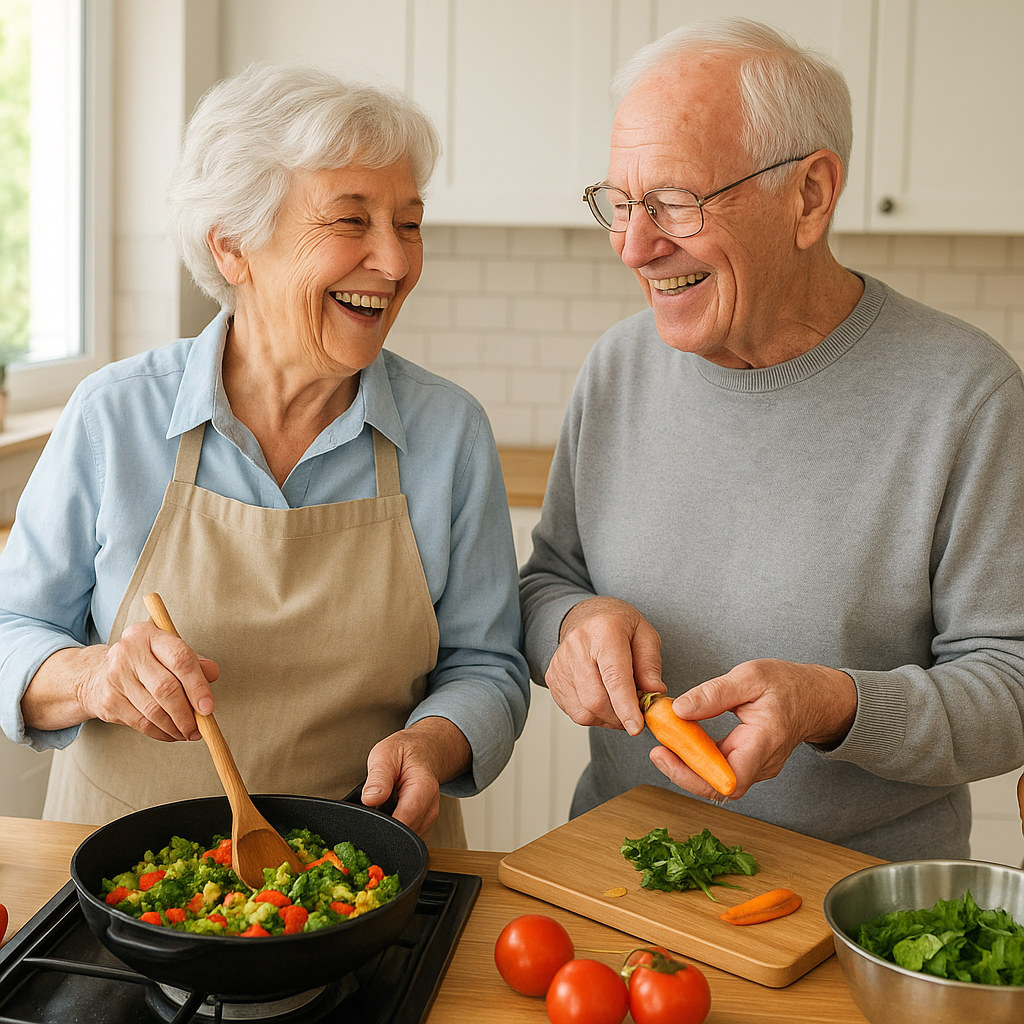
Older adults who prepare home-cooked meals at least once a week may reduce their risk of developing dementia by 30%, according to research published in March in the Journal of Epidemiology & Community Health. The findings suggest that the simple act of cooking from scratch provides significant cognitive benefits for seniors, particularly those with limited culinary experience.
The study, conducted by Japanese researchers, analyzed data from 10,978 participants aged 65 and older who were tracked for six years through 2022 as part of the Japan Gerontological Evaluation Study. The research team sought to understand whether the frequency of home cooking might be associated with dementia incidence and whether cooking skill levels played a role in this relationship.
The participant demographics reflected a diverse cross-section of older adults. Twenty percent were over age 80, more than half were retired, and 50% were women. Approximately one-third had fewer than nine years of education, while 40% reported annual incomes below $12,500.
Participants completed questionnaires detailing how frequently they cooked meals from scratch at home, with responses ranging from never to more than five times weekly. The researchers also assessed culinary competence across seven specific skills, from basic abilities such as peeling fruits and vegetables to more complex tasks like preparing stews.
The results revealed striking differences based on both cooking frequency and skill level. Cooking from scratch at least once weekly was associated with a 23% lower dementia risk in men and a 27% lower risk in women compared to those who cooked less than once weekly. However, the most dramatic findings emerged among participants with limited cooking skills.
For novice cooks with few culinary abilities, preparing a home-cooked meal at least once a week was associated with a remarkable 67% reduction in dementia risk. This substantial protective effect suggests that the cognitive challenge of learning and executing cooking tasks may provide particularly powerful brain stimulation for those less experienced in the kitchen.
The researchers noted that meal preparation offers older adults more than nutritional benefits. The activity serves as an important source of both physical activity and cognitive stimulus, engaging multiple brain functions simultaneously including planning, sequencing, problem-solving, and sensory processing.
The study findings remained consistent even after accounting for potentially influential factors such as lifestyle choices, household income, years of education, and participation in other cognitively beneficial activities including crafting, volunteering, and gardening. This independence from other protective factors suggests cooking provides unique cognitive benefits.
Among the study population, approximately half of participants cooked at least five times weekly, while more than a quarter did not cook regularly. Women and experienced cooks tended to prepare home meals more frequently than men and novice cooks.
The researchers acknowledged several limitations to their observational study. Cases of mild dementia were not included in the analysis, and the classification of cooking skills may not have adequately distinguished between individuals who prepared simple meals by preference versus those genuinely unable to cook more complex dishes. Additionally, the findings may not apply universally across cultures, as food types and preparation methods vary significantly worldwide.
Despite these limitations, the research team concluded that creating environments where older adults can cook meals may prove important for dementia prevention. The findings arrive at a time when reliance on restaurants, takeout, and frozen prepared foods has increased substantially over recent decades, potentially reducing opportunities for the cognitive engagement that cooking provides.
The study adds to growing evidence that everyday activities requiring cognitive engagement can contribute to brain health in older adults. While the research cannot establish definitive cause-and-effect relationships, the substantial risk reductions observed suggest that encouraging regular home cooking among seniors could represent a practical, accessible strategy for supporting cognitive health as populations age.

About the Author
South Jersey NewsBeat
South Jersey NewsBeat is a contributor to LocalBeat, covering local news and community stories.