When Michelle Rudy discovered an unfinished sock monkey her late mother had begun sewing, she faced a poignant reminder of loss. Yet within that incomplete project lay an opportunity: her three-year-old nephew could hold something made with his grandmother's hands, even though the two would never meet. That deeply personal experience led Rudy to an organization transforming grief into connection, one stitch at a time.
Loose Ends, a nonprofit founded in 2023 by two avid knitters, has created an extraordinary network that matches unfinished craft projects with volunteer artisans who complete the work after the original maker has died. The concept addresses a universal human need: the desire to honor those we have lost and preserve their creative legacy.
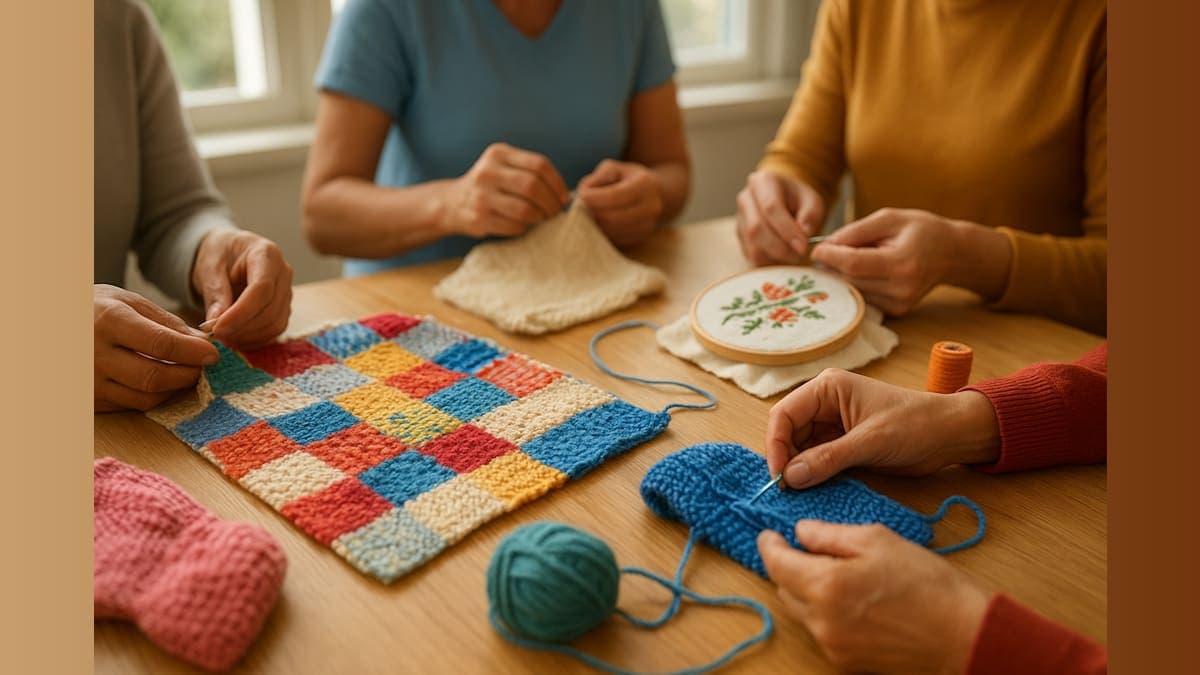
The organization has experienced remarkable growth, now connecting 35,000 volunteers across 84 countries. These dedicated finishers take on sweaters left mid-row, quilts half-pieced, and needlepoints abandoned when illness or death intervened. Each completed project represents not merely finished handiwork, but a bridge between past and present, between loss and remembrance.
The emotional resonance of this work extends beyond simple craft completion. As one volunteer finisher explained, the experience creates "an emotional connection of helping that person's legacy live on." This sentiment captures the profound nature of the endeavor: volunteers are not simply completing projects, but honoring lives and providing solace to grieving families.
The overwhelming response to Loose Ends demonstrates the universal appeal of its mission. The organization currently maintains ten volunteers for each submitted project, a testament to the widespread desire to contribute to meaningful acts of remembrance. To date, the nonprofit has facilitated the completion of approximately 4,500 projects, each representing a family finding closure and a volunteer finding purpose.
The significance of unfinished creative work extends beyond the physical objects themselves. These projects often represent the final tangible connection to a loved one's daily life, their hopes for future gifts, their creative expression. When illness or sudden death interrupts these endeavors, families are left with painful reminders of interrupted plans and unfulfilled intentions.
Loose Ends transforms these painful reminders into completed treasures. A grandmother's partially knitted baby blanket becomes a finished heirloom. A father's half-completed needlepoint finds its final form. Each finished piece allows families to hold something whole rather than something broken, to celebrate completion rather than mourn incompletion.
The volunteer finishers themselves often describe the experience as deeply meaningful. Taking up another person's needles or thread creates an intimate connection across time and circumstance. Volunteers must interpret the original maker's intentions, match their techniques, and honor their vision while bringing the project to completion. This requires both technical skill and emotional sensitivity.
The global reach of the organization, spanning 84 countries, illustrates that grief and the desire for closure transcend cultural boundaries. Whether in North America, Europe, Asia, or beyond, the human need to honor deceased loved ones through completed creative work remains constant. The craft traditions may vary, but the emotional core of the mission resonates universally.
For families considering submitting unfinished projects, the process offers more than a completed craft. It provides validation that their loved one's creative efforts mattered, that their time spent creating held value, and that their legacy extends beyond their lifetime. The finished project becomes a tangible symbol of continuity, demonstrating that love and creativity persist even after death.
The success of Loose Ends since its 2023 founding reflects a broader cultural recognition of the importance of ritual and closure in the grieving process. While traditional mourning practices vary widely, the completion of unfinished creative work offers a contemporary form of honoring the dead that resonates with modern sensibilities while maintaining deep emotional authenticity.
As the organization continues to grow, its impact extends beyond individual families. The network of volunteers creates a community united by compassion and craft, demonstrating how creative skills can serve profound emotional and social purposes. Each completed project represents not only closure for one family, but also the power of human connection to transform loss into legacy.