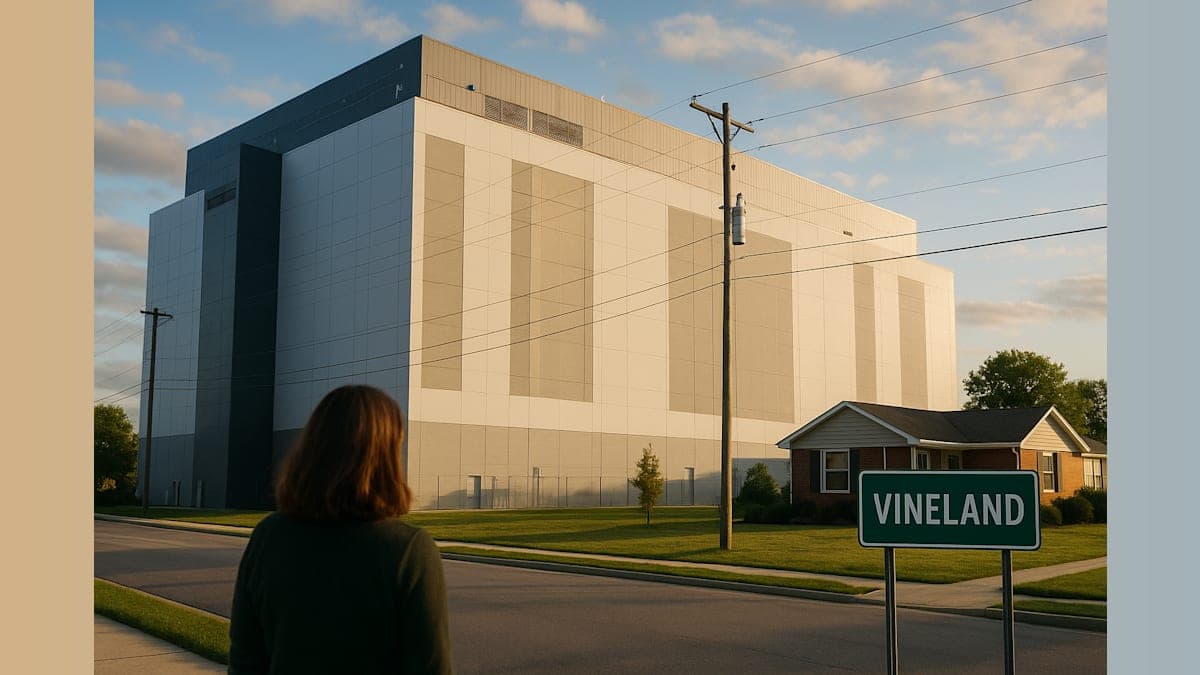
Our neighbors in Vineland are dealing with an unwelcome side effect of the artificial intelligence boom: a constant humming noise from a massive new data center that's disrupting daily life for residents living nearby.
The 300-megawatt facility, constructed by a Dutch company, represents the kind of infrastructure needed to power the rapidly expanding world of artificial intelligence technology. But for those living close to the site, the promise of technological advancement has come with an unexpected cost to their quality of life.
Residents report hearing a persistent humming sound throughout both day and night. Some community members say the noise has begun affecting their daily routines, turning what should be peaceful home environments into sources of frustration and stress.
The complaints have prompted local health officials to launch an investigation into the source of the noise. While officials have not yet determined what's causing the sound, the number of complaints suggests this is more than just a minor inconvenience for a handful of residents.
Beyond the immediate noise concerns, community members have raised broader questions about the facility's impact on the area. Large data centers like this one require enormous amounts of electricity and sophisticated cooling systems to keep thousands of servers running around the clock. These operations can place significant demands on local water supplies and electrical infrastructure.
Property values have also emerged as a worry among residents, who fear that the ongoing noise and industrial nature of the facility could make their homes less desirable to future buyers.
The Vineland facility reflects a larger trend across the country. As artificial intelligence technology becomes increasingly central to business and daily life, companies are racing to build the infrastructure needed to support these systems. Data centers have become the backbone of AI operations, housing the powerful computers that process massive amounts of information.
For our community, this situation highlights the tension between technological progress and residential quality of life. As these facilities continue to expand nationwide, the experience in Vineland may offer important lessons about balancing innovation with the needs and concerns of the people who live nearby.
We'll continue following this story as local health officials work to identify the noise source and determine what steps, if any, can be taken to address residents' concerns.