
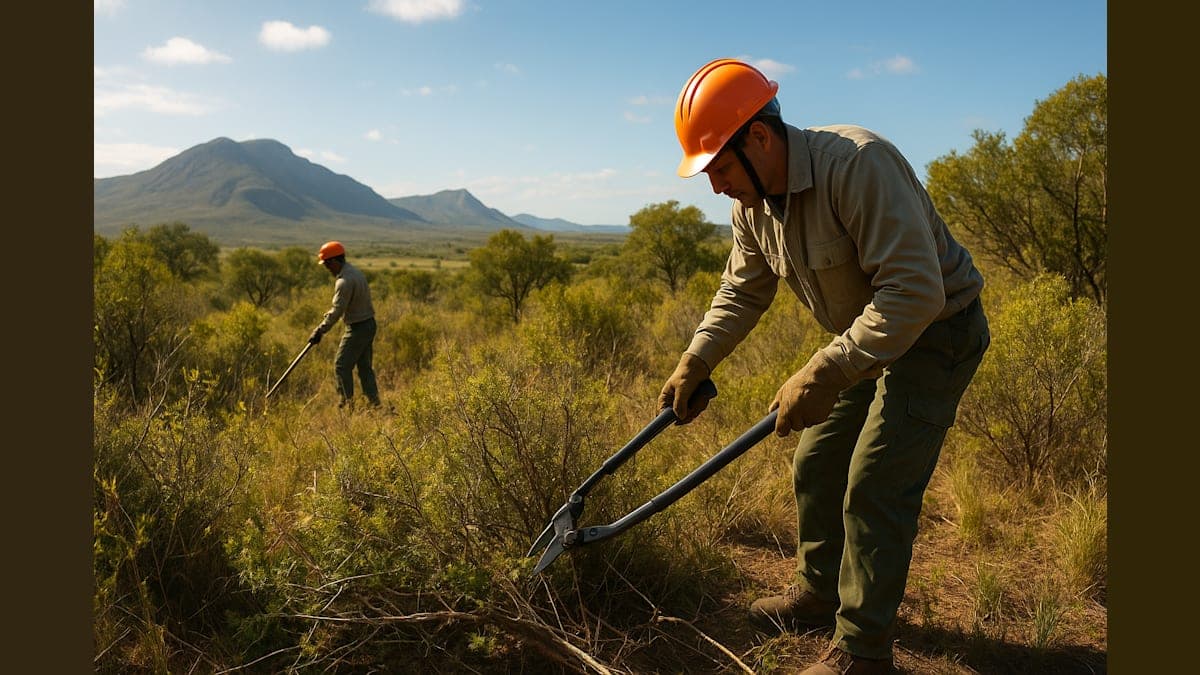
A coordinated conservation initiative spanning nearly a decade has achieved significant success in protecting South Africa's native ecosystems from invasive species. Between 2017 and 2025, conservation teams removed dangerous infestations from approximately 13,000 acres of critical habitat, marking a substantial victory for biodiversity preservation efforts in the region.
The comprehensive effort operated under the coordination of the International Union for the Conservation of Nature (IUCN), which organized multiple groups to address the growing threat posed by invasive alien species. These non-native organisms, including both terrestrial plants and aquatic fish species, had established themselves in ecosystems where they lacked natural predators, allowing their populations to expand unchecked and threaten indigenous flora and fauna.
The scale of the restoration work demonstrates the serious commitment required to address ecological invasions. Invasive trees can fundamentally alter soil composition, water availability, and fire regimes in native habitats, while invasive fish species often outcompete indigenous fish for resources and can disrupt entire aquatic food webs. The removal of these species from 13,000 acres represents not merely the clearing of land, but the restoration of complex ecological relationships that have evolved over millennia.
South Africa faces particular challenges with invasive species due to its unique biodiversity. The nation is recognized as one of the world's biodiversity hotspots, containing numerous endemic species found nowhere else on Earth. When invasive species establish themselves in these irreplaceable habitats, the consequences extend beyond local ecosystem disruption to potential global extinctions.
The multi-year timeline of the project, extending from 2017 through 2025, reflects the persistent nature of invasive species management. Unlike one-time interventions, effective control of established invasive populations typically requires sustained effort over extended periods. Initial removal must be followed by monitoring and follow-up treatments to prevent re-establishment from remaining seeds, root systems, or surviving individuals.
The success of these coordinated projects offers valuable lessons for conservation efforts worldwide. Invasive species represent one of the primary threats to global biodiversity, second only to habitat destruction in their impact on native ecosystems. The IUCN-coordinated approach in South Africa demonstrates that with sufficient resources, scientific expertise, and sustained commitment, even well-established invasive populations can be effectively managed and native habitats restored.
As climate change and global trade continue to facilitate the spread of invasive species across international borders, the techniques and strategies developed through this South African initiative may prove increasingly valuable. The restoration of 13,000 acres represents not just a local conservation victory, but a contribution to the global body of knowledge on effective invasive species management and ecosystem restoration.