The United States faces a critical shortage of Patriot air defense missiles as global conflicts drain stockpiles faster than manufacturers can replenish them, according to defense analysts and government officials.
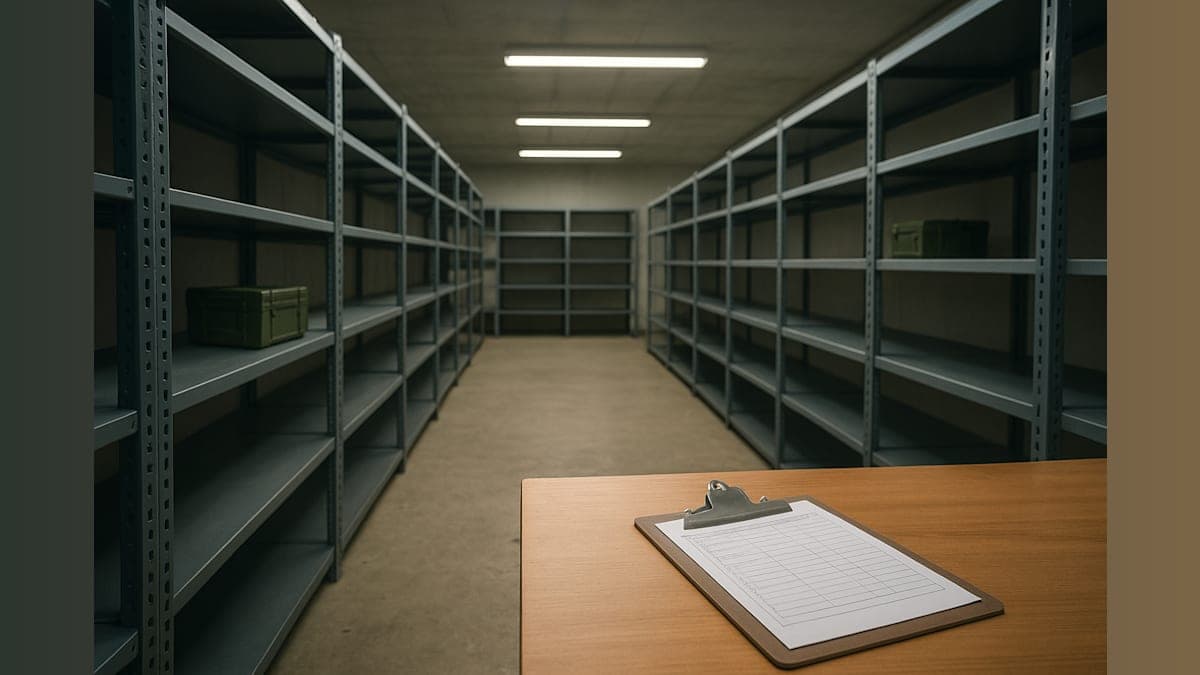
American inventories of these sophisticated interceptors have dropped dramatically since late February, falling from more than 2,300 missiles to approximately 800, according to July figures from the Center for Strategic and International Studies in Washington. A U.S. official speaking anonymously due to the classified nature of exact stockpile numbers confirmed these estimates to NPR.
The depletion stems from simultaneous demands in two major theaters: the ongoing war in Ukraine and military operations in the Middle East following President Trump's launch of the Iran war on February 28. Both conflicts have consumed Patriots at rates that outpace current production capacity.
Ukraine's vulnerability became starkly apparent during a Russian assault before dawn on Saturday, August 1, when Moscow launched 27 ballistic missiles at targets including the capital Kyiv. The attack killed nine people and wounded more than 30, but Ukrainian forces managed to intercept only a single incoming missile.
"Only one ballistic missile was intercepted, simply because there are no interceptors for the Patriot systems," President Volodymyr Zelenskyy wrote on social media following the strike. The Ukrainian leader has since appealed for other nations to transfer their Patriot missiles to his country rather than stockpiling them for "hypothetical scenarios."
The Patriot system, introduced by the U.S. military during the 1980s and battle-tested during the 1991 Gulf War against Iraqi Scud missiles, remains the primary defense against ballistic missile attacks for nearly 20 countries allied with the United States across Europe, Asia, and the Middle East. Ukraine has relied on Patriots as its only reliable countermeasure against Russian ballistic missiles since receiving the systems three years ago.
Defense Secretary Pete Hegseth characterized news reports about Patriot shortages as a "manufactured story" during remarks in June. However, two months earlier, the same official acknowledged that replenishing missile stockpiles could require "months and years."
Production constraints compound the supply challenge. Raytheon, now operating as RTX, manufactures the Patriot battery systems and missiles, while Lockheed Martin also produces interceptors for the platform. Each missile carries a price tag of approximately $4 million. Combined annual production from both contractors has remained below 1,000 units, a figure that proved adequate until recent conflicts drove demand sharply higher.
Both American defense firms have announced plans to accelerate manufacturing, though timelines for restoring or expanding global inventories remain uncertain.
"The Patriot system has really been the main ballistic missile defense system. It's a really big stockpile problem. I don't know if there's any immediate solution," Rob Lee, a U.S. military analyst working with the Foreign Policy Research Institute of Philadelphia, told NPR. Lee currently resides in Ukraine.
The shortage extends beyond Patriots to other advanced interceptors. American stockpiles of THAAD missiles—Terminal High Altitude Area Defense systems shared only with Saudi Arabia and the United Arab Emirates—have declined from approximately 450 before the Iran war to roughly 250 today, according to the Center for Strategic and International Studies report.
At last month's NATO summit in Turkey, President Trump indicated he would grant Ukraine licensing rights to manufacture its own Patriot missiles. Following a White House meeting last week, Zelenskyy immediately entered discussions with Lockheed Martin to advance the arrangement.
On Friday, however, Trump reversed course. "We have to be very careful about letting somebody build them," the president said. "You have to be very judicious, but you have to be very careful. Now, we have not agreed to that. We're talking about it. But it's a hard thing to give away that kind of technology."
Representative Don Bacon, a Nebraska Republican, former Air Force general, and member of the House Armed Services Committee, criticized the administration's hesitation. "While 70 percent of Americans support Ukraine, the policies of the White House make them appear to be in the 30 percent," Bacon told Radio Free Europe/Radio Liberty earlier this week. "Enabling the Ukrainians to build the Patriot would have helped relieve the shortage of interceptors we face today. I wish the president was more of a Reagan or Churchill when it comes to Russia."
Even if Ukraine secures manufacturing authorization, production would likely require several years before missiles enter service due to supply chain constraints for missile components, according to U.S. officials and defense analysts. Currently, only Germany and Japan hold American licenses to produce Patriots.
No nation has publicly committed to transferring additional Patriot missiles to Ukraine despite Zelenskyy's appeals. Meanwhile, U.S. allies in the Gulf region have expressed concerns about their own ability to obtain fresh supplies should renewed hostilities with Iran deplete their current inventories.