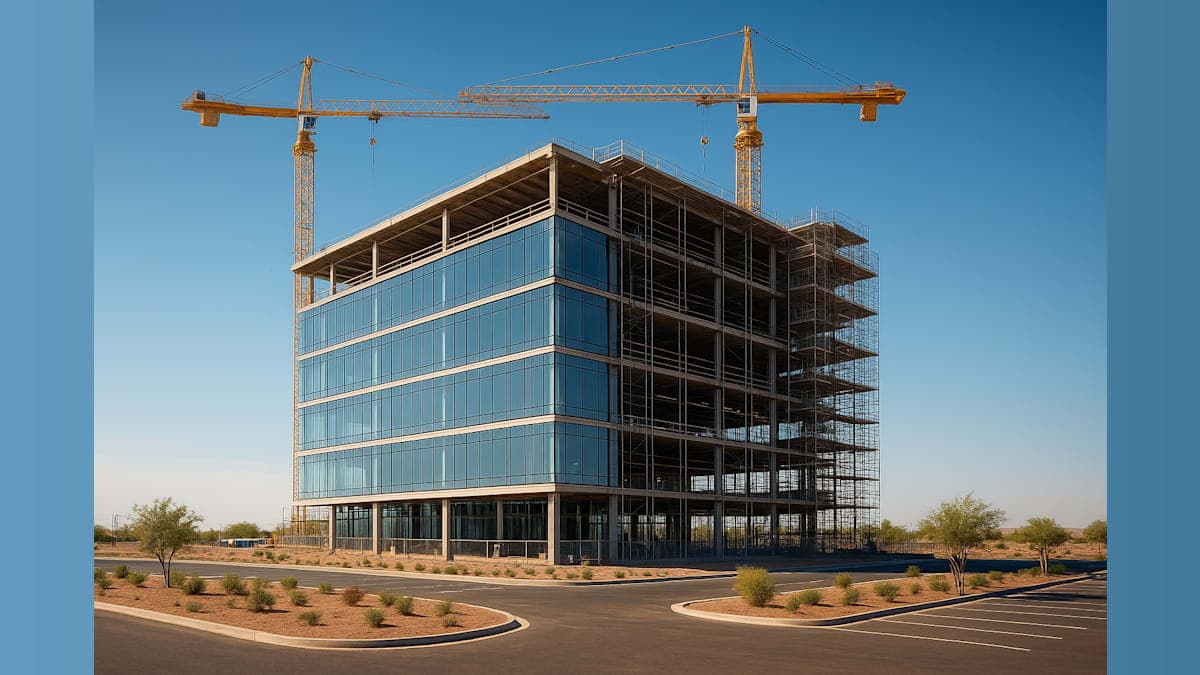
A massive construction site surrounded by highways and office towers in Dallas represents Wall Street's growing commitment to Texas. Goldman Sachs is spending approximately $700 million to build an 800,000-square-foot campus that will eventually house more than 5,000 workers when it opens in 2028.
The New York investment bank's expansion will dramatically increase its Dallas footprint, which already serves as the company's second-largest United States office after its Manhattan global headquarters. The development has become a prominent symbol of the financial sector's migration to Texas and the state's determination to compete with traditional Wall Street institutions.
Local officials and banking executives have embraced the term "Y'all Street" to describe Dallas's emerging financial district. Aasem Khalil, the Goldman Sachs partner leading the Dallas office, described the new campus as situated in "the beating heart of Y'all Street," according to NPR. He noted that major competitors including JPMorgan Chase and Morgan Stanley, both headquartered in New York, either maintain or are considering Dallas operations.
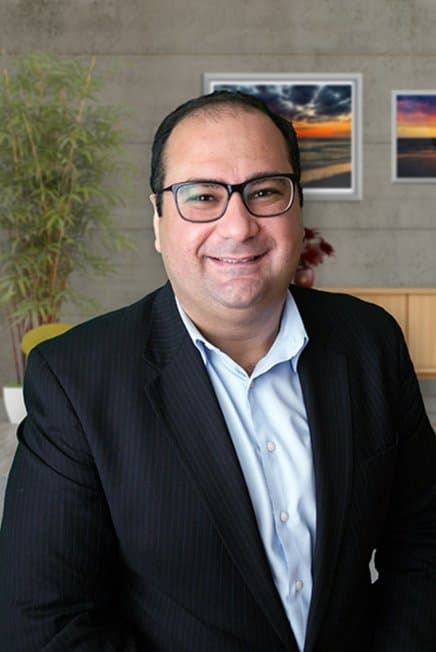
Khalil, a lifelong New Yorker who relocated to Dallas for Goldman Sachs a decade ago, has become an enthusiastic advocate for the city. "This is the most welcoming city you'll find anywhere in the country, if not the world," he told NPR. "The culture is amazing, and the business climate far surpassed any expectation that I had, when I came down here as an uninformed New Yorker."
Texas has positioned itself as the fastest-growing state in the nation, with the North Texas region projected to reach 9 million residents by next year. The state now hosts more Fortune 500 companies than California or New York, a distinction that extends beyond traditional Texas industries like oil and gas.
Recent corporate relocations include high-profile moves by Elon Musk's Tesla and SpaceX, Larry Ellison's Oracle, investment firm Charles Schwab, and pharmaceutical giant McKesson. These companies join established Texas corporations such as American Airlines and AT&T.
The state's appeal centers on lower taxes and reduced regulatory burdens. Recent legislative changes have made Texas even more attractive by implementing laws that help companies defend against shareholder lawsuits and other legal challenges. These measures have also drawn businesses away from Delaware, traditionally the preferred state for corporate legal headquarters.
Dallas Mayor Eric Johnson has embraced an explicitly political framing of the city's business climate. Johnson, who switched from the Democratic party to the Republican party in 2023, contrasted Texas with states led by more liberal politicians.
"We don't vilify corporations down here. We view them as partners, and we view them as job creators that we want to support," Johnson told NPR. He specifically referenced California's proposed wealth tax on billionaires and concerns about New York City's new democratic socialist mayor, Zohran Mamdani. "I really do believe that we represent the future of capitalism in this country, and we are a sanctuary city from socialism," Johnson said, speaking to NPR.
Financial executives in Dallas tend to avoid such partisan characterizations. Khalil described the regional growth as "just the natural evolution of the financial services industry," telling NPR that "Dallas looks at things as a zero-sum game." He emphasized that Goldman Sachs maintains its commitment to New York even as it expands in Texas.
The Texas Stock Exchange represents both the ambition and challenges of the state's financial aspirations. The startup, backed by Goldman Sachs and BlackRock, opened for trading in July after years of planning. Its launch prompted responses from established competitors: both the New York Stock Exchange and Nasdaq opened Texas outposts last year.
Lynn Martin, President of the New York Stock Exchange, acknowledged the state's growing importance. "Texas has actually become our biggest state," Martin told NPR, while noting "incredible excitement for everything that is going on in the state of Texas and around the Texas ecosystem."
However, the Texas Stock Exchange faces significant obstacles in challenging the dominance of the New York Stock Exchange, which has operated for centuries, and Nasdaq, founded in 1971. Both institutions have successfully defended their market positions against previous startup challengers over decades.
The expansion of financial institutions into Texas reflects a broader geographic diversification of an industry historically concentrated in New York City. While major banks have long maintained operations outside Manhattan for cost savings on back-office functions, the current wave involves relocating senior bankers and client-facing roles to be closer to the growing concentration of corporate headquarters and wealthy individuals in the state.
Goldman Sachs first established a Dallas presence in 1968, but the scale of its current investment signals a fundamental shift in how Wall Street institutions view Texas markets. The 2028 opening of the new campus will mark a significant milestone in the state's evolution as a financial center, though whether "Y'all Street" can truly rival its New York counterpart remains an open question.