
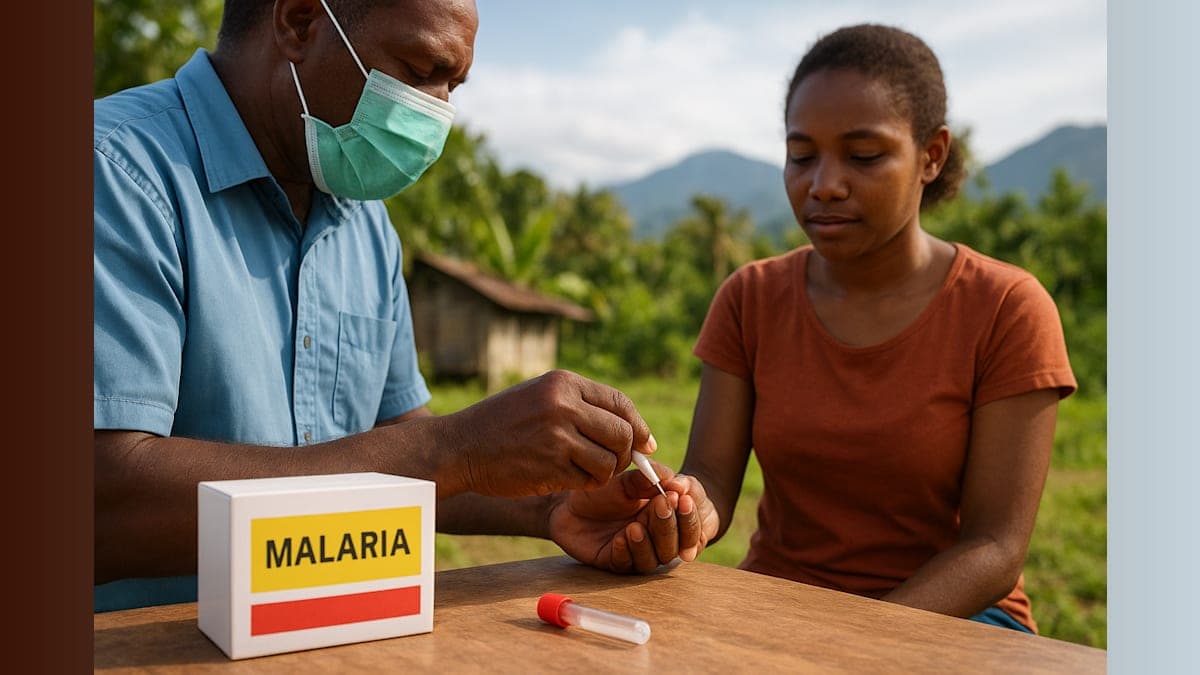
Papua New Guinea has achieved a remarkable 92 percent reduction in malaria deaths without relying on new vaccines, demonstrating that coordinated public health efforts using existing tools can produce extraordinary results against one of the world's deadliest diseases.
The country has reduced its malaria fatality rate from 13 per 100,000 inhabitants to just 1, according to data presented by Lucy Dally, Papua New Guinea's malaria coordinator, at the Morobe Health Authority 2025 Review Meeting last week. This achievement is particularly significant given that Papua New Guinea accounts for approximately 90 percent of all malaria cases in the Western Pacific region.
The dramatic decline represents decades of sustained effort. In 2000, malaria claimed 700 lives annually in Papua New Guinea. Last year, that figure dropped to 148 deaths nationwide. Morobe, the country's most populous province, recorded only 66 malaria-related deaths.
"The decrease in malaria-related deaths is due to different parties working together," Dally told Good News Network. "The surveillance team picks up information and informs the malaria team, who then takes action."
The success stems from an expanded program utilizing rapid diagnostic tests and Artemesinin Combination Therapies. While the country's total malaria case count reached its highest level since 2012 in 2023, with 913,701 cases recorded, the numbers have since begun declining as the enhanced testing and treatment protocols take effect.
Papua New Guinea's national malaria strategy sets ambitious targets: reducing cases by 63 percent and deaths by 95 percent while ensuring 95 percent of residents sleep under insecticide-treated nets. This year, provincial health teams have distributed nets, medicines, and test kits to 60 health centers across the country, expanding access to life-saving interventions in remote and underserved areas.
The Papua New Guinea experience offers valuable lessons for malaria control programs worldwide. The country's success demonstrates that comprehensive implementation of proven prevention methods, coupled with rapid diagnosis and effective treatment, can dramatically reduce mortality even in regions with high disease burden. The coordinated approach between surveillance teams and treatment providers has created a responsive system capable of identifying and addressing outbreaks quickly.
As Papua New Guinea continues working toward its ambitious goals, the progress achieved thus far stands as evidence that sustained public health investment and multi-sector collaboration can overcome even the most persistent infectious disease challenges.