
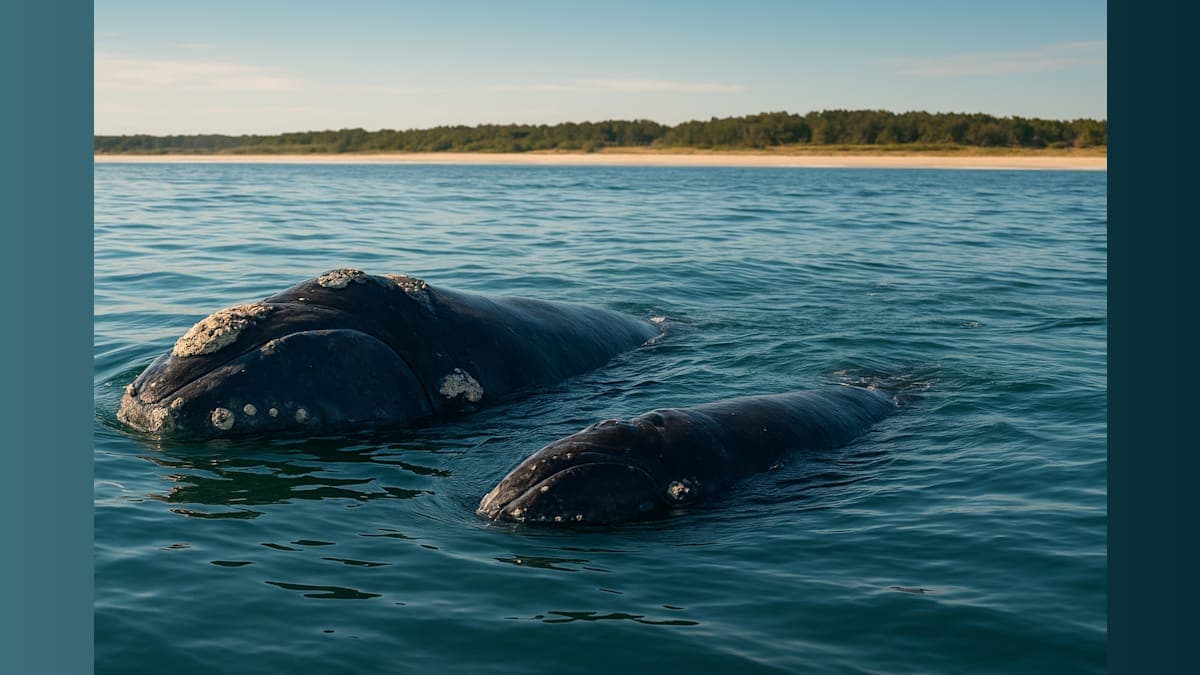
Conservation efforts for the critically endangered North Atlantic right whale have yielded the most encouraging results in nearly two decades, with 23 calves documented during the 2026 calving season along the southeast coastline of the United States. This represents the highest number of births recorded since 2009, offering renewed hope for the species' long-term survival.
The significance of this calving season extends beyond the raw numbers. Of the 23 mother-calf pairs identified, 20 involved returning mothers, and notably, 13 of these mothers last gave birth during the 2021 or 2022 seasons. This shorter interval between births marks a critical shift toward healthier reproductive patterns for the species.
Marine biologists have observed that North Atlantic right whales typically experience calving intervals of three to four years under healthy conditions. However, in recent years, that interval had stretched to seven to ten years, reflecting the stress placed on the population by environmental factors, vessel strikes, and fishing gear entanglements. The return to shorter intervals suggests improving conditions for the species.
Since 2009, the average number of right whale calves born annually has hovered around 15, with some years producing seven or fewer. The dramatic increase to 23 calves this season represents a substantial improvement and could accelerate population recovery for these massive marine mammals, which rank among the largest whale species in the world.
The 2026 season also saw increased whale activity overall, with 500 sightings of 129 whales migrating southward, representing a 29 percent increase compared to the previous calving season. Many of these sightings came from citizen observers aboard civilian vessels, contributing valuable data to researchers tracking the population.
The National Oceanic and Atmospheric Administration encourages the public to report whale sightings safely and responsibly. According to the NOAA, these public reports complement data collected during aerial and vessel surveys, contributing to updated population estimates and calving season assessments.
The past three years have marked a turning point for North Atlantic right whale conservation, with record numbers of sightings, unusual migration patterns, and an increasing overall population. Decades of dedicated conservation work appear to be yielding measurable results, though the species remains critically endangered with continued threats from maritime traffic and commercial fishing operations.
The normalization of breeding and birthing patterns observed this season provides marine conservationists with cautious optimism. While significant challenges remain, the 2026 calving season demonstrates that sustained conservation efforts can produce tangible improvements in the recovery trajectory of even the most endangered marine species.