
What gardeners once dismissed as weeds now represents one of the fastest-growing segments of the American horticulture industry. Native plant nurseries across the nation report unprecedented demand as homeowners fundamentally reconsider their relationship with the land they steward.
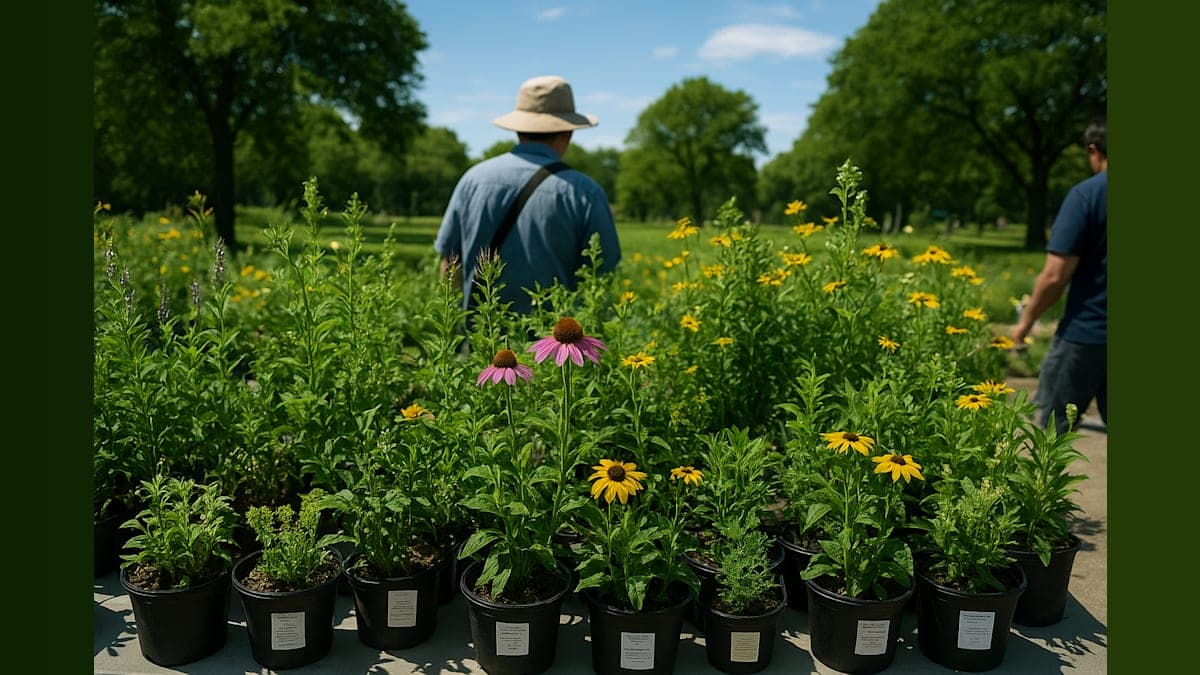
The transformation is perhaps most visible at Chicago's Kilbourn Park, where the annual plant sale drew over 2,300 attendees this year — double the typical turnout. Native species accounted for nearly one in five plants sold, marking a dramatic departure from conventional landscaping preferences that have dominated American yards for generations.
Neil Diboll, who operates a Wisconsin native plant nursery, has witnessed this evolution firsthand over more than four decades. His sales figures tell a remarkable story of changing attitudes: annual plant sales have surged from thirteen thousand to hundreds of thousands. "I've watched this for 44 years, from almost zero to now," Diboll observes, chronicling a shift that reflects deeper changes in environmental consciousness and land management philosophy.
The appeal of native plants extends beyond aesthetics or environmental sentiment. These species offer tangible, practical advantages that resonate with homeowners facing contemporary challenges. Native plants typically develop extensive root systems that penetrate deep into soil, creating natural infrastructure that mitigates flooding — an increasingly urgent concern as extreme weather events become more frequent. These deep roots also reduce the need for irrigation, offering water conservation benefits in regions facing drought conditions.
The ecological benefits prove equally compelling. Native plant landscapes provide critical habitat for pollinators, including Monarch butterflies, whose populations have experienced alarming declines in recent decades. Unlike ornamental species imported from other continents, native plants have co-evolved with local insect populations over millennia, creating interdependent relationships that support biodiversity.
Perhaps most appealing to time-pressed homeowners, native plants thrive without the constant intervention that traditional lawns and exotic ornamentals demand. Once established, these species require minimal fertilization, pesticide application, or supplemental watering — reducing both maintenance costs and environmental impact.
One volunteer at the Kilbourn Park sale articulated the philosophical shift underlying this horticultural revolution: "We're not fighting against the climate here. We're working with it." This perspective represents a fundamental departure from the conquest mentality that has historically characterized American landscaping, where homeowners imposed their aesthetic preferences regardless of ecological context or climatic reality.
The native plant movement suggests a maturing relationship between Americans and their environment — one characterized by partnership rather than domination. As climate pressures intensify and ecological awareness deepens, the plants once dismissed as weeds may represent not a retreat from cultivation, but rather its most sophisticated expression: landscapes that sustain both human communities and the natural systems upon which all life depends.
The doubling of attendance at plant sales and the multiplication of nursery revenues indicate this is no passing trend. Instead, it appears to be a quiet revolution — one garden at a time, one native plant at a time — in how Americans conceive of and care for the land entrusted to them.