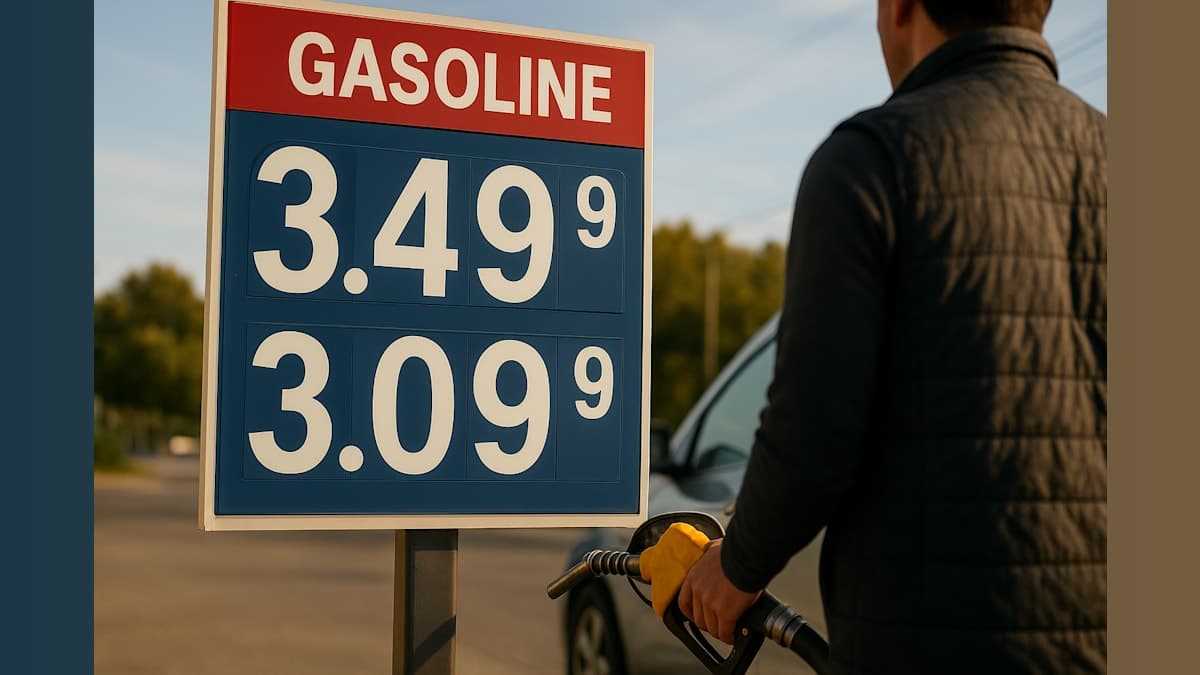
Our community is experiencing a sharp spike in gas prices as international conflicts continue to drive up costs at the pump. As of March 11, drivers in New Jersey are paying an average of $3.49 per gallon, marking a dramatic 40-cent increase from just one week earlier.
The rapid price surge follows the Iran strikes and ongoing uncertainty in the region. A week ago, our neighbors were filling up at $3.09 per gallon. Go back a month before the strikes began, and prices were sitting comfortably below $3 at an average of $2.92.
While these increases are hitting wallets hard, there's a silver lining: we're still far from the state record. New Jersey's highest recorded average gas price remains $5.06 per gallon, set on June 13, 2022, during the post-pandemic recovery period combined with uncertainty surrounding Russia's invasion of Ukraine.
What South Jersey Counties Are Paying
Gas prices vary slightly across our region. Here's what residents in each South Jersey county were paying on March 11:
Salem County — $3.43 (lowest in the region)
Cumberland County — $3.47
Gloucester County — $3.47
Atlantic County — $3.48
Camden County — $3.50
Burlington County — $3.50
Cape May County — $3.56 (highest in the region)
New Jersey's average remains below the national average of $3.58, which has climbed approximately 50 cents from a week ago and 43 cents from a year ago, according to the U.S. Energy Information Administration.
Understanding What You're Paying For
Every gallon of gas you pump breaks down into four main components. As of November 2025, the federal Energy Information Administration reported that crude oil makes up the largest portion at 47% of the cost. Refining accounts for 16%, while distribution and marketing represents 20%. Taxes make up the remaining 17%.
The current price volatility stems primarily from that crude oil component, which fluctuates based on global supply, demand, and geopolitical events. As long as uncertainty persists around the ongoing conflict, experts expect these sporadic price increases to continue affecting our community's daily commutes and household budgets.
For residents looking to save, shopping around between counties could yield modest savings, with a potential 13-cent difference between the cheapest and most expensive areas in South Jersey.