A French municipality has emerged as a model for urban tree conservation, demonstrating how cities can systematically protect and expand their green canopy through policy innovation and community engagement.
The city of Sceaux maintains more than 65,000 trees distributed across parks, green spaces, and private properties. Among these is a towering 240-year-old purple beech tree, one of 143 specimens designated as 'Remarkable Trees' under municipal protection. This extensive urban forest represents decades of deliberate cultivation and preservation efforts that continue to evolve in response to contemporary environmental challenges.
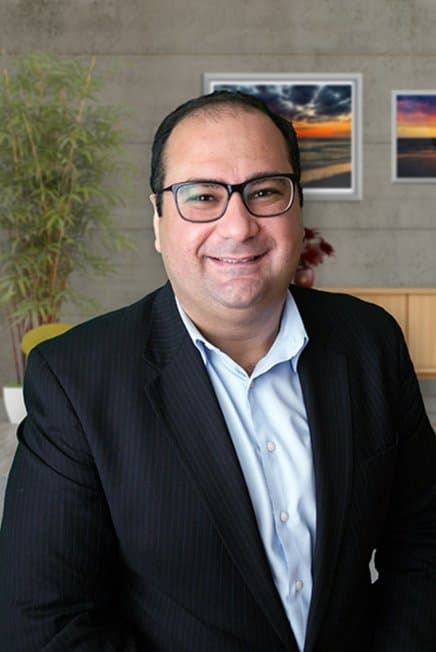
Mayor Philippe Laurent articulates the philosophy underlying the city's approach to tree stewardship. Protecting this plant heritage "is something that builds itself over time, it requires both individual and collective action," he explains. This perspective has shaped comprehensive municipal policies designed to address multiple threats facing urban trees, including stress from pollution, diseases, reduced rainfall, and extreme weather events.
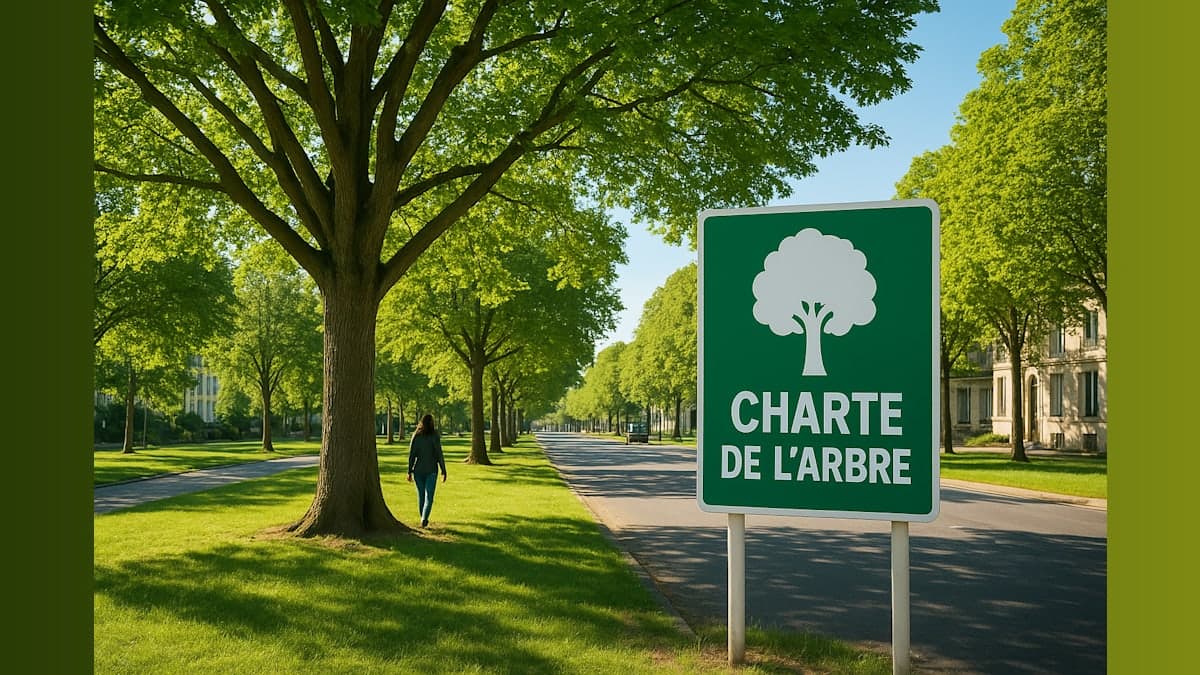
The cornerstone of Sceaux's preservation strategy is its Tree Charter, a formal framework establishing guidelines and protections for the city's arboreal assets. Under this charter, the municipality now plants only species adapted to local soil and climate conditions, ensuring long-term viability and reducing maintenance demands. This science-based approach to species selection represents a shift toward sustainable urban forestry practices that account for regional environmental factors.
Community education forms another pillar of the initiative. The city conducts workshops and organizes regular guided walks for residents and schoolchildren, fostering environmental awareness and building public support for tree conservation. These educational programs help residents understand the ecological and economic value of urban forests while encouraging stewardship behaviors.
Financial incentives complement regulatory measures. Residents can receive a subsidy of up to €200 to plant trees on their properties, democratizing participation in urban greening efforts. The city also works with major landowners to encourage tree protection on private properties, extending conservation efforts beyond public spaces.
Construction activities, which often threaten existing trees, are subject to specific rules regarding trees damaged or felled during development work. These regulations ensure that urban growth does not occur at the expense of established vegetation.
The city's tree team employs innovative techniques to maintain tree health. Wheelchair-friendly grills protect tree roots while ensuring accessibility, and nutrient supplements are injected into soil around ailing trees to support recovery and growth. These specialized interventions demonstrate the municipality's commitment to preserving individual specimens through active care.
Mayor Laurent frames the investment in clear terms: "We see trees as a long-term investment. They boost biodiversity, they contribute to urban resilience, they help us to relax." This multifaceted value proposition encompasses ecological, infrastructural, and public health benefits.
The economic case for urban forestry extends beyond Sceaux. Research on urban forests demonstrates substantial returns on investment. Lisbon, for example, earns $4.48 for each $1 invested in urban forestry projects, illustrating the multiplier effect of strategic tree planting and maintenance programs.
The Sceaux model offers a blueprint for municipalities seeking to enhance their urban canopy. By combining regulatory frameworks, financial incentives, community engagement, and specialized maintenance, the city has created a comprehensive system for tree preservation that addresses both immediate threats and long-term sustainability. As cities worldwide confront climate change and biodiversity loss, such integrated approaches to urban forestry may prove increasingly essential.