A Canadian fisherman who once contributed to ocean pollution has transformed his career into a mission to clean the very waters he once littered, removing tons of abandoned fishing equipment and debris from harbor floors across the country.
Sean Bath, who previously sought the coveted spiny sea urchin during his fishing career, now operates the Clean Harbors Initiative, a nonprofit organization dedicated to removing underwater trash through sponsored diving expeditions. His transformation from part of the problem to part of the solution represents a remarkable shift in environmental consciousness.
During his fishing days, Bath frequently encountered car tires and other debris on the seabed, remnants that had come loose from ship bows and wharf sides. However, he failed to connect his own fishing practices to the broader problem of ocean pollution. That perspective changed dramatically when he recognized the environmental damage caused by his industry.
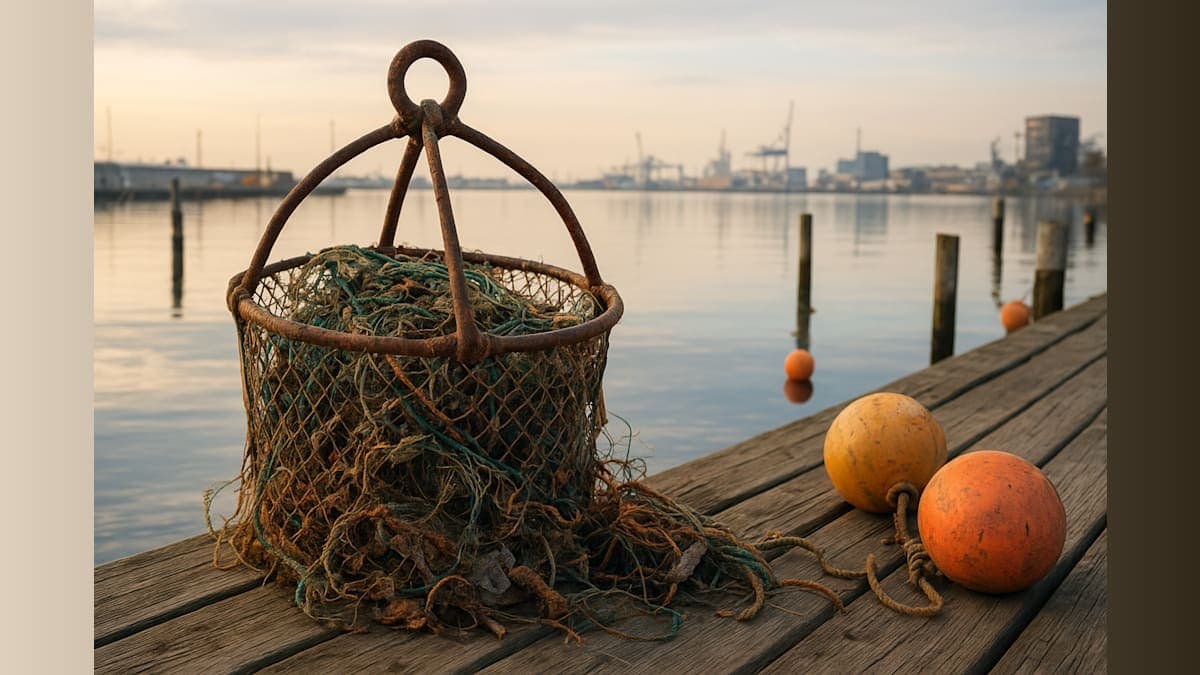
Bath launched his cleanup initiative in 2018, beginning with an ambitious project in Bay Roberts harbor. His team extracted 15,000 pounds of trash from the harbor floor, drawing public attention to the dangers of what marine conservationists call "ghost gear"—lost or abandoned fishing equipment that contributes millions of pounds to ocean plastic pollution annually.
The environmental impact of ghost gear extends beyond simple pollution. Abandoned nets, lines, and traps ensnare millions of sea creatures each year, causing deaths through entanglement and injury. This collateral damage represents one of the fishing industry's most persistent environmental challenges.
Financing the Clean Harbors Initiative proved difficult in its early years. The operation's fortunes changed after Bath agreed to participate in a documentary project. A film crew followed him for one year to produce Hell or Clean Water, which premiered at Toronto's Hot Docs festival in spring 2021.
The documentary's release catalyzed a significant increase in personal donations, enabling Bath to expand operations substantially. He hired additional divers and acquired another boat, while alleviating the constant threat of bankruptcy that had plagued the organization.
The initiative has recently expanded beyond underwater diving operations to include beach cleaning, a development Bath views as both practical and sustainable. The shift came after poor visibility conditions at Long Harbor made diving unsafe.
"We went to Long Harbor with the intention of diving, but the visibility was poor and it just wasn't safe," Bath told CBC News. "So we decided to expand into cleaning the beaches at St. Croix. Each day we were out there, we were able to collect about three boatloads full of plastics. It's a sustainable way to do cleanups because it doesn't require any fuel."
The beach cleaning operations at St. Croix proved remarkably productive, with the team collecting approximately three boatloads of plastic debris daily. This approach offers significant advantages over diving operations, requiring no fuel expenditure and presenting fewer safety risks to workers.
Bath's journey from wasteful fisherman to environmental advocate illustrates the potential for individual transformation in addressing ecological challenges. His work continues to raise awareness about the fishing industry's environmental footprint while providing a tangible solution to ocean pollution in Canadian waters.