
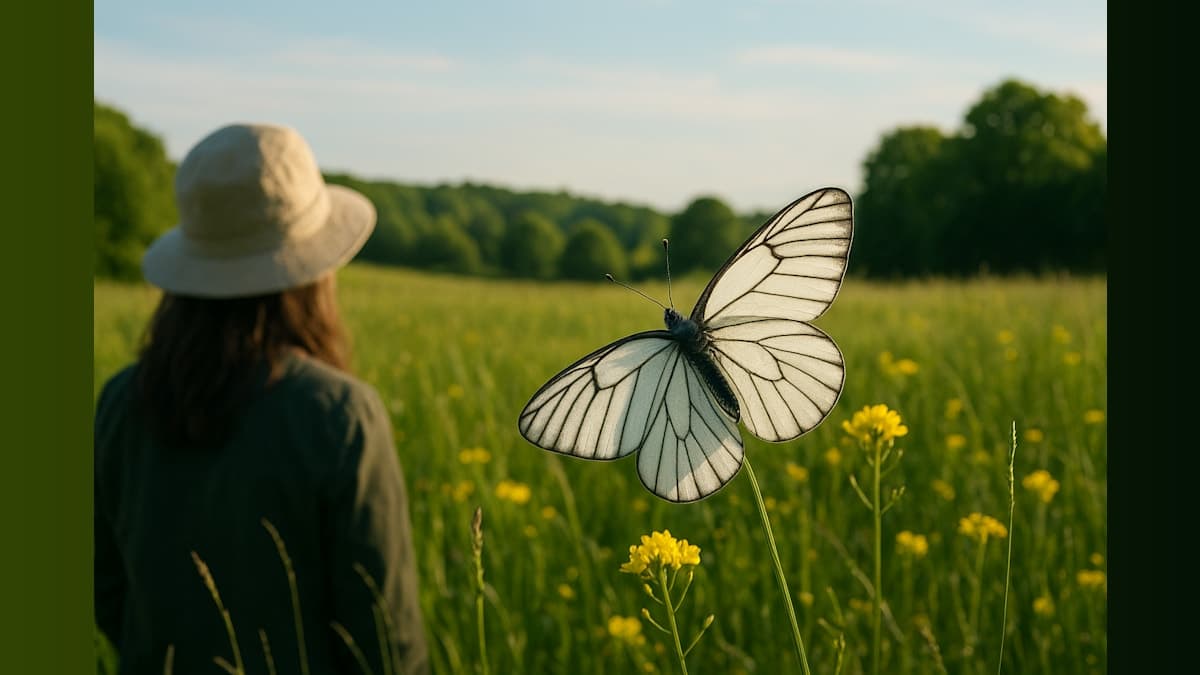
A butterfly species that vanished from British skies more than a century ago is making a carefully planned return to the countryside, marking a significant milestone in the nation's conservation efforts.
The black-veined white butterfly, which disappeared from the United Kingdom in the early 20th century due to land-use changes and habitat loss, is being reintroduced through a project organized by the Knepp Wildland Foundation. The nonprofit organization operates at Knepp Estate in West Sussex, a property that has become Britain's most celebrated rewilding success story.
The estate itself represents a remarkable transformation. What was once a struggling ancestral farm has been converted into one of the most biodiverse locations in England. The property now features a mosaic of newly-naturalized wooded grasslands that support large concentrations of endangered bird species, including nightingales, as well as rare insects such as the purple emperor butterfly.
The reintroduction effort required meticulous planning and international cooperation. Larvae were transported from continental Europe, where the species remains widespread, in specialized containers designed to allow the insects to overwinter at the estate and gradually acclimatize to British conditions. The project received support from Ambios Ltd, Butterfly Conservation, The Zoological Society of London, and Natural England.
Initial results appear promising. The butterflies are developing as expected on hawthorn and blackthorn shrubs, which constitute both their primary food source and preferred habitat. This success is particularly noteworthy given that previous attempts to reintroduce this species have failed, according to Bird Guides UK.
Before importing the larvae, the Knepp Wildland Trust conducted extensive climate and environmental studies to determine whether conditions at the estate and across Britain would support these Lepidopterans after their prolonged absence. The research assessed whether the British environment had changed sufficiently to allow the species to re-establish sustainable populations.
The project represents more than just the return of a single species. It demonstrates how strategic habitat restoration can reverse biodiversity losses that occurred during periods of intensive agricultural development. The black-veined white butterfly's extinction in Britain coincided with widespread changes in land management practices that eliminated the scrubland and hedgerow habitats essential to its survival.
If the current phase proves successful, future operations will focus on connecting the Knepp population to ancestral hotspots in Devon and along the south coast. This expansion strategy aims to establish multiple, interconnected populations that can support long-term genetic diversity and resilience.
The reintroduction effort underscores Britain's commitment to butterfly conservation, a field in which the nation has demonstrated particular dedication. The success at Knepp Estate may provide a template for similar restoration projects targeting other locally extinct species, offering hope that carefully managed rewilding initiatives can reverse historical biodiversity losses.