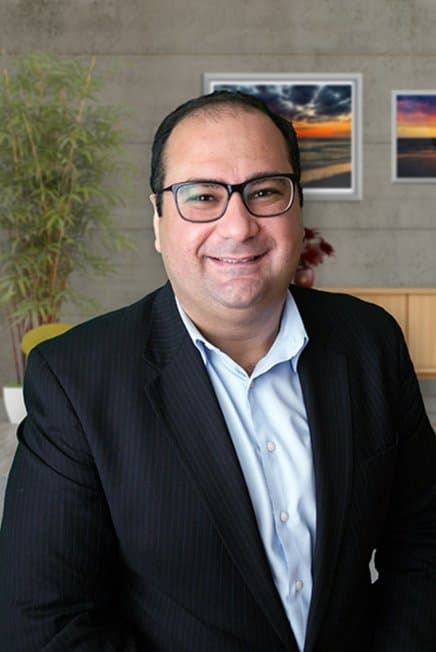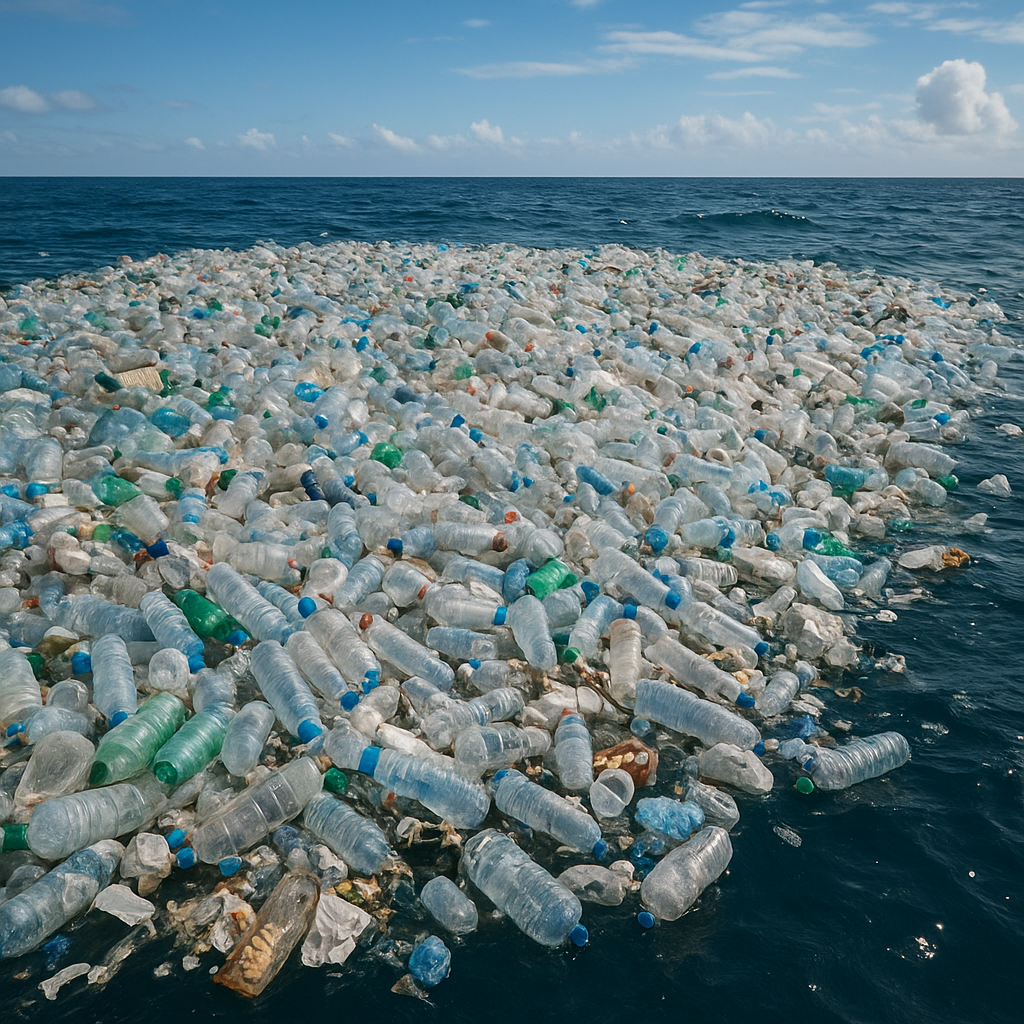
A Dutch inventor has unveiled an ambitious plan to dramatically reduce ocean plastic pollution within the next 15 years, offering a potential solution to one of the planet's most pressing environmental crises. Boyan Slat, founder of The Ocean Cleanup, believes his organization can prevent 90% of floating plastic from reaching the sea by 2040 for less than $1 billion.
The nonprofit's strategy centers on intercepting plastic waste at its source: rivers. Rather than attempting to clean the vast expanses of ocean already contaminated with debris, The Ocean Cleanup has developed technology to capture plastic before it flows downstream into marine environments. The systems employ floating barriers that trap debris, while autonomous interceptor boats equipped with conveyor belts collect the waste for recycling or proper disposal.
These river-based interventions are already operational across Indonesia, India, Colombia, the Philippines, and the Caribbean. According to Slat, now 31 years old, targeting just 30 cities could prevent approximately one-third of the plastic currently entering the world's oceans. The organization has identified specific pollution hotspots where intervention would yield the greatest impact.
The scale of the problem becomes clear when examining individual waterways. Slat noted that the Motagua river in Guatemala alone sends more plastic into the sea than all 38 member countries of the Organisation for Economic Co-operation and Development combined. "That one river is about 2% of global plastic emissions," he stated, illustrating how concentrated pollution sources can be addressed with targeted interventions.
The Ocean Cleanup has established a phased timeline for its ambitious goals. By 2030, the organization plans to tackle the most critical pollution hotspots, a program estimated to cost approximately $350 million. The longer-term objective extends to 2040, when Slat aims to stop 90% of floating plastic pollution from reaching the sea while simultaneously clearing existing accumulation zones such as the Great Pacific Garbage Patch.
Slat abandoned his aerospace engineering studies more than a decade ago to pursue this vision. Since the organization's founding, The Ocean Cleanup reports it has removed nearly 50 million kilograms of plastic waste from rivers and oceans worldwide. This tangible progress demonstrates the viability of the technology and the scalability of the approach.
The young inventor frames his work as a necessary antidote to environmental pessimism. "The world needs a success story. There is a lot of pessimism, a lot of fatalism, especially among people of my generation," Slat told the Times. "But if we can say, 'There was a time when the oceans were filled with plastic, that two thirds of the planet was polluted, and then we solved it' – I think that will be a case of action inspiring action."
The initiative arrives at a critical moment when climate anxiety affects populations worldwide, particularly younger generations confronting the environmental consequences of industrial activity. By demonstrating that large-scale environmental problems can be addressed through innovative technology and strategic intervention, The Ocean Cleanup offers a model for tackling seemingly insurmountable challenges.
The relatively modest financial requirement of less than $1 billion to achieve the 2040 goal suggests that ocean plastic pollution is not merely a technical challenge but also a matter of political will and resource allocation. For context, this amount represents a fraction of what governments and corporations routinely spend on other initiatives, raising questions about priorities in addressing global environmental threats.
As The Ocean Cleanup expands its operations and refines its technology, the organization's progress will serve as a test case for whether human ingenuity can reverse decades of environmental damage. Success would not only clean the oceans but also provide a blueprint for addressing other complex environmental challenges through focused, technology-driven interventions at pollution sources rather than attempting to manage consequences after the fact.

About the Author
South Jersey NewsBeat
South Jersey NewsBeat is a contributor to LocalBeat, covering local news and community stories.