
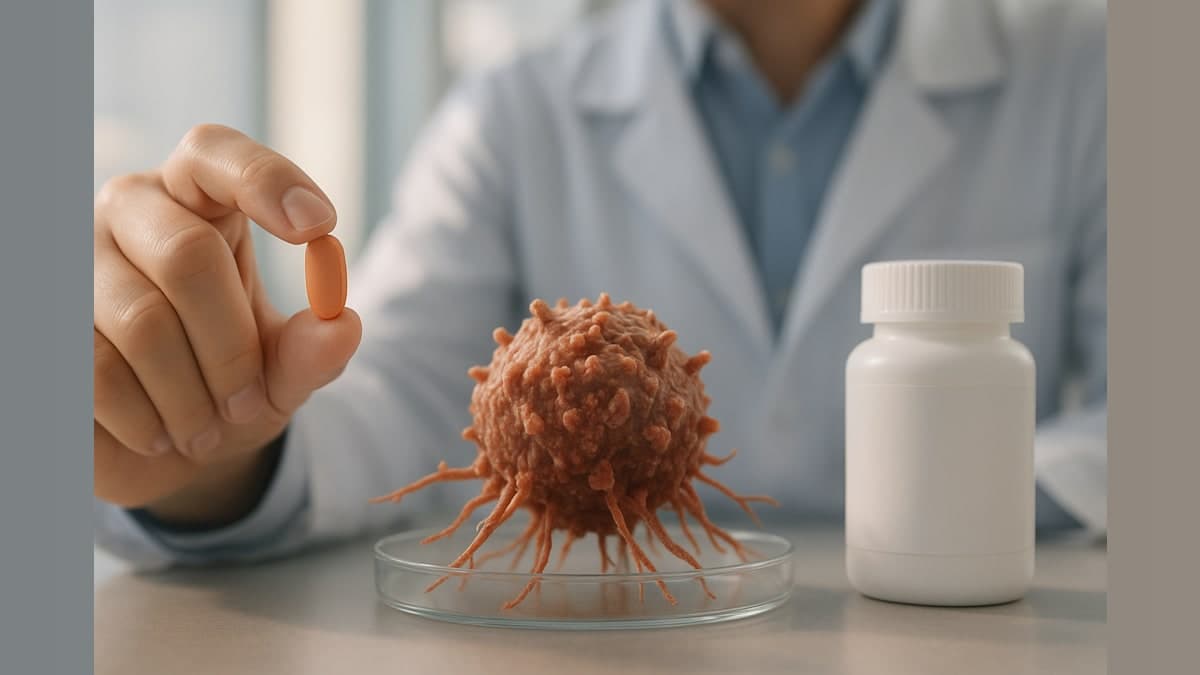
A medication commonly prescribed for asthma and allergies may offer new hope for patients battling aggressive cancers that resist conventional immunotherapy, according to groundbreaking research from Northwestern University in Illinois.
The study, published in the journal Nature Cancer, reveals how tumors manipulate common white blood cells to evade the immune system's defenses. More significantly, researchers demonstrated that an existing drug—montelukast, marketed under the brand name Singulair—can counteract this process and restore the body's natural cancer-fighting capabilities.
The discovery centers on a molecule called CysLTR1, long recognized for its role in asthma and inflammation. For decades, physicians have prescribed drugs that block this molecule to manage respiratory conditions. The Northwestern research team has now uncovered a previously unknown function: many cancers exploit CysLTR1 to resist treatment by manipulating the immune system.
According to the research, tumors increase production of neutrophils, a type of white blood cell, which then suppress the immune response that would normally attack cancer cells. The CysLTR1 molecule acts as a molecular switch controlling this process.
"When we turned off this switch, either genetically or with existing drugs, we not only slowed tumor growth, but also helped the immune system recover its ability to fight the cancer," said study senior author Professor Bin Zhang from Northwestern's Feinberg School of Medicine.
The research methodology combined multiple approaches to validate the findings. Professor Zhang and his colleagues conducted experiments using mouse models, human immune cells, and human tumor samples, while also analyzing large patient cancer datasets. The mouse studies encompassed several cancer types, including triple-negative breast cancer, melanoma, ovarian cancer, colon cancer, and prostate cancer.
Researchers tested two approaches: genetically removing CysLTR1 or blocking it pharmacologically with drugs such as montelukast. Both methods produced encouraging results. In several mouse models, blocking the pathway slowed tumor growth, improved survival rates, and restored responsiveness to cancer-killing immunotherapy. Notably, the intervention proved effective even in tumors that had already stopped responding to treatment.
The human immune cell analysis yielded equally promising results. Blocking CysLTR1 prevented the formation of immune-suppressing neutrophils. More remarkably, the treatment did not simply eliminate these problematic white blood cells but rather reprogrammed them into cells that actively support immune attacks against tumors.
"Importantly, instead of simply removing these harmful white blood cells, we were able to reprogram them into cells that support immune attack," Professor Zhang explained. "That means we're not just targeting the cancer, we're re-training one type of abundant immune cells in the body to fight the tumor again."
Analysis of human tumor samples and public cancer datasets provided additional validation. The scientists discovered that patients with higher CysLTR1 activity consistently demonstrated worse survival outcomes and poorer responses to immunotherapy across multiple cancer types. This correlation strengthens the case for targeting this molecular pathway in cancer treatment.
The most significant advantage of this discovery lies in its potential for rapid clinical application. Because drugs that block CysLTR1, such as montelukast, have already received approval from the United States Food and Drug Administration for treating asthma, the safety profile is well-established. This regulatory status could dramatically accelerate the timeline for testing these medications in cancer patients.
"We may be able to quickly and safely test it in cancer patients to improve immunotherapy, especially in aggressive cancers, like triple-negative breast cancer, where new options are urgently needed," Professor Zhang stated.
Triple-negative breast cancer represents one of the most challenging malignancies to treat, as it lacks the receptors targeted by many standard therapies and often proves resistant to immunotherapy. The Northwestern findings offer particular hope for patients facing this diagnosis.
Professor Zhang outlined the research team's next steps: confirming the mechanism in human patients, identifying which patient populations will benefit most from the treatment, optimizing drug administration protocols—particularly in combination with immunotherapy—and launching carefully designed clinical trials.
The study represents a broader trend in oncology research toward repurposing existing medications for cancer treatment. This approach offers multiple advantages: established safety profiles, known side effects, existing manufacturing infrastructure, and the potential for faster regulatory approval compared to developing entirely new drugs.
For patients currently battling treatment-resistant cancers, this research provides a foundation for cautious optimism. While clinical trials in humans remain necessary to confirm the findings and establish proper dosing protocols, the combination of promising preclinical results and an already-approved medication suggests that new treatment options may become available sooner than typical drug development timelines would allow.