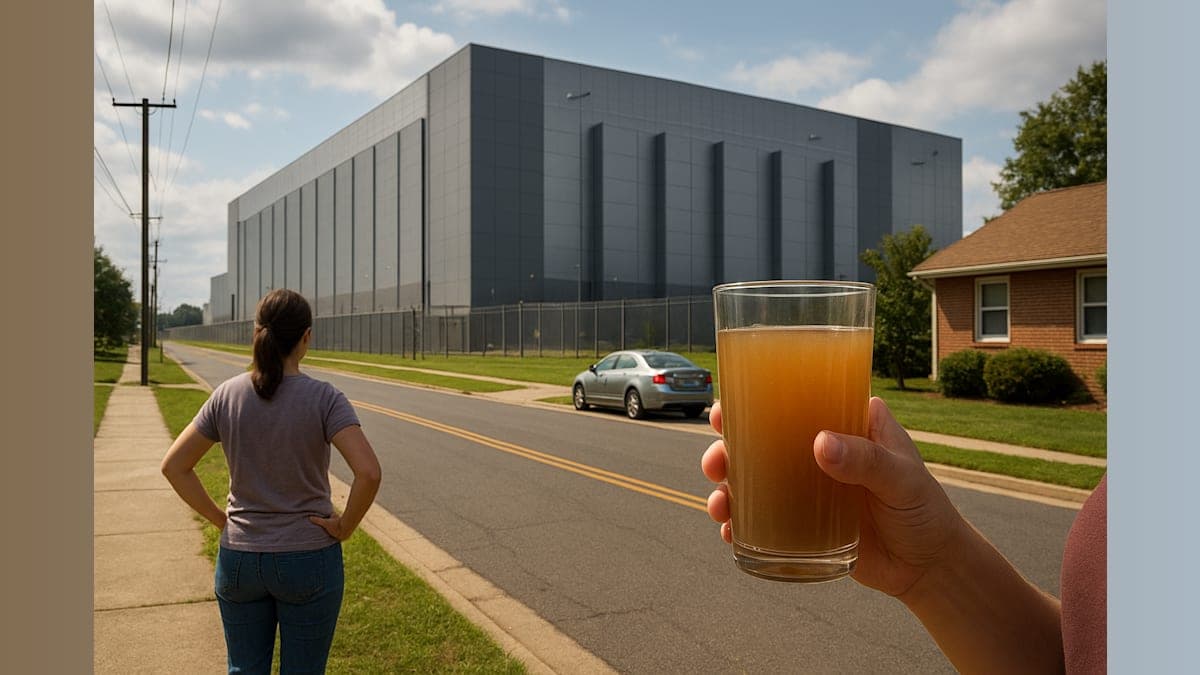
Our neighbors in Vineland are facing a troubling situation as a massive new AI data center begins operations, bringing with it complaints of round-the-clock noise, water quality problems, and mounting concerns about the facility's impact on everyday life in South Jersey.
The 2.6 million-square-foot data center, operated by DataOne and tied to a multibillion-dollar AI arrangement involving Microsoft, is coming online in stages. But residents say they didn't fully understand the scale of what was being built until construction was already underway — and now they're dealing with consequences that affect basic household tasks.
Brown Water and Ruined Laundry
One of the most striking complaints came from a resident who reported that an entire load of white laundry came out stained brown due to water issues following construction of the data center. The account, shared widely on social media last Friday, has resonated with other Cumberland County residents who say they're experiencing similar problems with their tap water.
Beyond water quality, neighbors describe a constant industrial hum that runs 24 hours a day, prompting noise complaints and raising questions about quality of life in what was once a quieter community. According to viral testimony, some residents in their 80s have been forced to move due to the disruption.
Power Demands and Environmental Concerns
The Vineland facility could eventually reach 300 megawatts of power capacity and would rely primarily on on-site natural gas engines. For families already struggling with high utility bills, the arrival of such a power-hungry operation has intensified worries about rising electric and gas costs, along with increased local air pollution.
Environmental advocates have raised additional red flags about the facility's location above the Kirkwood-Cohansey aquifer, which supplies drinking water to approximately 1 million people across South Jersey. The placement of such a large industrial operation near this critical water source has many asking whether the risks were properly evaluated.
Charles Antoine Beyney, CEO of DataOne, stated that the center would require millions of gallons of city water at startup before producing water through condensation captured from exhaust. However, skeptics argue this explanation leaves major questions unanswered — particularly about what happens during drought conditions or periods of extreme heat.
Questions About Transparency
Adding to residents' frustration are concerns about the approval process itself. Some local groups say many neighbors were not notified before the project received approval because the property sits in an Urban Enterprise Zone. This has intensified criticism not only over noise and environmental impact, but also over transparency and tax incentives that may have smoothed the way for the facility without adequate community input.
The situation in Vineland reflects a growing tension playing out across the country: AI data centers require enormous amounts of electricity and water, and communities are increasingly being asked to shoulder the trade-offs while tech companies reap the benefits. For our neighbors dealing with stained laundry, constant noise, and worries about their water supply, those trade-offs feel deeply personal.
As more data centers are proposed throughout New Jersey and beyond, the question becomes clearer: who truly benefits from the AI boom, and who is left to bear the costs?