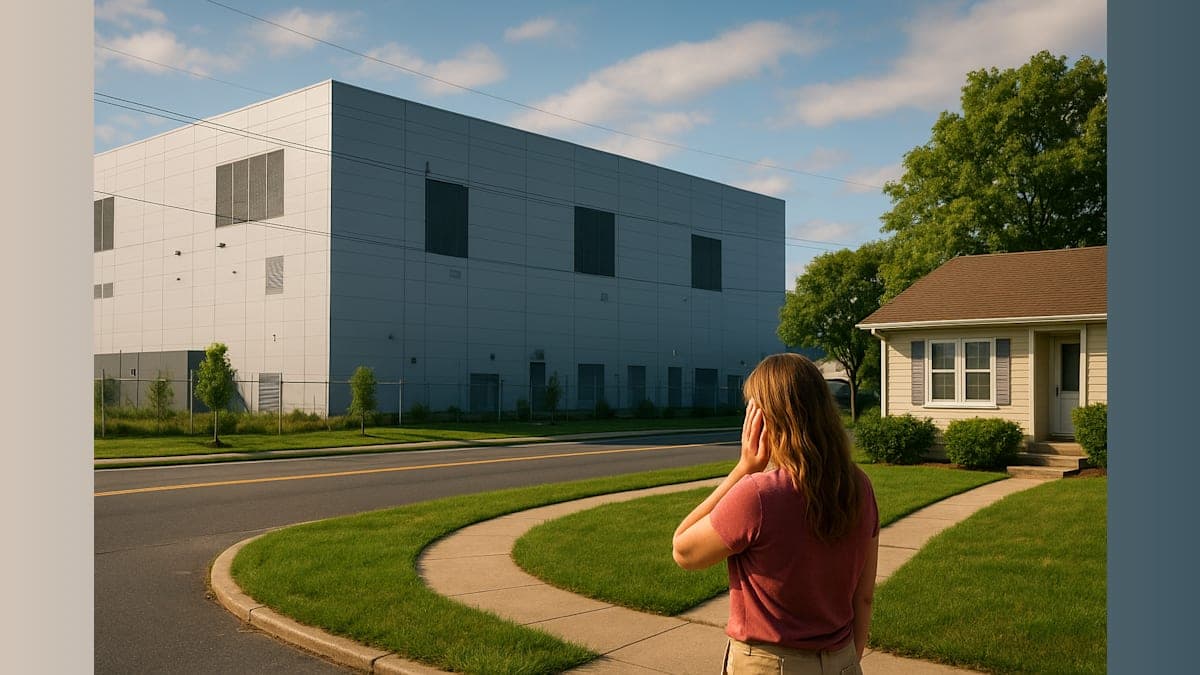
The promise of technological progress has collided with quality of life concerns in Vineland, where neighbors of an AI data center say relentless noise has robbed them of the simple pleasure of sitting in their own backyards.
Two residents have filed a lawsuit against the facility operated by DataOne USA LLC at Lincoln and Sheridan avenues, claiming the industrial humming emanating from the still-under-construction site has made their homes unbearable. While the legal complaint marks an escalation, the frustration extends well beyond the plaintiffs.
Tallis West, who has called his home off Pennsylvania Avenue in Vineland home for six years, isn't part of the lawsuit but knows the problem intimately. "Around midnight, there's a lot of loud humming noises," West explained. The sound cycles on and off throughout the day and night, creating an unpredictable soundtrack to daily life.
"Outside is not even enjoyable to sit outside because of the noise sometimes. So the neighbors are right because we can't enjoy being outside anymore," West said, capturing the sentiment that has driven some residents to seek legal recourse.
DataOne USA LLC acknowledged the lawsuit but declined to comment on the specifics, citing ongoing legal proceedings. The company did, however, emphasize its efforts to address community concerns. In a statement, DataOne said it has "already implemented a number of noise mitigation measures and continue to evaluate additional improvements on an ongoing basis as construction activities are completed."
The company added: "We remain committed to constructive dialogue and being a valuable and responsible member of the community for the long term."
The Vineland situation reflects a larger tension playing out across New Jersey, where more than 80 data centers now operate. These facilities, essential to powering our increasingly digital world, require massive amounts of energy and cooling infrastructure—often generating significant noise and environmental impacts in the process.
Opponents have organized protests across the Garden State, demanding greater accountability from an industry that has expanded rapidly with relatively little oversight. On Wednesday, May 27, 2026, Gov. Mikie Sherrill unveiled a comprehensive plan designed to address these concerns while ensuring data centers contribute fairly to the communities hosting them.
"Deals that will require data centers to address issues like noise, light and pollution. Deals to invest in surrounding towns' schools, housing, whatever those towns decide that they most need," Sherrill explained during the announcement.
The governor's four-pillar approach aims to fundamentally reshape how data centers operate in New Jersey. First, it establishes fair-share rules requiring these facilities to bring new clean energy online and contribute to grid infrastructure rather than simply drawing from existing resources. Second, it mandates transparency through reporting requirements on energy and water consumption.
The third pillar directly addresses situations like Vineland's: developing statewide standards for community benefits agreements and providing municipalities with resources to negotiate effectively. This would ensure data centers meaningfully address impacts like noise, light, and pollution while making local investments that benefit residents.
Finally, the plan emphasizes job quality, requiring data centers to leverage local trades and pay prevailing wages—ensuring economic benefits flow to working families in our communities.
For Tallis West and his neighbors in Vineland, the governor's announcement offers hope that future facilities won't repeat the mistakes of the past. But for those currently living with the midnight hum, the question remains whether existing operations will be held to the same standards—and whether they'll ever again enjoy the simple peace of their own backyards.