A presidential initiative to alter the appearance of a prominent federal building has ignited a preservation controversy, with experts cautioning that the proposed changes could inflict irreversible harm on a historic structure.
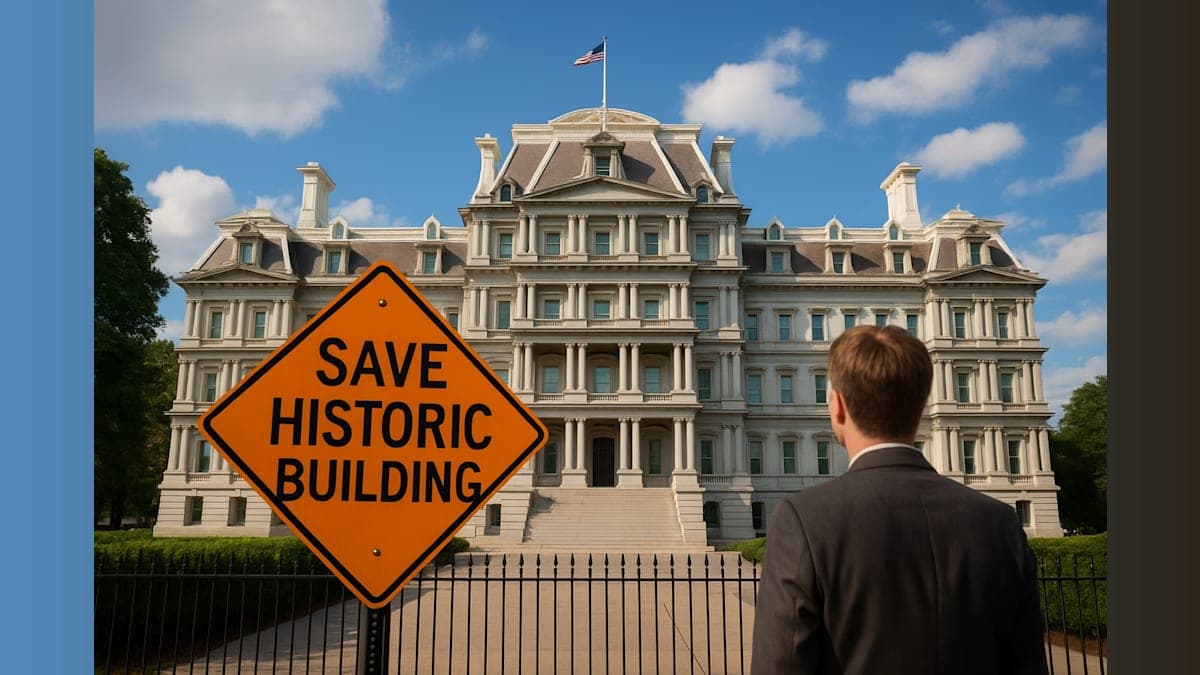
President Trump has announced plans to paint the Eisenhower Executive Office Building white, a proposal that has drawn immediate pushback from preservation specialists and architectural historians. The building, which stands adjacent to the White House, features distinctive granite construction that experts argue should remain unaltered.
Preservationists have raised alarms about the potential consequences of applying paint to the historic granite facade. Their warnings center on the possibility of permanent damage to the building's original materials, though the administration has not publicly addressed these concerns or modified its plans.
The Eisenhower Executive Office Building, formerly known as the Old Executive Office Building, represents a significant example of Second Empire architecture in the nation's capital. The structure has maintained its original granite exterior for more than a century, making it a landmark of both architectural and historical importance.
The debate highlights ongoing tensions between executive authority over federal properties and the principles of historic preservation. While presidents have traditionally exercised considerable discretion over the appearance and function of buildings under their jurisdiction, such changes typically undergo review processes designed to protect structures of historical significance.
The preservation community's opposition reflects broader concerns about maintaining the integrity of historic federal architecture. Experts in the field have emphasized that alterations to original building materials, particularly those involving permanent coatings or treatments, can compromise both the aesthetic character and structural longevity of historic structures.
As the controversy continues to develop, the outcome will likely set precedents for how historic federal buildings are treated under executive direction. The clash between presidential prerogative and preservation principles underscores the complex challenges of managing the nation's architectural heritage while accommodating the preferences of current leadership.