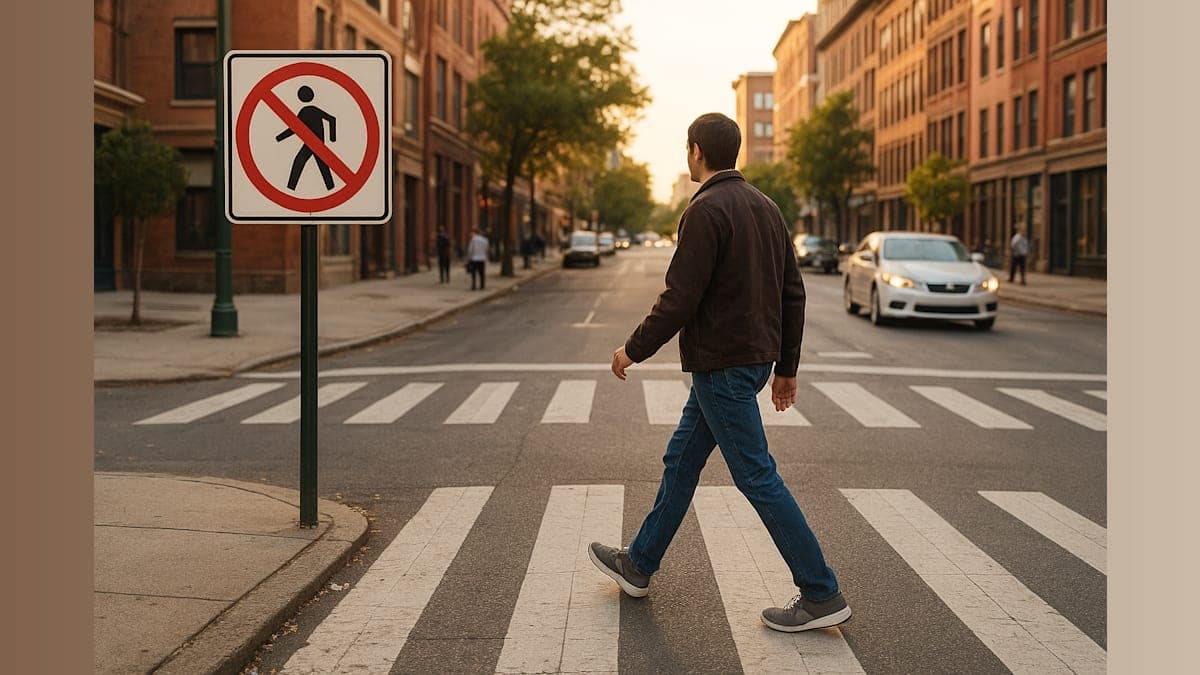
Crossing the street outside of designated crosswalks has become such a routine part of urban life that many pedestrians give little thought to the legal implications. Yet jaywalking remains illegal in numerous cities across the United States, a prohibition that carries with it a complex and often overlooked history.
Mackenzie Martin of KCUR has examined the origins and evolution of these pedestrian regulations, shedding light on how American streets transformed from shared public spaces into domains primarily governed by automobile traffic. The story of jaywalking laws reflects broader shifts in urban planning, transportation policy, and the balance of power between different street users.
Though commonly dismissed as a trivial offense, jaywalking regulations have significant implications for how cities function and who has priority in public spaces. The enforcement of these laws varies considerably across jurisdictions, with some municipalities actively ticketing pedestrians while others take a more lenient approach.
The historical context surrounding jaywalking legislation reveals important questions about urban design, pedestrian safety, and the rights of individuals to navigate public thoroughfares. As cities continue to grapple with issues of walkability, traffic congestion, and sustainable transportation, understanding the origins of jaywalking laws provides valuable perspective on contemporary debates about street usage and urban mobility.
The examination of these regulations also highlights how legal frameworks adapt to technological and social changes, particularly the rise of the automobile as the dominant mode of transportation in American cities during the twentieth century. What was once a shared space for pedestrians, streetcars, and various forms of traffic became increasingly regulated to prioritize motor vehicle movement.
For local communities considering pedestrian safety initiatives or reviewing their own jaywalking ordinances, this historical perspective offers important lessons about the relationship between law, urban infrastructure, and public behavior. The ongoing conversation about these regulations continues to shape how American cities balance competing interests in their public rights-of-way.