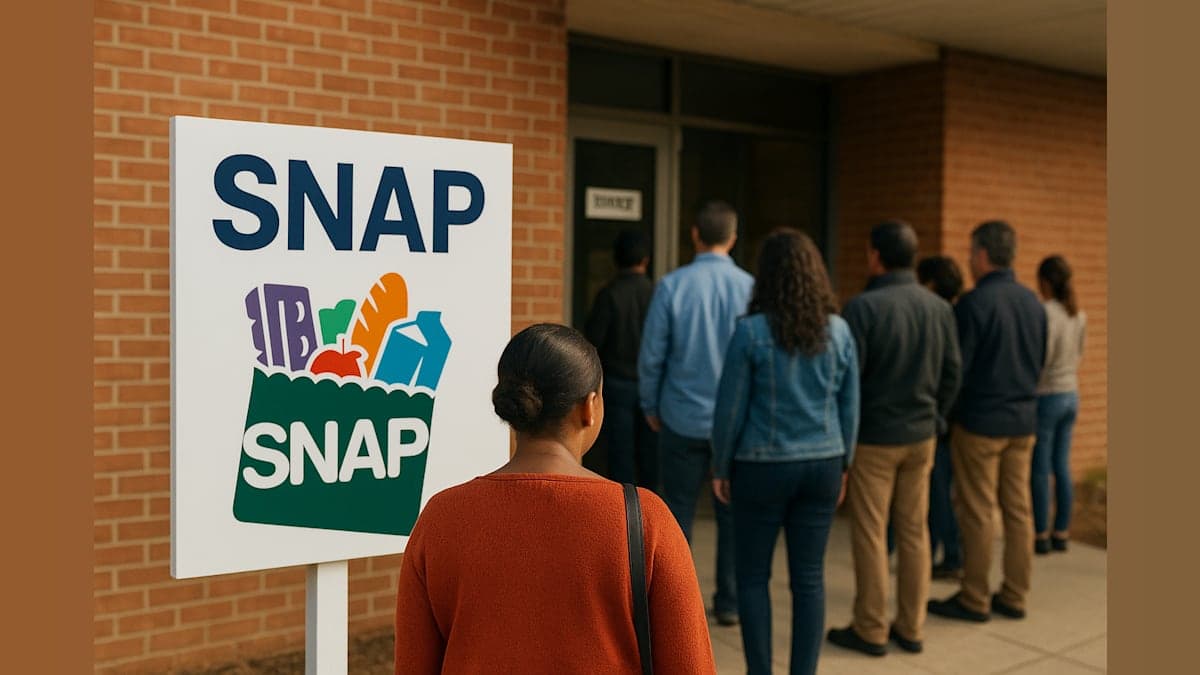
States across the country are implementing expanded work requirements and eligibility changes for recipients of the Supplemental Nutrition Assistance Program, commonly known as SNAP or food stamps. The modifications follow a 20% funding cut to the program under President Trump's One Big Beautiful Bill Act passed last year.
SNAP serves as the nation's largest anti-hunger program, providing assistance to the 1 in 8 U.S. residents who live at or just above the poverty line. The program's scope makes these changes particularly significant for millions of Americans who rely on the benefit to meet their nutritional needs.
Expanded Groups Facing Benefit Loss
The new requirements place several groups at risk of losing their benefits. Able-bodied recipients aged 55-64 now face work requirements that did not previously apply to this age bracket. Parents of children aged 14-17 are also newly subject to these mandates, representing a shift from prior eligibility standards.
Additional vulnerable populations affected by the changes include veterans, people experiencing homelessness, and young people who are aging out of foster care. These groups now confront the possibility of losing nutritional assistance at a time when many face significant economic challenges.
NPR Network Seeks Stories from Affected Individuals
The NPR Network is actively seeking accounts from individuals impacted by these changes. Reporters want to hear from those who have already lost SNAP benefits about what the loss means for their current situation and future plans. The network is also interested in hearing from those worried about potential benefit loss.
State employees and workers in food assistance programs are also being asked to share their perspectives on how these changes are unfolding in their communities. This outreach aims to provide a comprehensive picture of the policy's real-world impact across different regions and populations.
Those interested in sharing their experiences can fill out a form provided by NPR. The network has stated it will not use any submission in a story until obtaining consent to publish the specific details provided. Individuals can indicate whether they are open to being contacted by an NPR or member station producer for potential inclusion in future reporting.
As states continue to implement these requirements in the coming months, the full scope of the changes' impact on food security and household budgets will become clearer. The stories collected through this effort may help policymakers and the public better understand the human consequences of these policy shifts.