A social media fitness trend emphasizing unplugged outdoor activity has garnered endorsement from cardiovascular specialists who say the practice delivers measurable health benefits beyond conventional walking routines.
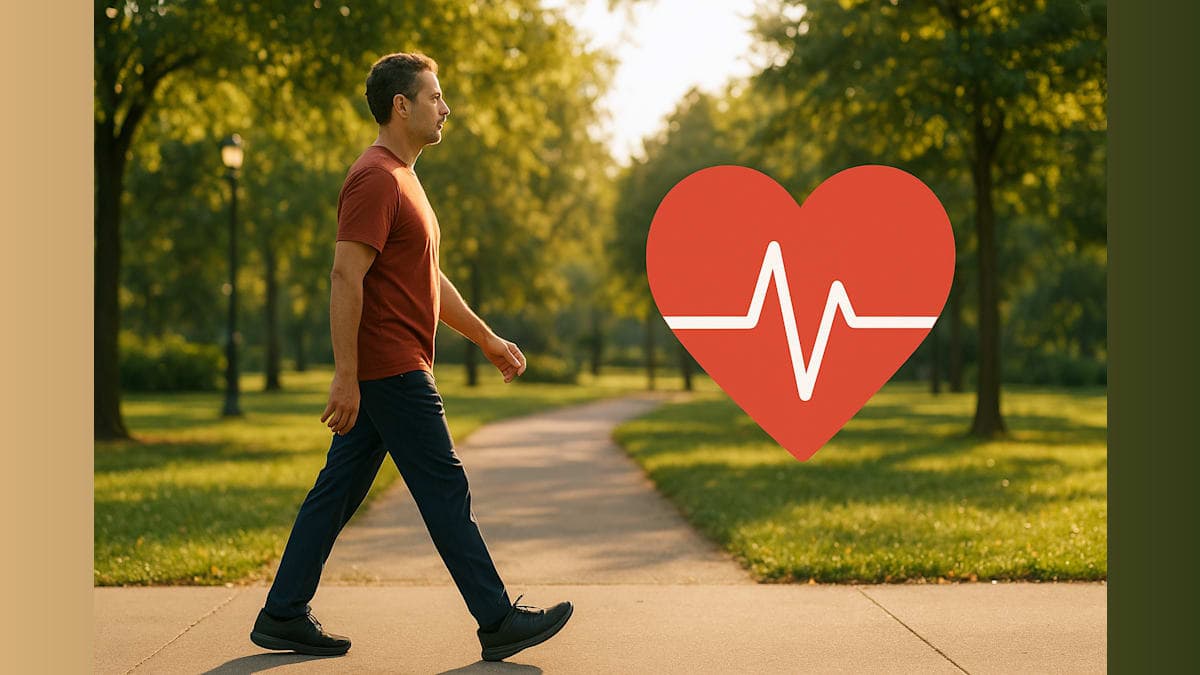
Silent walking, the practice of taking walks without music, podcasts, or digital devices, has gained widespread attention as practitioners report enhanced mental clarity and physical well-being. The approach, which content creator Mady Maio popularized in summer 2023 following advice from her nutritionist, represents a return to mindful movement that medical professionals say can significantly support heart health.
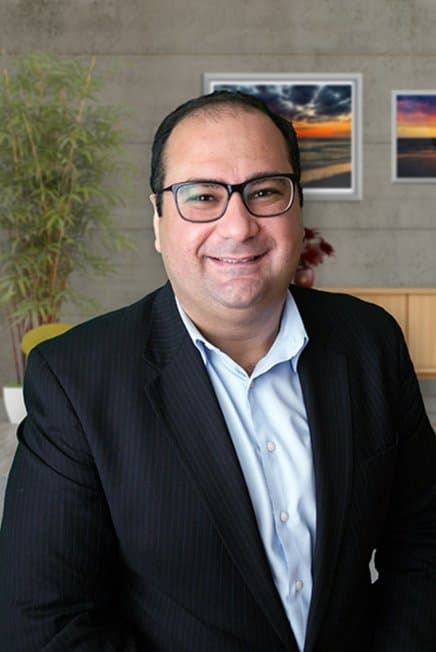
Dr. Mitchell Weinberg, chair of cardiology at Northwell's Staten Island University Hospital, explained that removing digital distractions during walks allows the nervous system to regulate itself more effectively. The practice can lower cortisol and adrenaline, stress hormones that place additional strain on cardiovascular function.
"Walking is one of the most effective ways to help the body manage stress," Weinberg stated. "When you remove digital distractions and simply walk in a quiet environment, it allows the nervous system to settle and can lower hormones like cortisol and adrenaline that place added strain on the heart."
The cardiovascular benefits extend beyond stress reduction. Walking improves circulation, lowers blood pressure, and helps prevent heart disease and stroke. Weinberg noted that the practice reduces both systolic and diastolic blood pressure readings, with the mindful approach potentially amplifying these positive effects.
While walking of any kind releases endorphins that boost mood and mental state, the silent variation may offer enhanced sustainability. Medical experts emphasize that consistency remains critical to building endurance, and practitioners report that silent walking feels restorative rather than obligatory, potentially increasing long-term adherence.
Content creator Julia Salvia, who incorporates the practice into her routine, described the experience as an opportunity for reflection. "I go for these 20- to 30-minute walks, and I'm not listening to music or a podcast or videos on social media. I'm just silent," she explained. "My silent walks grant me the opportunity to peacefully think about my day, my goals and really begin to enjoy my own company."
The practice draws from established meditation traditions. Zen Buddhist monks have long practiced silent walking, or moving meditation, as a means of cultivating awareness and presence. Research demonstrates that daily meditation practices can reduce anxiety, improve overall health, and increase social connections.
Outdoor exposure during these walks provides additional benefits beyond the silence itself. Time spent outdoors has been shown to reduce stress and anxiety, improve focus, and promote better sleep quality, compounding the cardiovascular advantages of the physical activity.
Maio acknowledged that beginning silent walks can initially feel uncomfortable. She described the first moments without distraction as mental mayhem, though she noted that the impulse to reach for earbuds quickly subsides. She credits the practice with providing clarity and enhancing her creative thinking.
However, medical professionals emphasize that silent walking need not replace music-accompanied exercise entirely. Weinberg recommended incorporating both approaches into a comprehensive wellness routine, noting that music serves as an effective motivator for longer or more vigorous walks.
"Music commonly gets people out the door and walking longer, whereas silence is a great relaxation tool. Utilizing both is appealing," Weinberg said. He suggested using music as a motivator for extended or intense sessions while reserving silent walking for recovery phases or when seeking stress reduction and mindfulness.
Ultimately, Weinberg emphasized that the format matters less than the commitment to regular movement. "The best walk isn't the one with the perfect playlist or the perfect silence," he concluded. "It's the one that actually happens."
For individuals seeking to improve cardiovascular health, reduce stress, or establish sustainable exercise habits, silent walking represents an accessible entry point that requires no equipment or special training. The practice offers a framework for combining physical activity with mental restoration, potentially addressing both body and mind through a single, straightforward routine.