
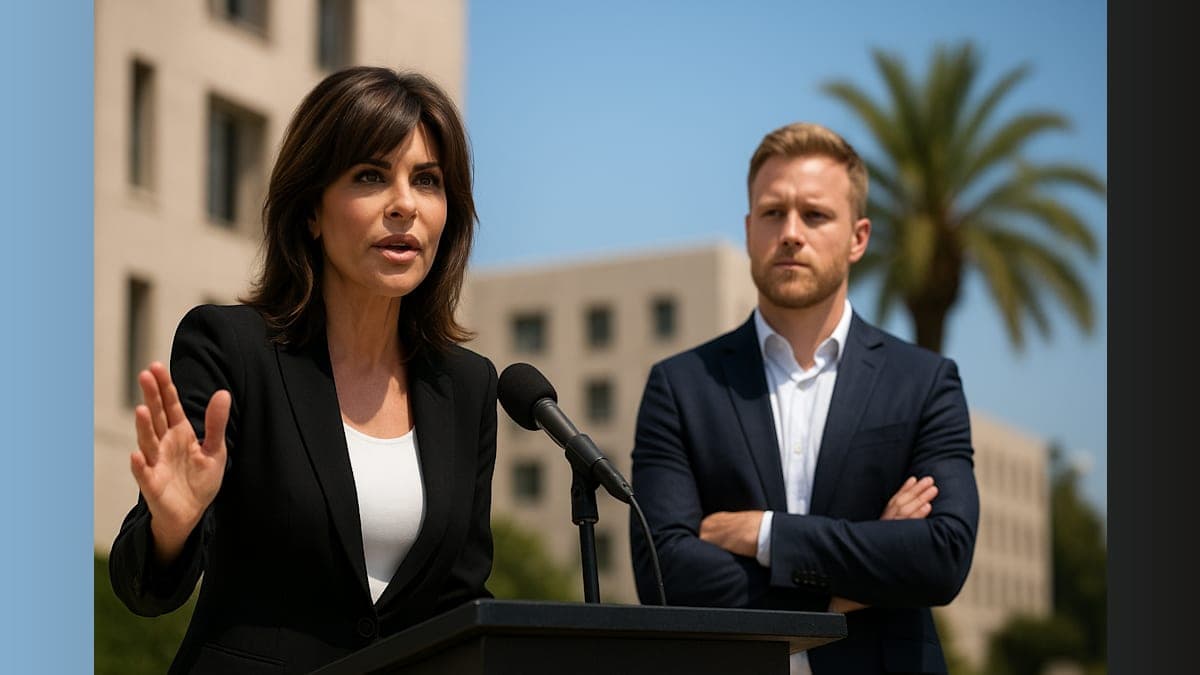
Lisa Rinna has drawn a firm line in the sand regarding Spencer Pratt's potential candidacy for mayor of Los Angeles, stating unequivocally that reality television stars should not hold top government positions.
The former star of "The Real Housewives of Beverly Hills" addressed the matter while walking the carpet at Monday night's American Music Awards. When questioned about Pratt's mayoral aspirations, Rinna offered a candid assessment that emphasized qualifications over celebrity status.
Rinna made clear that her position stems not from personal animosity but from practical concerns about governance. She emphasized that reality television personalities, including herself, lack the necessary expertise to manage a city as complex as Los Angeles, the second most populous municipality in the United States.
In her remarks, Rinna alluded to former President Donald Trump and the challenges he faced during his two terms in office, using his tenure as a cautionary example of the potential complications that arise when entertainment figures transition to governmental leadership roles.
Despite her opposition to his candidacy, Rinna expressed personal regard for Spencer Pratt. Her critique focused exclusively on the question of qualifications rather than character, underscoring her belief that effective municipal leadership requires specialized knowledge and experience in public administration.
The timing of Rinna's comments proves significant, as election day approaches for Los Angeles voters. Her perspective adds another voice to the ongoing debate about the appropriate credentials for candidates seeking to lead major American cities.
Rinna's position reflects broader concerns about the intersection of celebrity culture and political leadership. Her argument centers on the premise that governing a diverse metropolitan area with millions of residents demands technical expertise, policy knowledge, and administrative experience that reality television fame does not provide.
As Los Angeles voters prepare to cast their ballots, the question of what qualifications matter most in municipal leadership remains a central issue in the campaign discourse. Whether voters will prioritize traditional political experience or embrace outsider candidates represents a fundamental choice about the future direction of city governance.