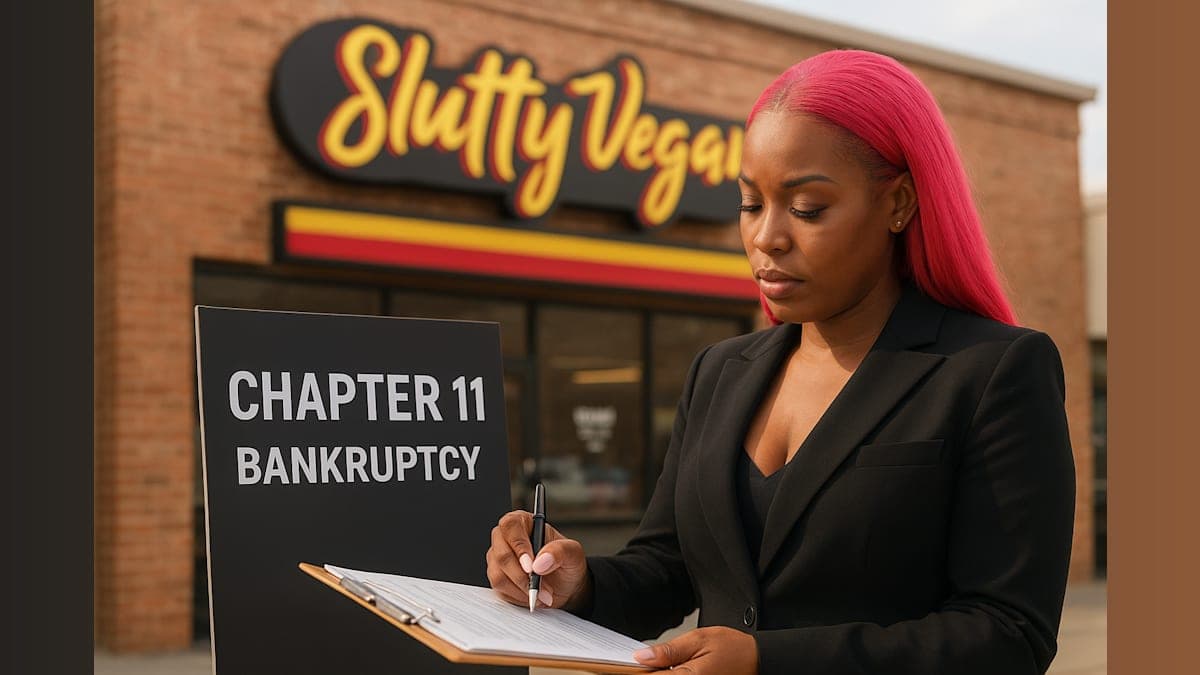
Aisha "Pinky" Cole, the celebrated entrepreneur who built the popular Slutty Vegan restaurant brand and recently joined the cast of Bravo's 'The Real Housewives of Atlanta,' has filed for Chapter 11 bankruptcy protection, according to court documents filed this week.
The bankruptcy filing reveals that Cole owes the United States Small Business Administration approximately $1.2 million, alongside an additional $192,000 in obligations to the Georgia Department of Revenue. The combined debt totals roughly $1.4 million, representing a significant financial burden for the restaurateur whose plant-based burger chain has garnered national attention.
Financial Snapshot and Asset Valuation
According to the bankruptcy documents, Cole has declared personal assets valued at approximately $3.7 million. This valuation encompasses residential properties, jewelry, clothing, vehicles, artwork, and various other personal possessions. Despite this substantial asset base, Cole reports monthly expenses of approximately $41,700, which translates to annual personal expenditures exceeding $500,000.
The Chapter 11 bankruptcy filing, often referred to as reorganization bankruptcy, allows businesses and individuals to restructure their debts while continuing operations. This legal mechanism provides Cole with an opportunity to negotiate repayment terms with creditors while maintaining control of her business interests.
The Slutty Vegan Empire and Georgia Roots
The financial difficulties appear to be connected to Cole's Slutty Vegan restaurant chain, which originated in Georgia and expanded to multiple locations throughout the Atlanta metropolitan area. The plant-based burger concept gained significant popularity and media attention, positioning Cole as a prominent figure in both the culinary and entrepreneurial communities.
The timing of this bankruptcy filing is particularly noteworthy, as it follows closely on the announcement of Cole's addition to the cast of 'The Real Housewives of Atlanta,' one of Bravo's flagship reality television programs. The juxtaposition of increased public visibility through the reality show with significant financial challenges creates a complex narrative for the entrepreneur.
Understanding the Debt Structure
The substantial debt to the Small Business Administration suggests that Cole may have utilized federal loan programs, potentially including those expanded during the COVID-19 pandemic to support struggling businesses. The Georgia Department of Revenue debt likely represents unpaid state taxes, which could include sales tax, income tax, or other state-level obligations related to business operations.
Representatives for Cole have not yet responded to requests for comment regarding the bankruptcy filing or the circumstances that led to this financial decision. The lack of immediate public statement leaves questions unanswered about the specific factors contributing to the debt accumulation and the entrepreneur's plans for financial recovery.
Implications for the Restaurant Industry
This development underscores the ongoing challenges facing restaurant operators, particularly those who expanded during uncertain economic conditions. The restaurant industry continues to navigate complex financial landscapes, including rising operational costs, labor challenges, and shifting consumer behaviors in the post-pandemic environment.
As Cole moves forward with the bankruptcy proceedings, the outcome will likely influence not only her personal financial situation but also the future trajectory of the Slutty Vegan brand and her visibility on reality television. Chapter 11 filings can take months or years to resolve, depending on the complexity of the debts and the cooperation of creditors.