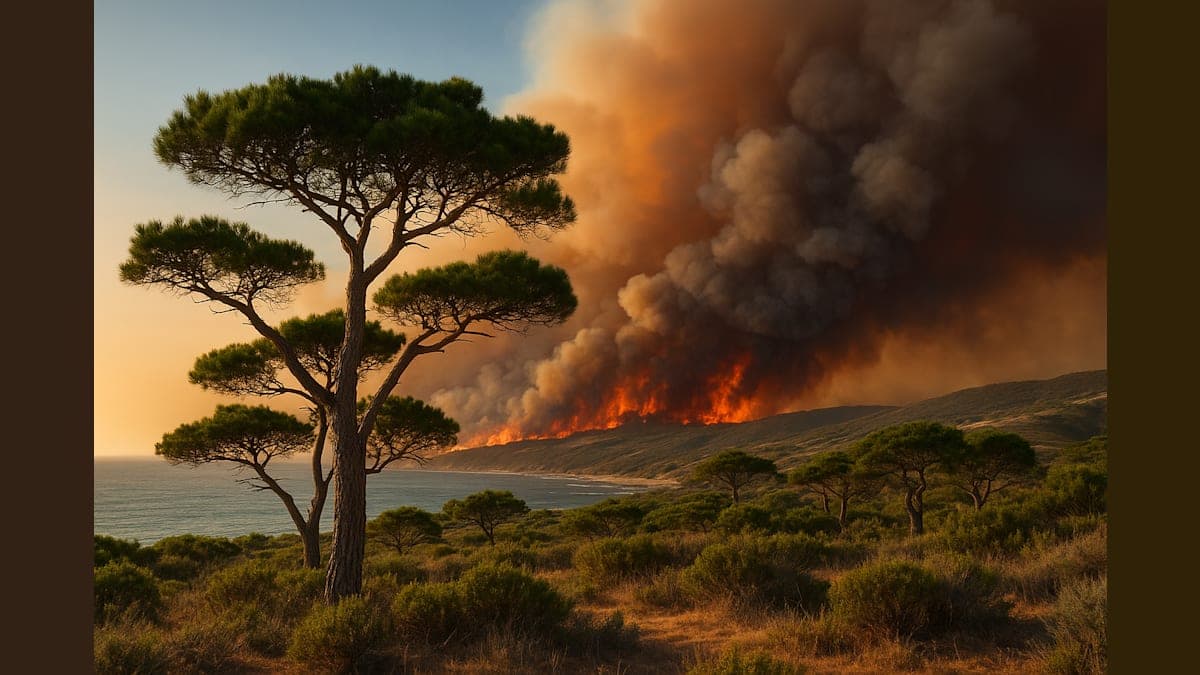
A wildfire that recently swept through Santa Rosa Island off the California coast has threatened one of the planet's rarest pine species, prompting urgent conservation efforts by botanical experts.
Heather Schneider of the Santa Barbara Botanic Garden discussed the institution's critical seed conservation work during an interview with NPR on Tuesday, May 27, 2026. The garden has been actively collecting and preserving seeds from rare plant species native to Santa Rosa Island, efforts that have taken on heightened significance following the recent fire.
Santa Rosa Island, located off the Southern California coast, harbors unique botanical treasures found nowhere else on Earth. The island's isolation has allowed distinct plant populations to evolve over millennia, making it an irreplaceable natural laboratory for conservation scientists and botanists.
The timing of the wildfire underscores the vulnerability of island ecosystems to environmental threats. Unlike mainland populations that may have broader geographic distribution, island species often exist in limited areas, making them particularly susceptible to catastrophic events such as wildfires, which can potentially eliminate entire populations in a single event.
The Santa Barbara Botanic Garden's seed conservation program represents a crucial safeguard against such losses. By maintaining genetic material from rare island plants, the institution provides insurance against extinction and preserves the possibility of future restoration efforts should wild populations be damaged or destroyed.
The extent of damage to the rare pine population from the recent fire remains under assessment. Conservation experts will likely conduct surveys to determine how many trees survived and whether the species' long-term viability on the island has been compromised.
This incident highlights the growing challenges facing rare plant conservation in an era of increasing wildfire frequency and intensity across California. The state's unique flora, particularly species with limited ranges, face mounting pressures from climate change, habitat loss, and natural disasters.