
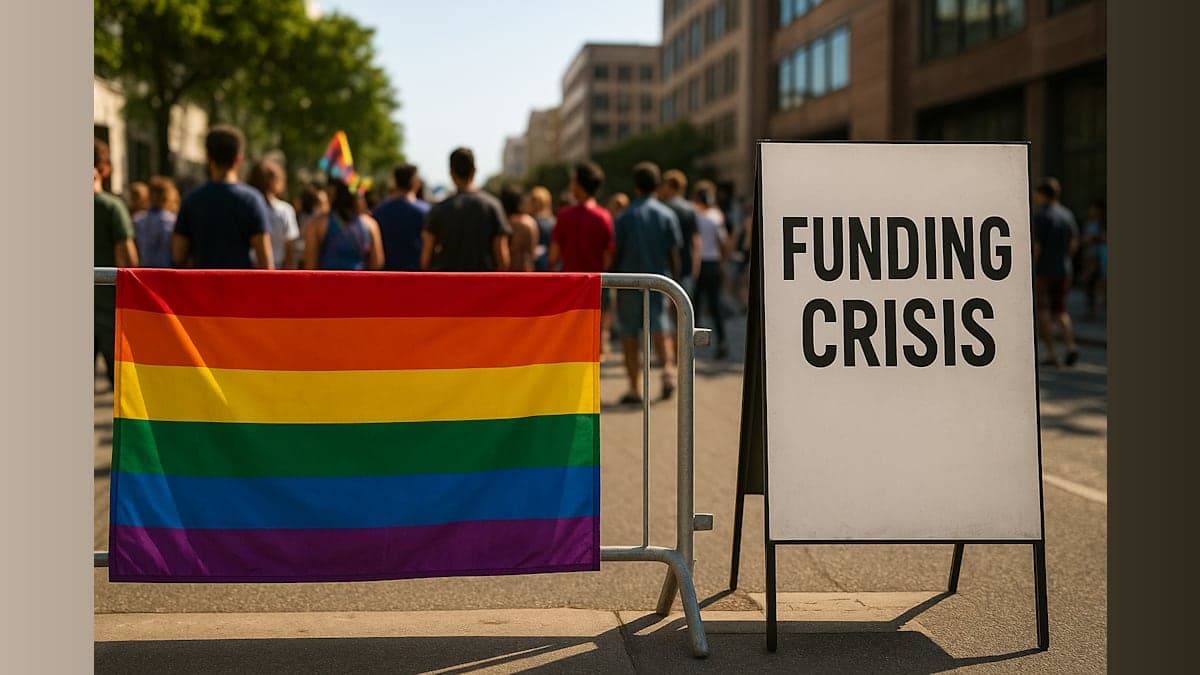
Pride celebrations nationwide are confronting a severe funding crisis as corporate sponsors withdraw support, threatening the viability of events that serve as vital community gatherings and resource centers for LGBTQ+ individuals.
Organizers in major cities including New York City, Salt Lake City, Louisville, St. Louis, Orlando, and Pittsburgh report substantial declines in corporate sponsorships compared to previous years. The financial strain comes as Pride events prepare for June celebrations, forcing organizers to scramble for alternative funding sources.
Jordan Braxton, co-president of the United States Association of Prides, which supports Pride celebrations nationwide, said that while some smaller Prides have seen growth in sponsorships, a majority have experienced reductions. She attributed the corporate retreat to the Trump administration's dismantling of Diversity, Equity and Inclusion initiatives.
"I think that's why some of the corporations have pulled back, because they don't want that government scrutiny," Braxton said.
In his first days in office in 2025, Trump issued presidential actions targeting DEI within the federal government and encouraging the private sector to end what the administration considers "illegal DEI discrimination and preferences."
Pittsburgh Faces Dramatic Funding Shortfall
In Pittsburgh, organizers are working to compensate for lost sponsorships ahead of their festival and parade in early June. Dena Stanley, director of Pittsburgh Pride, outlined the extensive costs associated with producing the event.
"It takes a lot of money to do this," Stanley said. "Permittings costs, security costs, headliners costs, staging costs, cleaning crew costs, insurance costs, all of these are expenses."
Pittsburgh Pride organizers anticipate securing only 30-40% of the sponsorship dollars they raised a few years ago. To address the funding gap, the organization received a state grant and solicited individual donations.
Political Pressure Reshapes Corporate Calculus
E Ciszek, who researches advertising and public relations at The University of Texas at Austin, said the downturn in corporate sponsorships is occurring amid a movement against Diversity, Equity and Inclusion initiatives and the "attack on trans rights, in particular."
"I think this is not just a matter of budget cuts, right?" Ciszek said. "It's important to take a step back and see this more as a moment of risk, a moment of political pressure, and looking really at the limits of corporate allyship, particularly when LGBTQ visibility has become really politically costly."
Corporations are calculating the risk of public support for Pride, which could expose them to litigation, political retaliation or consumer boycotts, Ciszek explained.
"What once was [an] organizational asset, has now become an organizational risk," Ciszek said.
Beyond Celebration: Community Resources at Stake
Lyndsey Sickler, another Pittsburgh Pride organizer, emphasized the significance of Pride celebrations for LGBTQ+ individuals who live in communities where they feel scrutinized for their identity. For some attendees, it represents their first time being in "a space that is actively, loudly celebrating everything that is us," Sickler said. "Nothing else matters at that point."
The financial impact extends beyond single-day celebrations. Reduced sponsorship money affects year-round events and resources for the LGBTQ+ community.
"People sometimes look at Pride festivals just as a big party, which they are, but they're also resource fairs, job fairs, and we also use it as a fundraising event," Braxton said.
In Florida, the consequences have proven severe. Tampa Pride announced a one-year hiatus after numerous corporations dropped their sponsorships, according to Carrie West, who ran the organization.
"All of a sudden, bingo. Here you have no money, no grant money, no supporting money, to make operations, to plan, to get any kind of anything," West said. "Oh my gosh, it was, it's devastating."
As Pride month approaches, organizers face the challenge of maintaining community celebrations and support services with significantly diminished resources, marking a substantial shift in the corporate landscape surrounding LGBTQ+ advocacy and visibility.