
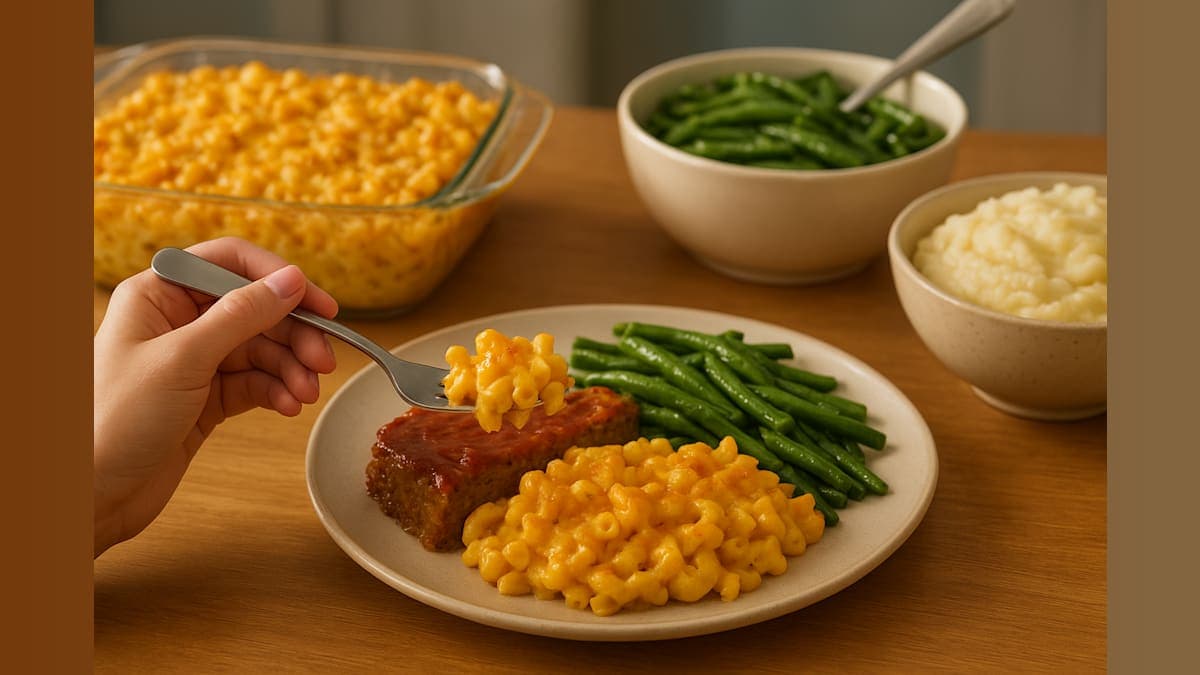
In an era of rising grocery costs and economic uncertainty, American families are turning to the past for culinary inspiration. Classic dinner recipes from the 1970s are experiencing a resurgence, as evidenced by extensive discussions on social media platforms where users share nostalgic meal preparations that remain both satisfying and economical.
The term "comfort food" itself originated during this decade, coined by actress Liza Minnelli in 1970 when she described such dishes as "anything you just yum, yum, yum" to food columnist Johna Blinn. This definition continues to resonate with contemporary home cooks seeking meals that provide emotional satisfaction alongside nutritional sustenance.
Economic Practicality Drives Renewed Interest
The appeal of these vintage recipes extends beyond mere nostalgia. Baby Boomers and Generation Jones members who grew up with these dishes are sharing their family recipes with younger generations who appreciate the financial accessibility of ingredients. Many of these meals utilize pantry staples, canned goods, and affordable protein sources that remain budget-conscious options in today's market.
Online communities dedicated to vintage recipes have documented numerous dinner preparations that exemplify the practical cooking philosophy of the 1970s. These dishes typically require minimal ingredients, straightforward preparation methods, and produce substantial portions suitable for family meals or leftovers.
Popular Dishes Making a Return
Among the most frequently mentioned preparations are tuna casserole, which combines canned fish with pasta and cream sauce; turkey or chicken tetrazzini, featuring poultry in a mushroom and cheese sauce; and classic meatloaf paired with baked potatoes. These dishes represent the era's emphasis on one-dish meals that could feed multiple people economically.
Salmon croquettes, formed from canned salmon mixed with crackers and eggs, exemplify the resourcefulness of 1970s cooking. Similarly, ground beef preparations such as Hamburger Stroganoff and Mexican casserole demonstrate how inexpensive protein could be stretched to create filling meals through the addition of rice, pasta, or tortilla chips.
Quiche Lorraine represents a more sophisticated option from the decade, though home cooks simplified the French classic with accessible ingredients including mayonnaise, readily available cheese, and ham. The dish gained popularity as a versatile preparation suitable for any meal.
Convenience Products and Home Cooking
The 1970s witnessed significant growth in convenience food products, and many classic recipes incorporated these items. Cream of mushroom soup served as a foundational ingredient in numerous casseroles, while Shake 'N Bake coating mix simplified the preparation of chicken and pork chops. Lipton onion soup mix became a staple flavoring agent in various ground beef dishes.
Contemporary cooks often modify these recipes, substituting fresh ingredients for processed products while maintaining the essential character of the original preparations. This adaptation allows modern families to benefit from the economical framework of 1970s cooking while addressing current preferences for whole foods.
Simple Preparations for Contemporary Kitchens
The straightforward nature of these recipes appeals to busy households. Pork chops with rice and cream of mushroom soup require minimal active cooking time, as the ingredients simmer together in a single pan. Sloppy Joes, made from seasoned ground beef served on hamburger buns, provide a quick weeknight dinner option that children typically enjoy.
Even the classic combination of grilled cheese sandwiches and tomato soup, a staple of 1970s households, continues to serve as an economical and comforting meal. While some cooks now prepare homemade versions with artisanal bread and aged cheeses, the fundamental appeal of this pairing remains unchanged.
Cultural Significance and Generational Exchange
The renewed interest in 1970s recipes represents more than economic necessity. These dishes facilitate intergenerational connection as older family members share cooking techniques and memories associated with particular meals. The exchange of recipes through online platforms has created communities where culinary traditions are preserved and adapted.
Food historians note that periods of economic constraint often prompt return to established cooking methods that prioritized affordability and efficiency. The current revival of 1970s comfort foods follows this pattern, demonstrating how culinary practices adapt to changing economic circumstances while maintaining cultural continuity.
As households continue to navigate financial pressures, these time-tested recipes offer practical solutions that honor culinary heritage while addressing contemporary needs. The enduring appeal of dishes such as cheese fondue, liver and onions, and various casseroles suggests that effective home cooking transcends generational boundaries when it successfully balances taste, economy, and convenience.