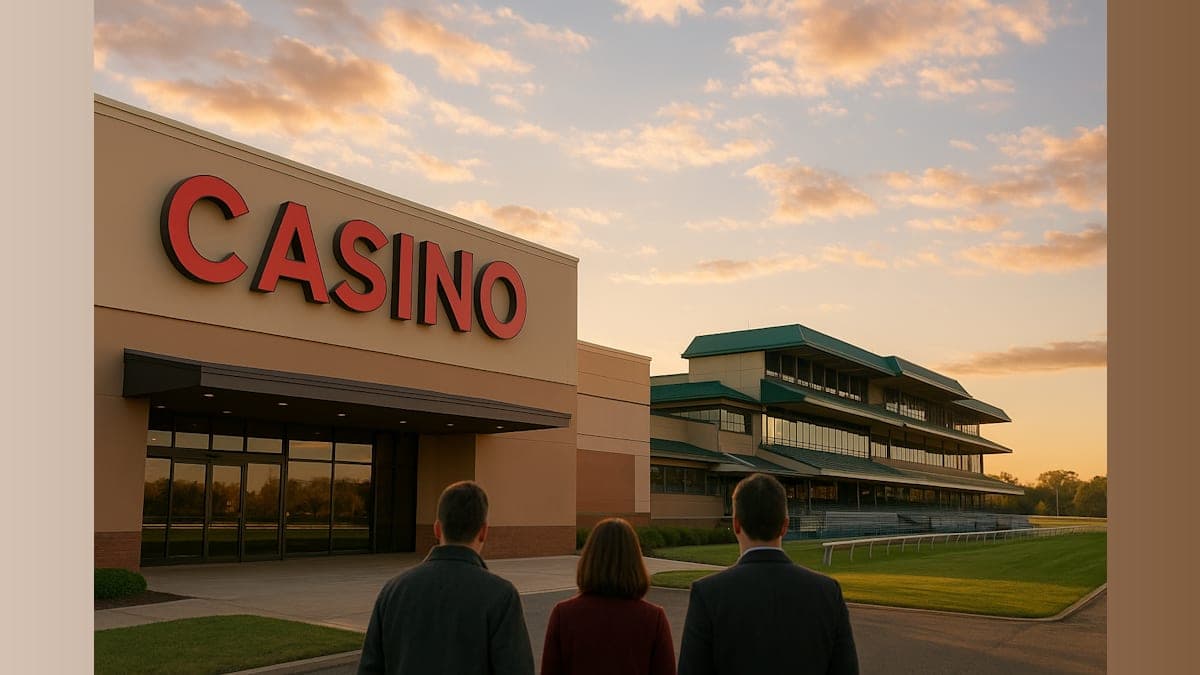
Our state may soon revisit a familiar debate: should casinos be allowed outside Atlantic City? Ten years after New Jersey voters overwhelmingly said no, the conversation is heating up again—and this time, the stakes involve competition with our neighbors across the Hudson River.
The owners of two major racing venues—the Meadowlands and Monmouth Park racetracks—are actively lobbying state officials to support a new campaign legalizing casinos in northern New Jersey. Their pitch comes as New York City prepares to open three new casinos just across the river, a development that could siphon gambling revenue and tax dollars away from the Garden State.
The timing reflects growing anxiety about what happens when New Yorkers no longer need to travel to Atlantic City—or even cross into New Jersey—for their casino fix. With Manhattan-based gambling establishments on the horizon, state officials and developers worry about losing both the economic activity and tax revenue that currently flows to our casinos.
This isn't just a New Jersey conversation anymore. Casino lobbyists in New York City have already started developing strategies to counter any North Jersey expansion efforts, signaling that a regional gambling competition may be brewing.
The 2016 referendum on casino expansion failed decisively, with voters expressing concerns about protecting Atlantic City's struggling gaming industry and the potential social costs of bringing casinos closer to densely populated areas. Whether public sentiment has shifted in the past decade remains to be seen.
For racetrack owners, the proposal represents a potential lifeline. Both the Meadowlands and Monmouth Park have faced their own economic challenges in recent years, and casino licenses could transform these properties into major entertainment destinations.
As this debate unfolds, our community will need to weigh the potential economic benefits against concerns that have historically made casino expansion a contentious issue. The question isn't just about gambling revenue—it's about the future of entertainment, tourism, and tax dollars in our region.