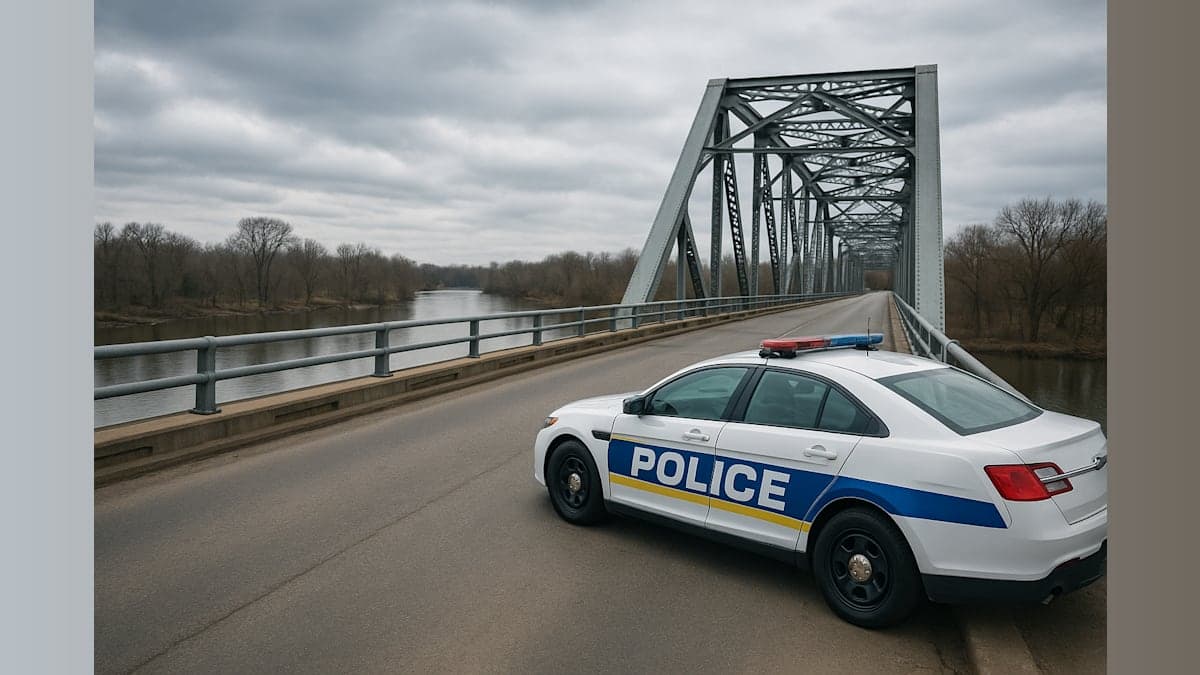
A moment of profound human connection on a Nashville bridge has highlighted the life-saving power of compassion in law enforcement. Lieutenant Mike Hotz of the Nashville Police Department intervened in a potential tragedy on Victory Memorial Bridge in Tennessee, relying not on standard police procedures but on genuine empathy and emotional honesty.
The officer's words to the distressed individual cut through the crisis with simple directness. "I just want you to feel like you are loved here because you are," Lieutenant Hotz told the man, according to DailyGood. That statement of unconditional human worth became the foundation for saving a life.
Lieutenant Hotz brought unique perspective to the encounter. As a military combat veteran, he had witnessed fellow servicemembers grappling with mental health challenges. That experience informed his response when he encountered someone in crisis on the bridge. Rather than approaching the situation as a law enforcement problem requiring tactical management, he chose to engage as one human being reaching out to another in profound distress.
The interaction began with a handshake extended in good faith. That gesture evolved into an embrace that proved transformative. Reflecting on the moment afterward, Lieutenant Hotz identified the hug as the turning point when the individual recognized he could place his trust in someone willing to help him through the darkness.
The incident raises broader questions about mental health intervention and community responsibility. Lieutenant Hotz's approach demonstrates what becomes possible when people are willing to engage in difficult conversations before situations escalate to crisis levels. His willingness to ask how someone is genuinely doing, and to listen to the answer, created space for connection that ultimately saved a life.
The officer's decision to meet someone on the worst day of their life with vulnerability rather than authority offers a model for crisis response that prioritizes human dignity. By standing alongside the individual rather than simply managing a situation, Lieutenant Hotz created the conditions for trust and hope to take root where despair had flourished.
This encounter on Victory Memorial Bridge serves as a reminder that sometimes the most effective intervention comes not from training manuals or tactical protocols, but from the willingness to acknowledge shared humanity in moments of profound vulnerability. The simple act of telling another person they are loved and valued can create the opening necessary for healing to begin.