
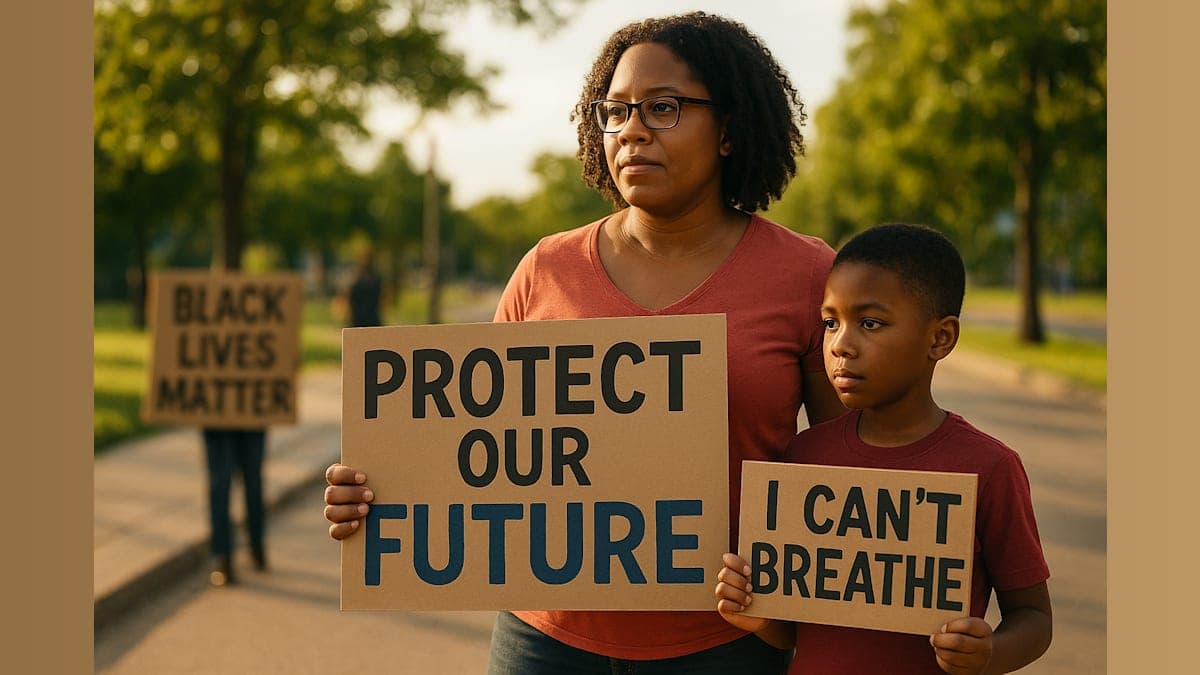
A Minneapolis mother and son sat down for a StoryCorps interview to discuss the role of activism in their lives, exploring how the practice of protesting has shaped their family's values and commitment to social change.
The conversation, which aired on Morning Edition on Friday, May 8, 2026, delves into the personal motivations behind their activism and the significance of continuing a tradition of civic engagement across generations. The interview captures an intimate discussion about what drives individuals to take to the streets and advocate for change in their community.
Minneapolis has long been a focal point for social justice movements, particularly in recent years as the city has grappled with issues of police reform, racial equity, and community transformation. The city's residents have demonstrated a sustained commitment to activism, making it a particularly relevant location for conversations about the power and purpose of protest.
The phrase "it's in our blood" suggests that for this family, activism represents more than occasional participation in demonstrations. Rather, it reflects a deeply embedded commitment to advocacy that has been passed down and internalized as a core family value. This intergenerational approach to social engagement speaks to the ways communities sustain movements over time, ensuring that the work of creating change continues beyond single events or moments.
StoryCorps, the national oral history project, provides a platform for everyday Americans to record and share their stories. These conversations preserve personal narratives that might otherwise go undocumented, creating an archive of American experiences that reflects the diversity of perspectives across the nation. The organization's focus on authentic, unfiltered dialogue allows participants to speak candidly about their experiences and beliefs.
The timing of this conversation holds particular significance for Minneapolis, a city that continues to navigate complex conversations about justice, equity, and community safety. As residents work to shape the future of their city, stories like this one illuminate the personal dimensions of civic engagement and the ways families transmit values of activism and advocacy to younger generations.
For communities across the nation, the question of how to effect meaningful change remains central to public discourse. This mother and son's discussion offers insight into the motivations that drive individuals to participate in protests and the belief that collective action can make a tangible difference in addressing social issues.
The interview underscores the importance of documenting these personal narratives as part of the broader historical record. As future generations seek to understand the social movements of this era, conversations like this one will provide valuable context about the individuals who participated and the reasons they felt compelled to act.