
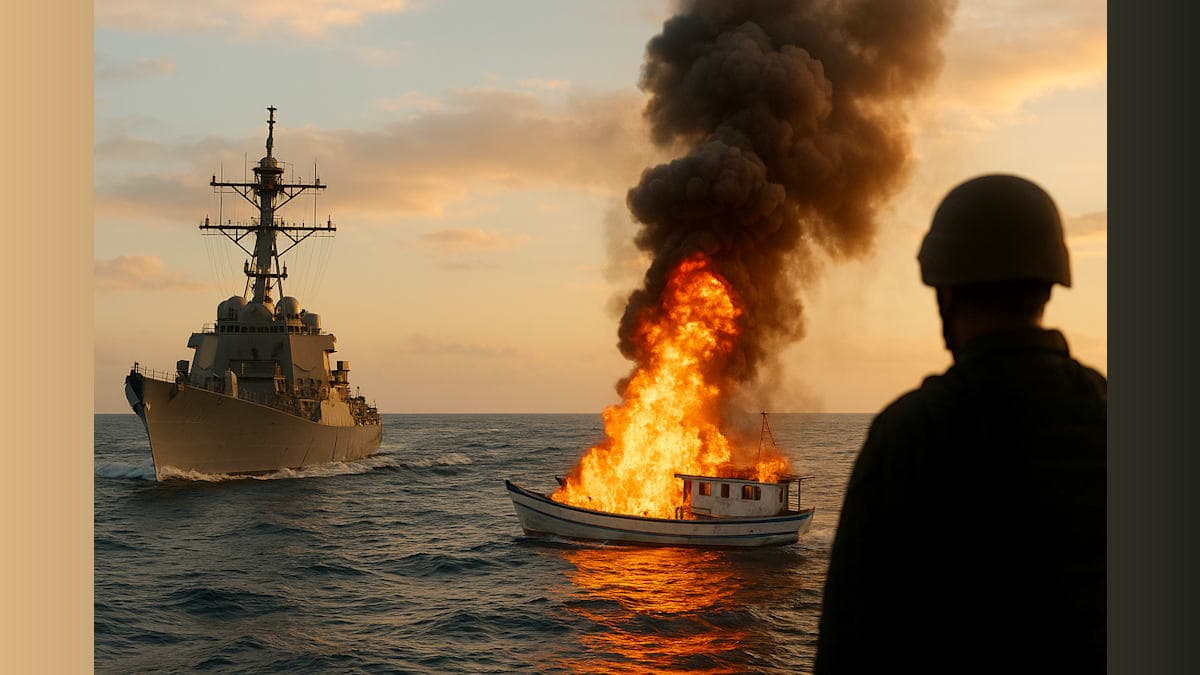
A United States military operation targeting alleged drug-trafficking vessels has escalated into a deadly campaign that has claimed more than 190 lives, according to reports emerging Friday. The strikes, conducted across the Caribbean and Pacific regions, are now facing intensifying questions regarding their legal foundation and mechanisms for accountability.
The boat strike campaign represents a significant military intervention in counter-narcotics operations, with the death toll raising fundamental concerns about the scope and conduct of these actions. As scrutiny mounts, the operations have become a focal point for debates over the appropriate use of military force in drug interdiction efforts.
The strikes target vessels suspected of transporting illegal narcotics through maritime routes that have long served as corridors for drug trafficking organizations. These waterways connect production regions in South America with markets in North America, making them strategic chokepoints in the broader effort to disrupt drug supply chains.
The rising death toll has amplified concerns about the legal framework governing these military actions. Questions center on the authority under which such strikes are conducted, the standards applied to identify targets, and the oversight mechanisms in place to ensure compliance with domestic and international legal obligations.
The accountability dimension of the campaign has emerged as particularly contentious. With more than 190 people killed, observers are pressing for transparency regarding how targets are selected, what verification processes exist to confirm vessels are engaged in criminal activity, and what recourse exists when errors occur.
The geographic scope of the operations spans two major bodies of water. The Caribbean Sea has historically been a primary transit route for cocaine moving from Colombia and Venezuela toward Central America and Mexico. The Pacific corridor serves similar trafficking patterns along the western coast of Central and South America.
Military involvement in counter-narcotics operations is not unprecedented, but the scale and lethality of the current campaign distinguish it from previous interdiction efforts. Traditional approaches have emphasized vessel seizures and arrests rather than strikes resulting in casualties.
The mounting scrutiny reflects broader tensions between aggressive enforcement measures and legal constraints on military action. As the death toll continues to rise, pressure is building for greater transparency about the rules of engagement, the decision-making process behind individual strikes, and the measures taken to prevent unintended casualties.
The situation underscores the complex intersection of national security priorities, law enforcement objectives, and legal limitations on the use of force. As the campaign continues, the questions surrounding its legality and accountability are likely to intensify, particularly as the human cost of the operations becomes more apparent.