
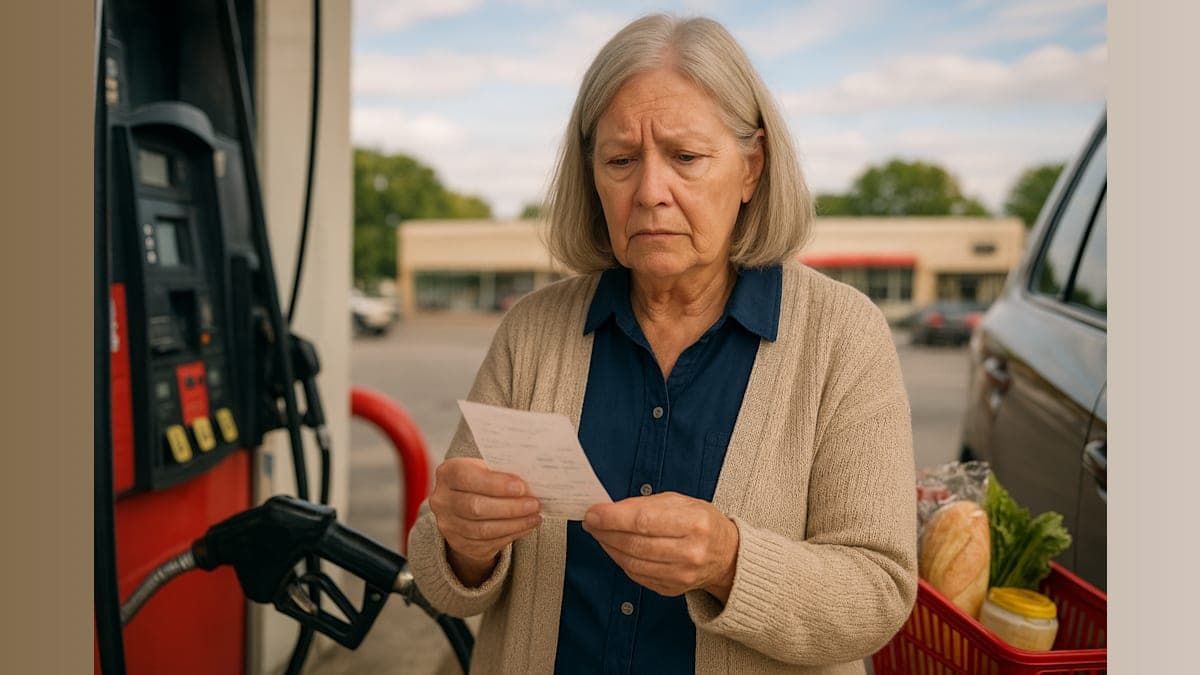
For more than thirty years, Dalene Basden has dedicated her life to supporting families with special needs children in Lynn, Massachusetts. The 71-year-old program director at the Children's Friend and Family Services Clinic, a division of Justice Resource Institute, has built a career on meeting families where they are — whether at playgrounds, schools, or grocery stores teaching budget-conscious shopping strategies.
Yet today, Basden finds herself in an unexpected position: after decades of helping others navigate financial hardship, she is now struggling herself.
The confluence of rising gas and grocery prices has transformed what was once a manageable household budget into a monthly scramble. Basden and her husband, who drives a van for people with disabilities, previously spent between $300 and $400 monthly on gas. That figure has now surpassed $600, creating a financial strain that reverberates through every aspect of their lives.
"It's crazy," Basden explained. "It's just like overnight. Yesterday you could afford it, but today you can't."
The household, which includes an adult son with disabilities and two grandsons, has made significant adjustments. Beef has disappeared from the dinner table, replaced exclusively by chicken due to cost considerations. Six months ago, such restrictions would have been unthinkable.
"All we eat is chicken," she noted. "I'd love to have some beef, but it's just way too expensive. But six months ago, if I wanted to buy beef, I went in the store and bought beef. Now, [we only] buy chicken because it's the cheapest."
Basden represents a growing demographic of Americans feeling the economic squeeze. According to recent polling data, eight out of ten Americans report struggling to make ends meet. For Basden, the financial pressure has forced difficult decisions, including reducing trips to drive her son to his workout facility, despite recognizing the health benefits.
The situation intensified following a cancer diagnosis. While Basden maintains good health insurance through her employer and receives quality treatment, the accumulating co-pays have added another layer of financial burden. This month alone, she faces five appointments at a Boston hospital, approximately an hour's drive from Lynn, with parking costs compounding the expense.
The absurdity of their situation crystallized when Basden and her husband realized that her upcoming surgery would at least reduce their gas expenses. "We said, 'We'll save some money then,'" she recalled with a laugh. "Yeah, that's kind of crazy when you think about it like that."
Perhaps most painful for Basden is the impact on her ability to serve her clients. Previously, she would drive clients to job interviews, deliver dinners, or transport young women to special needs proms without hesitation. Now, she must calculate the cost of each trip.
"That gas is on me," she explained. "So, I've had to say, 'No, like maybe you can ride your bike.'"
Despite these challenges, Basden remains deeply committed to her work. Several evenings each week, she volunteers at My Brother's Table, a local soup kitchen where many of her clients gather. There, she moves seamlessly between mentoring young men about job applications and commitment, serving meals, and providing the kind of steady, reliable support that has defined her career.
The woman who once only gave advice about budgeting and accessing food pantries now follows her own counsel, accepting assistance from food pantries herself to keep her household fed. It represents a humbling reversal for someone accustomed to being the helper rather than the helped.
Yet Basden refuses to consider retirement, despite acknowledging that day will eventually come. For now, she maintains that her work provides essential purpose and vitality, particularly as she confronts her health challenges.
"I know there is going to be a time when I'm going to have to slow down, but not today," she declared. "Heck no. Today is not that day!"
Her story illuminates a broader reality facing working-class communities throughout the region: even those with stable employment and decades of experience can find themselves financially vulnerable when costs rise faster than wages. In Lynn, a predominantly working-class and low-income city north of Boston, Basden's experience reflects the struggles of countless families navigating similar economic pressures while federal food assistance programs face cuts.
As evening falls and Basden leaves My Brother's Table, her workday continues. She heads to a meeting with a family struggling to make rent — another reminder that in communities like Lynn, the line between helper and those needing help grows increasingly thin.