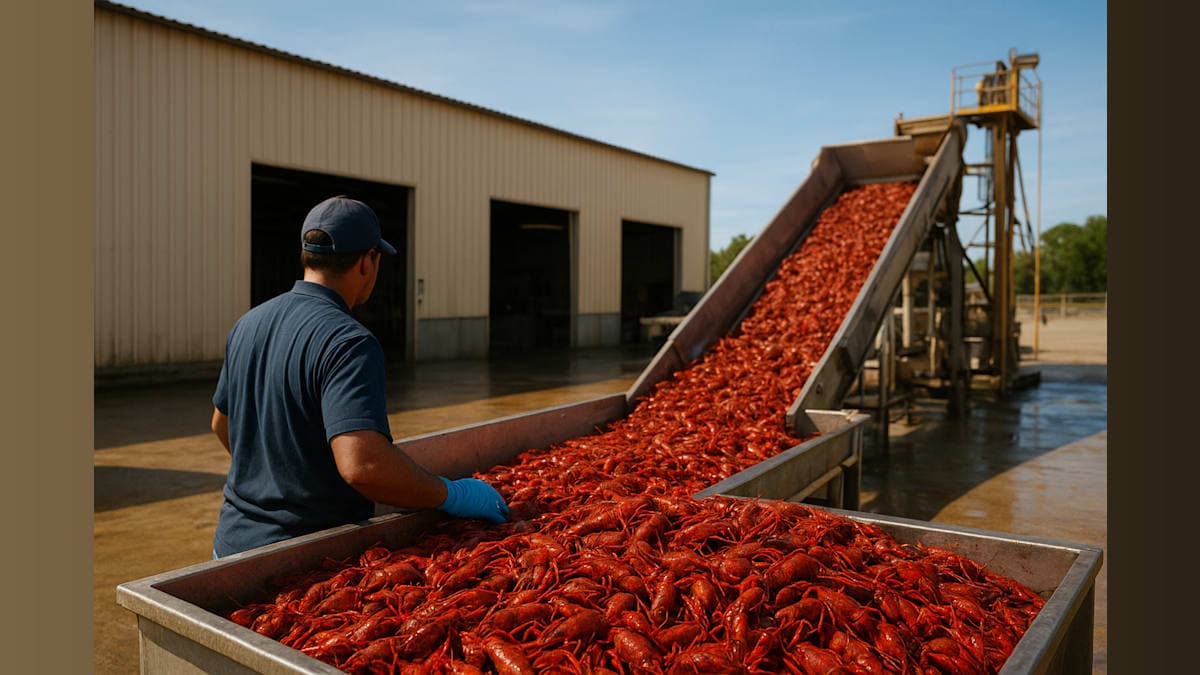
Louisiana's crawfish processing industry is experiencing substantial upheaval as facilities across the state face an inability to obtain guest-worker visas for their seasonal employees, according to a report from NPR.
The disruption strikes at the heart of Louisiana's iconic crawfish sector, which relies heavily on temporary migrant workers during peak processing season. Processing plants that traditionally depend on guest-worker programs to staff their operations now find themselves without adequate labor to handle the seasonal harvest.
The visa shortage represents a significant challenge for an industry that serves as both an economic driver and cultural cornerstone in Louisiana. Crawfish processing requires intensive manual labor during concentrated periods, work that has historically been performed by seasonal workers entering the country through temporary visa programs.
The current situation leaves processing facilities scrambling to maintain operations without their customary workforce. The inability to secure necessary visas creates a bottleneck that could affect the entire supply chain, from harvesters who need processors to handle their catch to restaurants and retailers that depend on consistent crawfish availability.
This workforce crisis arrives during a critical period for the industry, potentially forcing some facilities to reduce capacity or curtail operations entirely. The ramifications extend beyond individual businesses to affect the broader Louisiana economy and the communities that depend on crawfish-related commerce.
The guest-worker visa program has long served as the backbone of seasonal agricultural and seafood processing operations across the United States. The current disruption in Louisiana highlights the vulnerability of industries that depend on these temporary labor arrangements to meet production demands during peak seasons.