Law students at Emory University in Atlanta are taking on one of the legal profession's most entrenched institutions, challenging the federal judiciary's internal system for handling workplace complaints. The students recently filed a petition with the U.S. Supreme Court on behalf of a former federal public defender who alleges she faced sexual harassment on the job with no meaningful avenue for recourse.
At the heart of the case lies a troubling reality: unlike most American workers, tens of thousands of people employed by the federal courts are not covered by landmark civil rights protections. These employees cannot turn to an independent agency for assistance when they experience harassment or discrimination in the workplace.
The work is being conducted through Emory's Supreme Court Advocacy Program, which Professor Paul Koster describes as the only student-led Supreme Court litigation program in the country. The students selected this case from among several requests for assistance, recognizing its significance for their peers who aspire to judicial clerkships and other positions within the federal court system.
"You may not know as a student entering a clerkship that you're going to forgo certain workplace protections that you otherwise would never have to even consider forgoing because they just seem that fundamental," said Sofia Bettini, a recent Emory graduate who worked on the Supreme Court petition. She characterized the decision to take on the case as a "no brainer" given its direct impact on future legal professionals.
The students argue that federal court employees face a uniquely vulnerable position. "They have nowhere to turn, no independent enforcer, no neutral decision maker and there exists a very real threat that speaking up will cost them everything," Bettini said.
Bettini and nine other students in the program dedicated weeks to researching the facts and legal precedents surrounding the case. According to Koster, the students are pursuing this work voluntarily, without academic credit or grades. "These students aren't getting credits for this, they're not getting graded on this, they're doing the work because they want to do the work," Koster said.
The Civil Rights Gap
The petition centers on whether the judiciary's internal complaint system provides workers with due process and equal protection under the law. The federal courts employ approximately 30,000 people, including clerks, probation officers, and public defenders.
Student Andrew Taramykin, who will enter his third and final year of law school in the fall, spent hours researching Title VII for the Supreme Court petition. "Title VII goes back to the Civil Rights Act of 1964 and it prohibits certain unlawful workplace conduct that includes what we generally understand as workplace harassment, workplace discrimination," he said.
By 1995, lawmakers had extended Title VII protections to workers in Congress. Taramykin argues that Congress intended federal court employees to receive similar protections, though lawmakers wanted to give the judiciary wide berth to execute on them.
The problem, according to the students, lies in how those protections are implemented. Every federal circuit court has developed its own human resources program for workers to resolve disputes. These rules typically leave judges to oversee complaints against people they know and might work with daily—a system the Emory students argue fails to provide the neutral, independent decision-making promised in civil rights law.
"Yes it's a huge employer but in many ways it's a small community," Taramykin said of the judiciary.
"Autonomy for the institution cannot come at the cost of basic workplace rights and safety for people within it," Bettini said.
Broader Implications
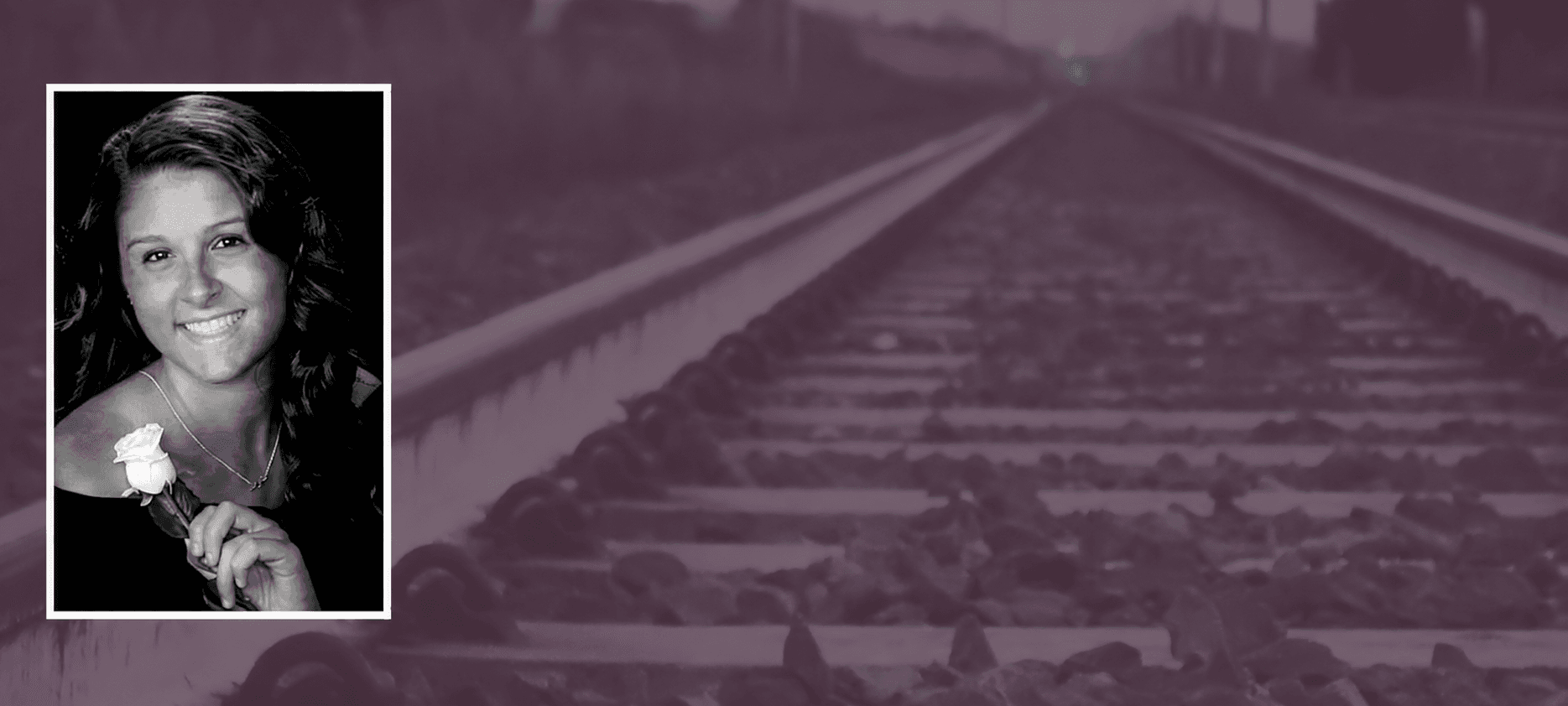
Caryn Strickland, the former public defender whose case the students are supporting, praised their efforts in a written statement. "The shortcomings in civil rights protections for the judiciary's 30,000 employees will only be addressed if the legal community is willing to stand up publicly against this serious injustice," Strickland said.
A spokesman for the Administrative Office of the U.S. Courts in Washington declined comment on the case. However, that office has been defending the judiciary's internal system as robust and has indicated that changes are underway to make it easier to report wrongdoing.
The Supreme Court has requested a response from the Justice Department to the students' petition, which is due next month.
The student-drafted petition arrives as judicial misconduct draws renewed attention nationwide. This month, three federal judges in three different states came under scrutiny for their behavior off the bench. While impeachment by Congress represents the most severe sanction federal judges can face, only 15 judges have been impeached in the nation's history, and just eight have been removed from office.
An earlier investigation found that clerks and other employees who face abuse in the courts often find little recourse—a reality that makes the Emory students' advocacy all the more significant for the future of workplace protections in the federal judiciary.