
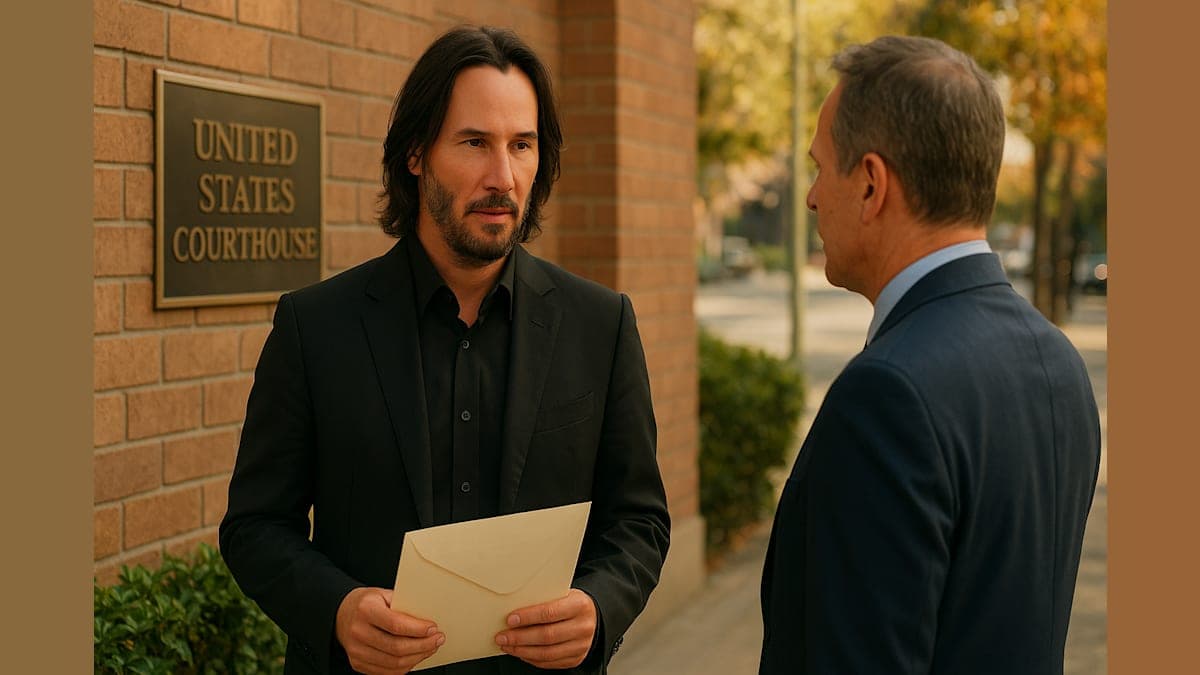
Actor Keanu Reeves has intervened on behalf of a Hollywood director facing federal sentencing for a multimillion-dollar fraud scheme involving Netflix. The actor submitted a letter to a federal judge requesting a lenient sentence for Carl Rinsch, who was convicted in December on federal charges including wire fraud and money laundering.
The letter was included as part of a sentencing memorandum in Rinsch's case. Federal prosecutors alleged that Rinsch misappropriated $11 million in Netflix funding that had been allocated for a series titled "White Horse," instead using the money to finance a lavish personal lifestyle.
In his letter to the court, Reeves described how Rinsch became a friend after directing him in the 2013 film "47 Ronin." The actor acknowledged that Rinsch has a tendency to "self-sabotage" by pushing boundaries, offering a candid assessment of his friend's character flaws while simultaneously advocating for compassion.
Reeves also addressed the "White Horse" project directly, revealing that Rinsch had shown him the unfinished work years ago. The actor characterized the project as "superb and visionary art," suggesting that despite the criminal conduct, Rinsch possessed genuine creative talent.
The letter provided a glowing assessment of Rinsch's artistic abilities. Reeves described his friend as an "exceptional artist" who brings joy, warmth and creative inspiration to others. The testimonial represents a notable public show of support for someone convicted of serious federal crimes.
Character letters from prominent individuals are common in federal sentencing proceedings, as defense attorneys attempt to humanize defendants and persuade judges toward more lenient sentences. However, the involvement of a major Hollywood star in a high-profile fraud case adds an unusual dimension to the proceedings.
The judge is scheduled to sentence Rinsch on Sunday, June 29, 2026. It remains to be seen whether Reeves's personal appeal will influence the court's decision regarding the appropriate punishment for the Netflix fraud scheme. Federal wire fraud and money laundering convictions typically carry substantial prison sentences, though judges retain discretion in determining final penalties based on various factors including character references and mitigating circumstances.