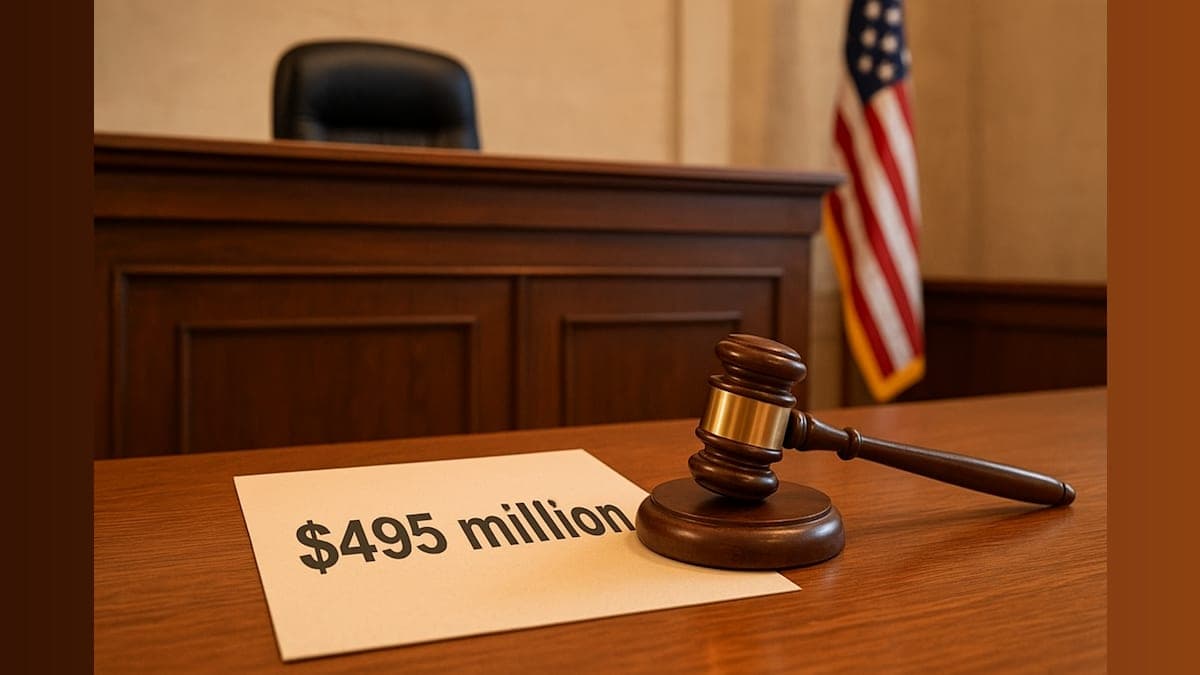
A federal jury in Chicago delivered a significant verdict on Wednesday, awarding $49.5 million to the family of a young woman killed in the 2019 crash of Ethiopian Airlines Flight 302. The decision represents one of the last remaining legal cases stemming from two catastrophic Boeing 737 MAX crashes that claimed 346 lives within months of each other.
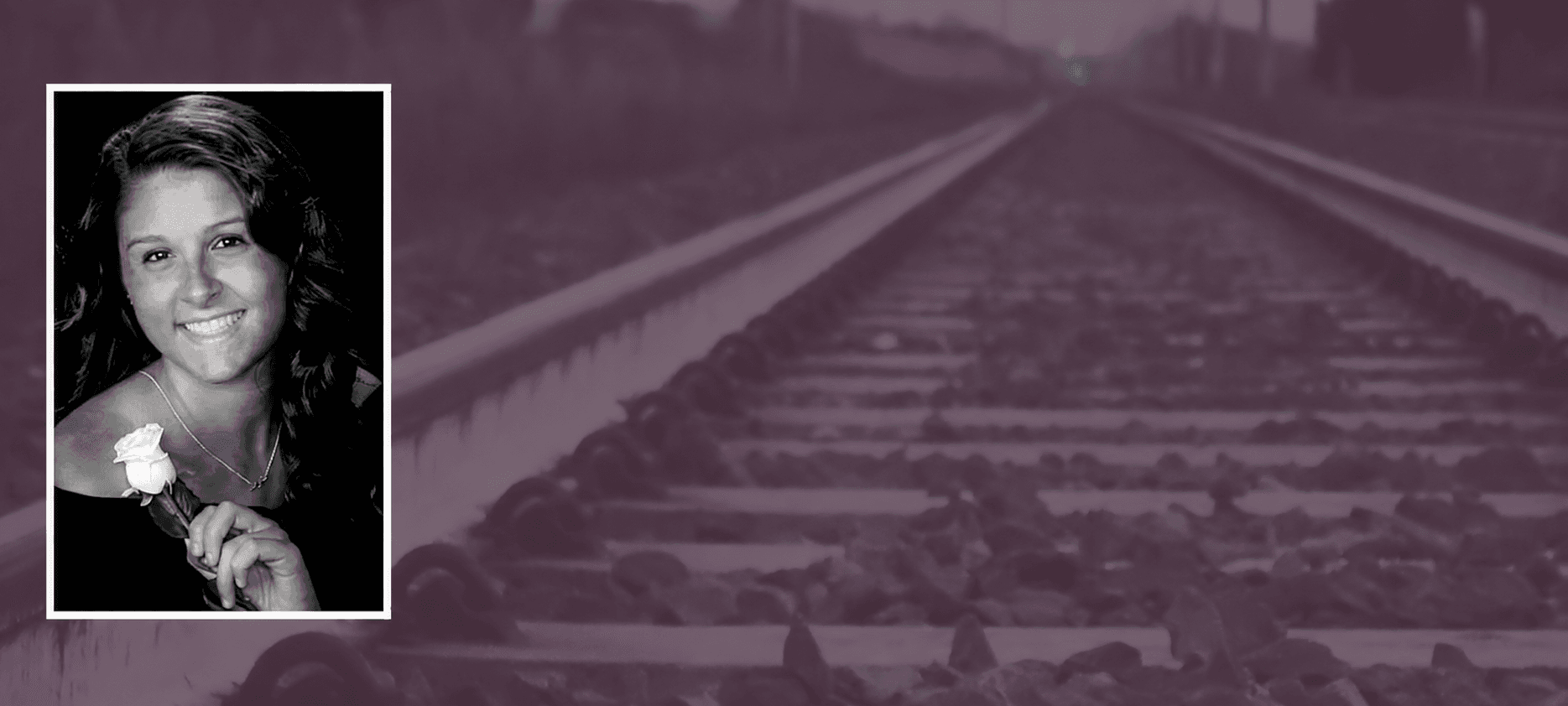
Samya Stumo was 24 years old when she perished in the second 737 MAX crash. Her mother, Nadia Milleron, recalled in 2019 the circumstances surrounding her daughter's final journey: "Our daughter got on the plane completely trusting. She was going on her first assignment in East Africa for an NGO which works on healthcare. And she never dreamed that there would be any problem with the plane itself, and there was a huge problem."
The trial focused exclusively on compensatory damages, as Boeing had already admitted responsibility for the crash. The jury's award breaks down into three components: $21 million for Stumo's experience during the fatal flight, $16.5 million for the family's loss of her companionship, and $12 million for the family's grief.
Attorneys Shanin Specter and Elizabeth Crawford of the law firm Kline & Specter, representing Stumo's estate, expressed satisfaction with the opportunity to present the compensatory damages case. They indicated plans to pursue punitive damages against Boeing executives and the company's suppliers on appeal after those claims were dismissed.
This verdict follows a similar outcome in November, when a separate jury awarded more than $28 million in damages to the family of Shikha Garg, a United Nations environmental worker also killed in the 2019 crash. These trials represent exceptions to the broader pattern of resolution in these cases.
Boeing has reached an agreement with the Justice Department to avoid criminal prosecution and has settled confidentially with dozens of families who filed lawsuits following the crashes. However, a small number of cases have proceeded to trial, allowing families their day in court.
In a statement, Boeing acknowledged the ongoing legal process: "While we have resolved nearly all of these claims through settlements, families are entitled to pursue their claims through the court process, and we respect their right to do so."
The Stumo family has joined with families of dozens of other victims in efforts to hold Boeing and federal regulators accountable for the failures that led to the crashes. Their advocacy reflects a determination to prevent future tragedies and ensure that the aviation industry maintains the highest safety standards.
The two 737 MAX crashes—Lion Air Flight 610 and Ethiopian Airlines Flight 302—exposed critical flaws in the aircraft's design and certification process, leading to a worldwide grounding of the fleet and fundamental changes in aviation oversight. The legal proceedings continue to provide a measure of accountability for families seeking justice for their lost loved ones.