An unexpected intersection of retail merchandise and animal welfare has captured international attention, as IKEA's Djungelskog orangutan soft toy has become one of the most sought-after items in recent weeks. The Swedish retailer has completely depleted inventory across the United States, Japan, and South Korea following a viral story that has resonated with millions worldwide.
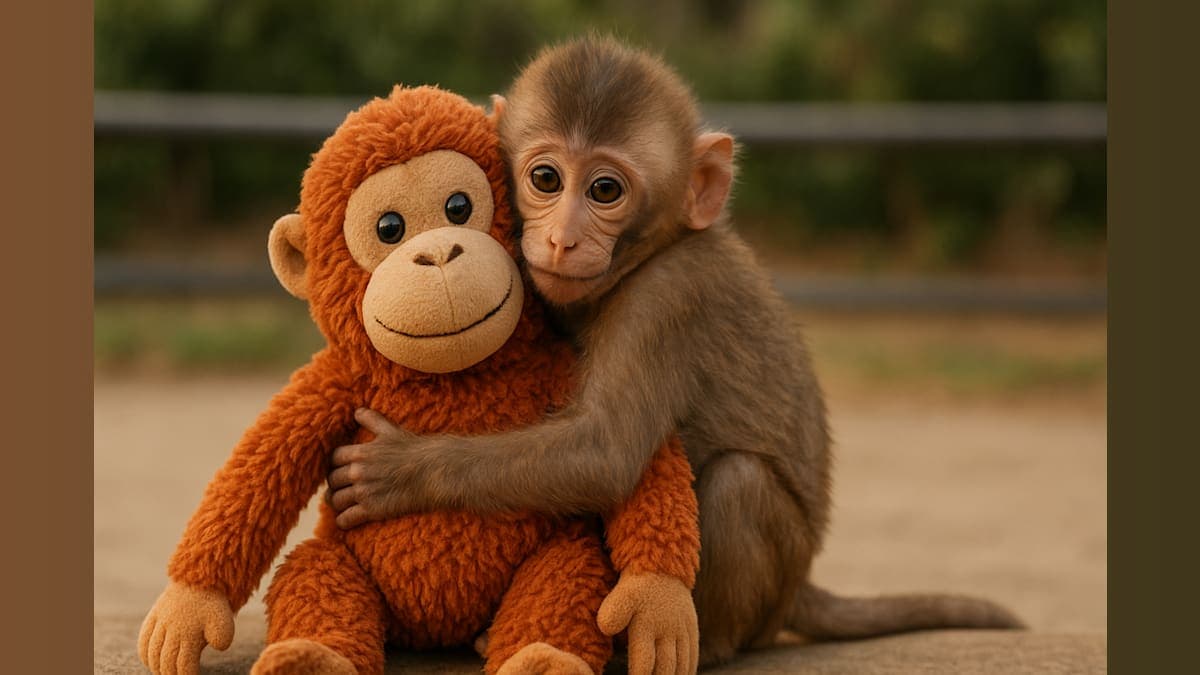
The phenomenon centers on Punch, a seven-month-old macaque at Ichikawa City Zoo in Japan, who has formed an inseparable bond with the plush toy. Zoo staff provided the IKEA item to the young primate after he experienced rejection from both his biological mother and other members of his troop—a devastating situation that can prove fatal for infant primates in captivity.
An Unlikely Source of Comfort
Photographs documenting Punch's attachment to the stuffed orangutan quickly spread across social media platforms, depicting the young macaque carrying, sleeping beside, and treating the toy as a surrogate maternal figure. According to zoo personnel, the relationship between Punch and his plush companion exceeded all expectations, demonstrating the profound psychological needs of infant primates.
The images struck an emotional chord with viewers across the globe, transforming what was originally a $20 retail item into a symbol of compassion and resilience. Local reports from Japan indicate that Punch maintains constant physical contact with the toy throughout daily activities, including feeding times and rest periods.
Retail Frenzy and Secondary Market Surge
The widespread attention has created unprecedented demand for the Djungelskog plushie. IKEA stores throughout multiple countries have reported complete stock depletion, with no immediate timeline for restocking provided by the company. This scarcity has predictably driven significant activity on secondary marketplaces.
Online resale platforms have witnessed dramatic price escalation, with individual toys commanding prices ranging from approximately $52 to as high as $350—representing markup percentages exceeding 1,600 percent in some instances. One enterprising individual from Allen, Texas, reportedly acquired 17 units of the toy and has successfully sold a dozen at inflated prices within a single day.
The situation exemplifies a broader trend in consumer behavior, where emotional narratives can rapidly transform ordinary merchandise into highly coveted collectibles. Market analysts note that such phenomena typically prove temporary, though the duration and intensity of demand remain difficult to predict.
Corporate Response and Zoo Impact
Recognizing the significance of the toy to Punch's wellbeing, IKEA Japan has taken direct action. Petra Fare, President and Chief Sustainability Officer of the company's Japanese operations, personally visited Ichikawa City Zoo to donate multiple replacement units. This gesture ensures that Punch will maintain access to his comfort object even as the original toy experiences inevitable wear from constant use.
The zoo itself has experienced dramatic increases in visitor attendance, with management describing the crowds as unprecedented in the facility's operational history. Extended queues have formed outside Punch's enclosure as tourists seek to witness the young macaque and his plush companion firsthand. This surge in foot traffic presents both opportunities and challenges for zoo administration, requiring enhanced crowd management protocols.
Primate Welfare Considerations
While the story has generated widespread affection, it also highlights serious concerns regarding primate social dynamics in captive environments. Maternal rejection and troop exclusion represent significant welfare issues that can compromise an infant's physical and psychological development. Zoo officials have indicated that Punch is gradually establishing relationships with other members of his group, learning essential social behaviors through daily interactions.
According to statements from Ichikawa City Zoo, Punch is experiencing varied social encounters, including grooming sessions and disciplinary corrections from adult monkeys—critical experiences for proper behavioral development. The facility has emphasized that while the plush toy provides comfort, efforts continue to facilitate Punch's integration into the troop's social structure.
Public reaction on social media platforms has reflected this duality, with numerous individuals expressing both delight at the heartwarming images and concern for the circumstances that necessitated the intervention. One observer noted the bittersweet nature of the situation, acknowledging the adorable visual while recognizing the underlying tragedy of maternal abandonment.
The story of Punch and his IKEA companion ultimately serves as a reminder of the complex emotional lives of non-human primates and the creative solutions that caregivers employ to address welfare challenges in zoological settings.