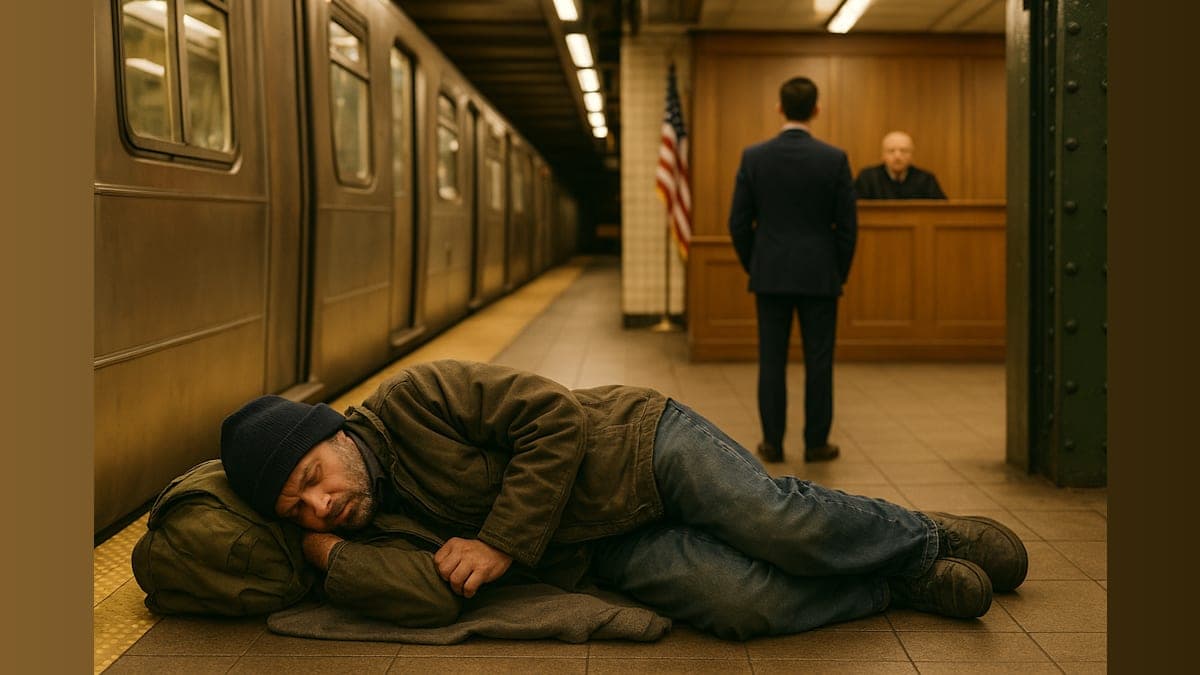
New York City's intensified enforcement against sleeping in the subway system has resulted in a significant increase in homeless individuals facing legal consequences, according to recent reports. The crackdown targets those taking up more than one seat on public transit or lying on station floors, marking a shift in how the city addresses visible homelessness in its transportation infrastructure.
The enforcement actions have swept up a growing number of homeless New Yorkers in recent months, bringing them into the court system for violations related to their presence in subway cars and stations. This approach represents an attempt by city authorities to address longstanding concerns about subway conditions while simultaneously raising questions about the intersection of homelessness, public space, and criminal justice.
The policy has particular significance for New York City's substantial homeless population, many of whom have historically sought shelter in the subway system during overnight hours and cold weather. The Metropolitan Transportation Authority's facilities have long served as an informal refuge for individuals without access to adequate housing or shelter beds, creating ongoing tensions between transit operations, public safety concerns, and the fundamental needs of vulnerable populations.
Critics of the enforcement approach argue that criminalizing homelessness fails to address root causes and may further destabilize already vulnerable individuals by saddling them with court appearances and potential fines they cannot afford to pay. The court system's involvement adds another layer of complexity to lives already marked by housing insecurity and limited resources.
The crackdown occurs against the backdrop of broader debates about public space, quality of life enforcement, and the appropriate response to visible poverty in urban environments. As cities nationwide grapple with similar challenges, New York's approach may serve as a bellwether for how municipal governments balance competing priorities around transit safety, public accommodation, and social services.
The increase in violations and court cases suggests sustained police attention to subway sleeping, representing a departure from periods when such enforcement was more sporadic. For homeless advocates and service providers, the trend underscores the urgent need for expanded shelter capacity and supportive housing options that could provide alternatives to subway system reliance.