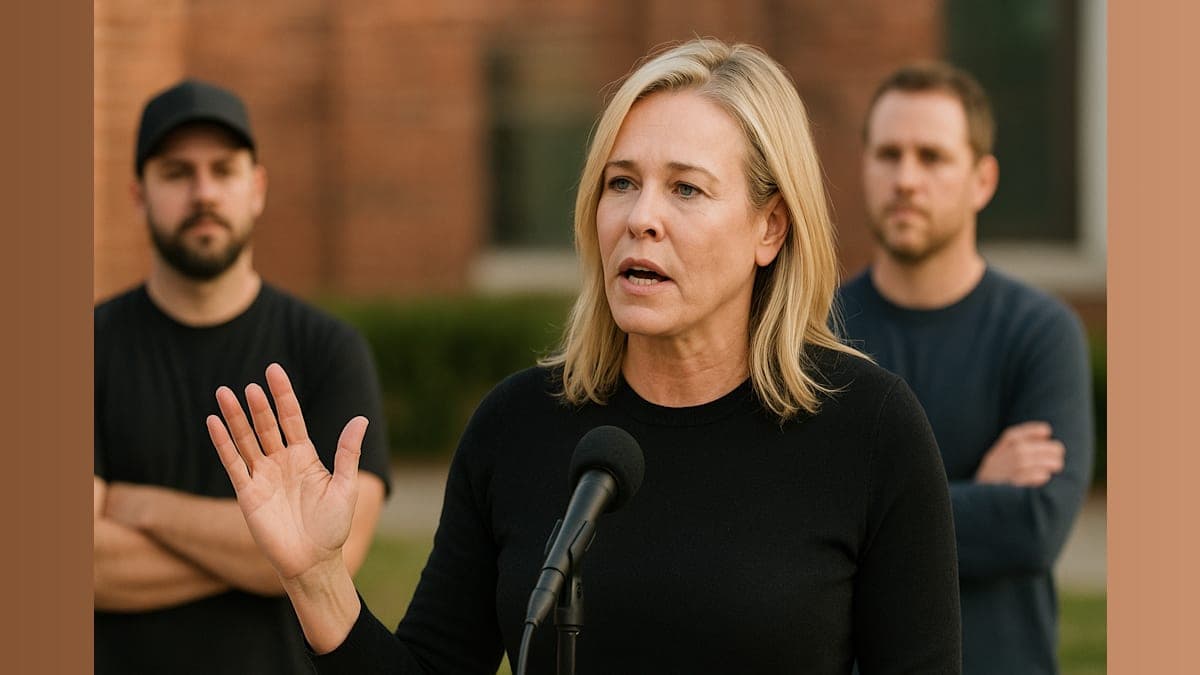
Comedian Chelsea Handler has ignited a firestorm of controversy by publicly condemning fellow comics Shane Gillis and Tony Hinchcliffe for what she characterized as racist material delivered during the recent Netflix roast of Kevin Hart. The criticism, delivered during an appearance on Deon Cole's podcast "Funny Knowing You," marks an escalation in ongoing debates about the boundaries of comedy in contemporary culture.
Handler expressed particular disgust with jokes about lynching and remarks directed at Sheryl Underwood concerning her late husband, who died by suicide. The comedian made clear that her objections extended beyond personal attacks on her own age and sex life, which she dismissed as lazy comedy, focusing instead on what she termed blatant racism in the performances.
The roast itself provided visible evidence of Handler's disapproval, with observers noting her negative reactions during both comedians' sets. When her turn at the microphone arrived, Handler directly confronted Gillis and Hinchcliffe, making her position unmistakably clear to both the live audience and Netflix viewers.
Handler explained her participation in the roast stemmed from her longstanding friendship with Kevin Hart, dating back to her 2000s self-titled sketch comedy series. She expressed the view that Hart deserved superior material and stated she attempted to "elevate" the show through her own performance.
During the podcast conversation with Deon Cole, both comedians concurred that a growing contingent of performers appears to be exploiting the anti-woke movement as cover for pushing boundaries of decency rather than advancing genuine comedic innovation. This observation speaks to broader cultural tensions surrounding free speech, artistic expression, and social responsibility in entertainment.
The controversy surrounding Tony Hinchcliffe extends beyond Handler's criticism. The family of George Floyd previously expressed anger over a joke Hinchcliffe made about the late cultural figure during the Hart roast. Notably, this marked the second roast at which Hinchcliffe had made jokes about Floyd's death, suggesting a pattern of material that has drawn significant objection.
Shane Gillis responded to Handler's criticism with apparent dismissiveness, telling TMZ: "This is a big moment for Chelsea. I am glad she's capitalizing. Good for her. We're all rooting for her. Anyway come see me July 17th at the football stadium in Philly." The response, which pivoted to promoting his upcoming Philadelphia performance, suggests Gillis views the controversy as beneficial publicity rather than legitimate criticism requiring substantive engagement.
The incident highlights persistent tensions within the comedy community regarding acceptable material and the distinction between provocative humor and offensive content. While roasts have traditionally featured harsh and personal attacks as part of their format, Handler's intervention raises questions about whether certain subjects and approaches cross ethical lines that transcend the genre's conventions.
The debate arrives at a moment when comedy faces increased scrutiny regarding its relationship to social issues, with performers, audiences, and critics divided over where creative freedom ends and harmful rhetoric begins. Handler's willingness to publicly challenge her peers represents a notable stance in an industry that has historically valued solidarity among performers, even when privately disagreeing about material or approach.