Gypsy Rose Blanchard offered pointed commentary on the case of Mackenzie Shirilla, suggesting the convicted killer has significant personal growth ahead before experiencing genuine remorse for the fatal crash that claimed two lives.
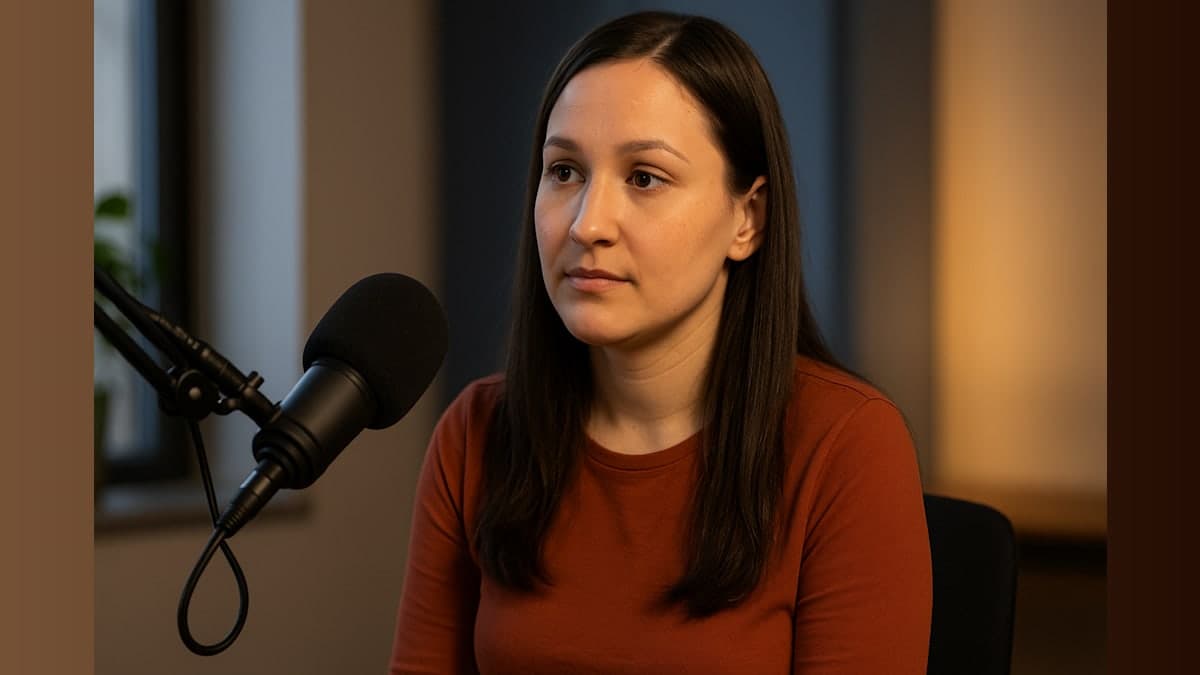
During an appearance on "The TMZ Podcast" with Charlie Neff, Blanchard drew on her own experience with the criminal justice system to analyze Shirilla's situation. Blanchard was released on parole in December 2023 after serving more than eight years of a ten-year sentence for her involvement in the murder of Dee Dee Blanchard. She has since completed her parole supervision.
Blanchard indicated that based on what she observed in the Netflix documentary "The Crash," Shirilla currently shows no signs of remorse. She emphasized that significant reflection, hard work, and maturation will be necessary before Shirilla reaches that emotional state. When that moment arrives, Blanchard predicted it will be overwhelming.
The discussion carries particular weight given Blanchard's firsthand knowledge of the parole process. She noted that demonstrating genuine remorse will be essential if Shirilla hopes to secure release when she becomes eligible to appear before the parole board in Ohio in 2037.
Shirilla was convicted of murdering Dominic Russo and Davion Flanagan in a fatal car crash. She maintains her innocence. Blanchard acknowledged that Shirilla faces substantial obstacles to gaining parole, particularly given the opposition from the victims' families.
The podcast conversation also addressed efforts by Christina Russo, Dominic's sister, to change laws preventing convicted criminals from profiting from their crimes. Russo has alleged that Shirilla is currently profiting from her case. However, Blanchard explained that the legal and ethical issues surrounding such situations are more complex than they might initially appear.
Blanchard's perspective offers a unique lens on the criminal justice system, informed by her personal journey through incarceration, parole, and reintegration into society. Her successful completion of parole supervision demonstrates the possibility of rehabilitation, though she made clear that the path requires genuine accountability and personal transformation.