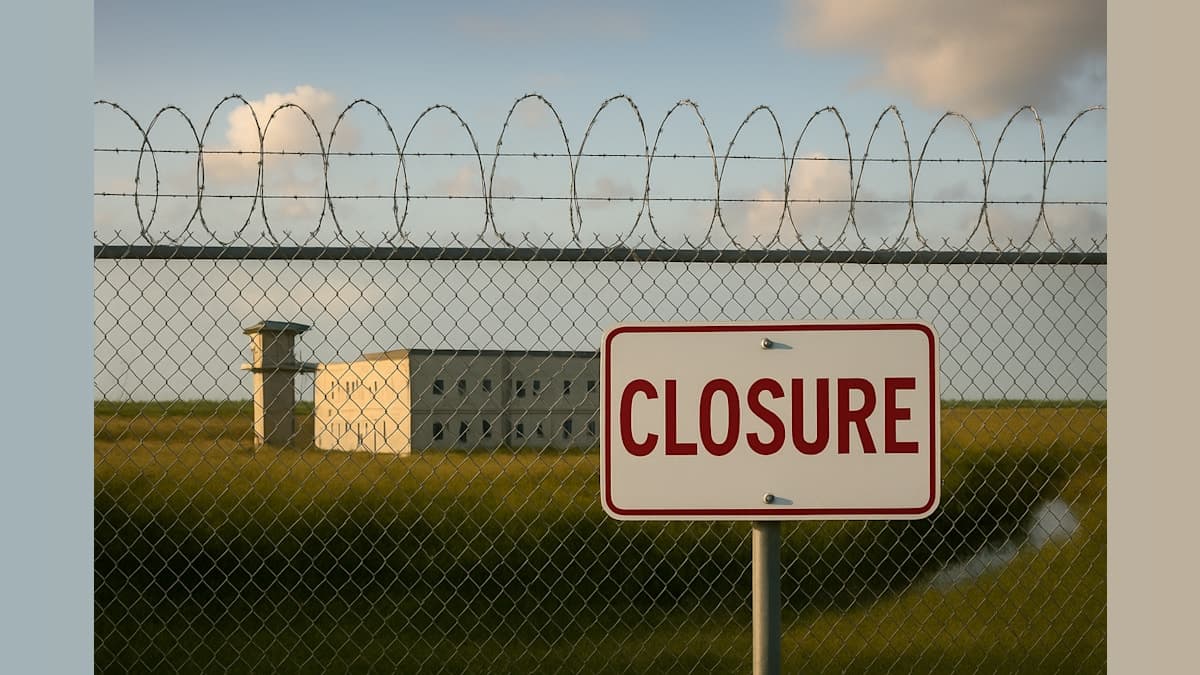
A controversial immigration detention center located deep within the Florida Everglades appears headed toward closure as officials grapple with mounting operational costs at the remote facility.
The detention center, which has earned the nickname 'Alligator Alcatraz' due to its isolated location surrounded by swampland and wildlife, has become financially unsustainable to maintain, raising questions about the future of immigration detention operations in South Florida.
The facility's remote positioning in the Everglades has long presented logistical challenges. Transportation costs, infrastructure maintenance in a harsh wetland environment, and the difficulty of staffing a location far from population centers have contributed to expenses that officials now deem prohibitive.
Immigration detention centers across the nation have faced increased scrutiny regarding both their operational costs and conditions. The potential closure of this particular facility represents a significant development in ongoing debates about immigration enforcement infrastructure and resource allocation.
The Everglades location has presented unique challenges beyond typical detention facility operations. The surrounding ecosystem, home to alligators and other wildlife, has necessitated specialized security measures and environmental considerations that have added to operational complexity.
Should the closure proceed, detained individuals would likely be transferred to other facilities within the immigration detention system. The decision would also impact local employment, as detention center staff would face reassignment or job loss.
The financial pressures facing the facility reflect broader questions about the sustainability of remote detention operations. As federal and state agencies evaluate immigration enforcement strategies, cost-effectiveness has become an increasingly important factor in facility management decisions.
No official timeline for the potential closure has been announced, though the acknowledgment of unsustainable costs suggests decision-makers are actively evaluating alternatives to continued operation of the Everglades facility.