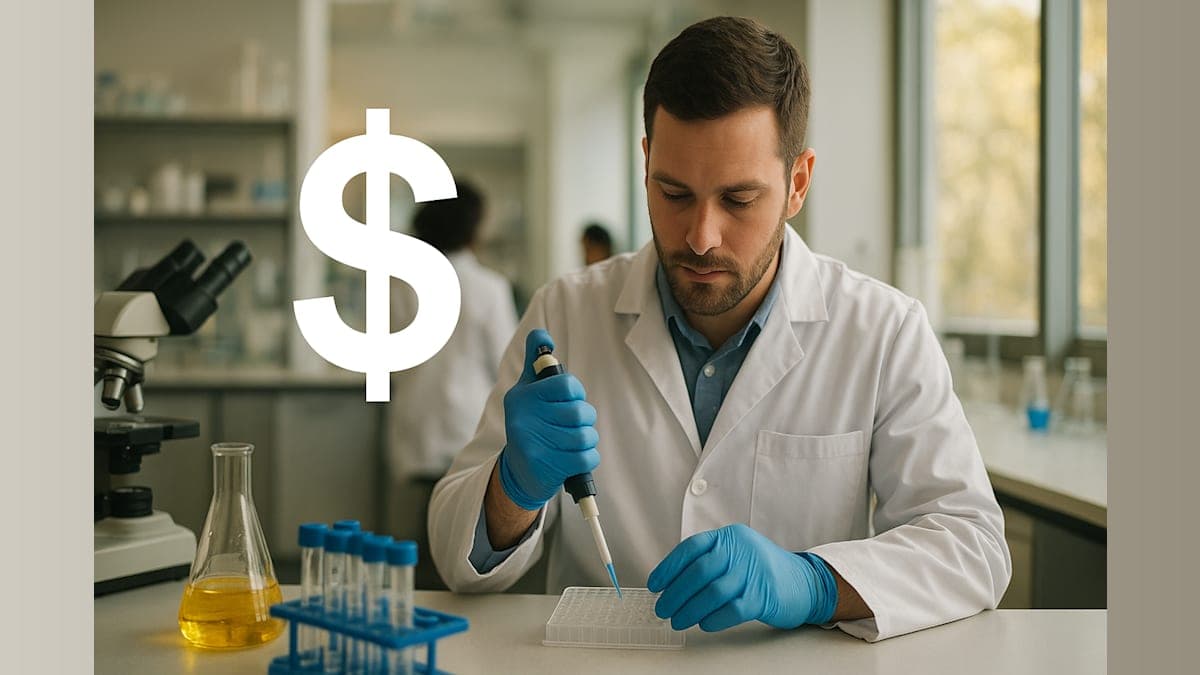
The Trump administration announced on Monday, May 11, 2026, the restoration of billions of dollars in federal research funding that had been frozen or withheld from research institutions and agencies nationwide. While the decision marks a reversal of previous policy, many researchers are expressing concern that the damage to ongoing scientific projects may already be irreversible.
The funding freeze had affected numerous research institutions and federal agencies, creating uncertainty and disruption across the scientific community. Researchers had been forced to halt experiments, lay off staff, and abandon time-sensitive studies during the period when federal dollars were unavailable.
According to researchers who spoke about the situation, the restoration of funding arrives too late to salvage their work. Scientific research often operates on strict timelines, with experiments requiring continuous funding to maintain momentum. When funding is interrupted, years of progress can be lost, particularly in fields involving live subjects, time-sensitive data collection, or collaborative international projects.
The implications extend beyond individual projects. Research institutions have faced difficult decisions about staffing, equipment purchases, and long-term planning during the funding freeze. Graduate students and postdoctoral researchers, who depend on grant funding for their positions and stipends, have been particularly vulnerable to the disruption.
The restoration of federal research dollars represents a significant policy shift, but the scientific community now faces the challenge of assessing what can be salvaged and what has been permanently lost. For some researchers, the gap in funding has created setbacks that cannot be overcome simply by turning the financial spigot back on.
The situation highlights the delicate nature of scientific research funding and the cascading effects that policy decisions can have on the nation's research infrastructure. As institutions work to resume operations with restored funding, questions remain about how to prevent similar disruptions in the future and whether the scientific community can recover from the interruption to critical research programs.