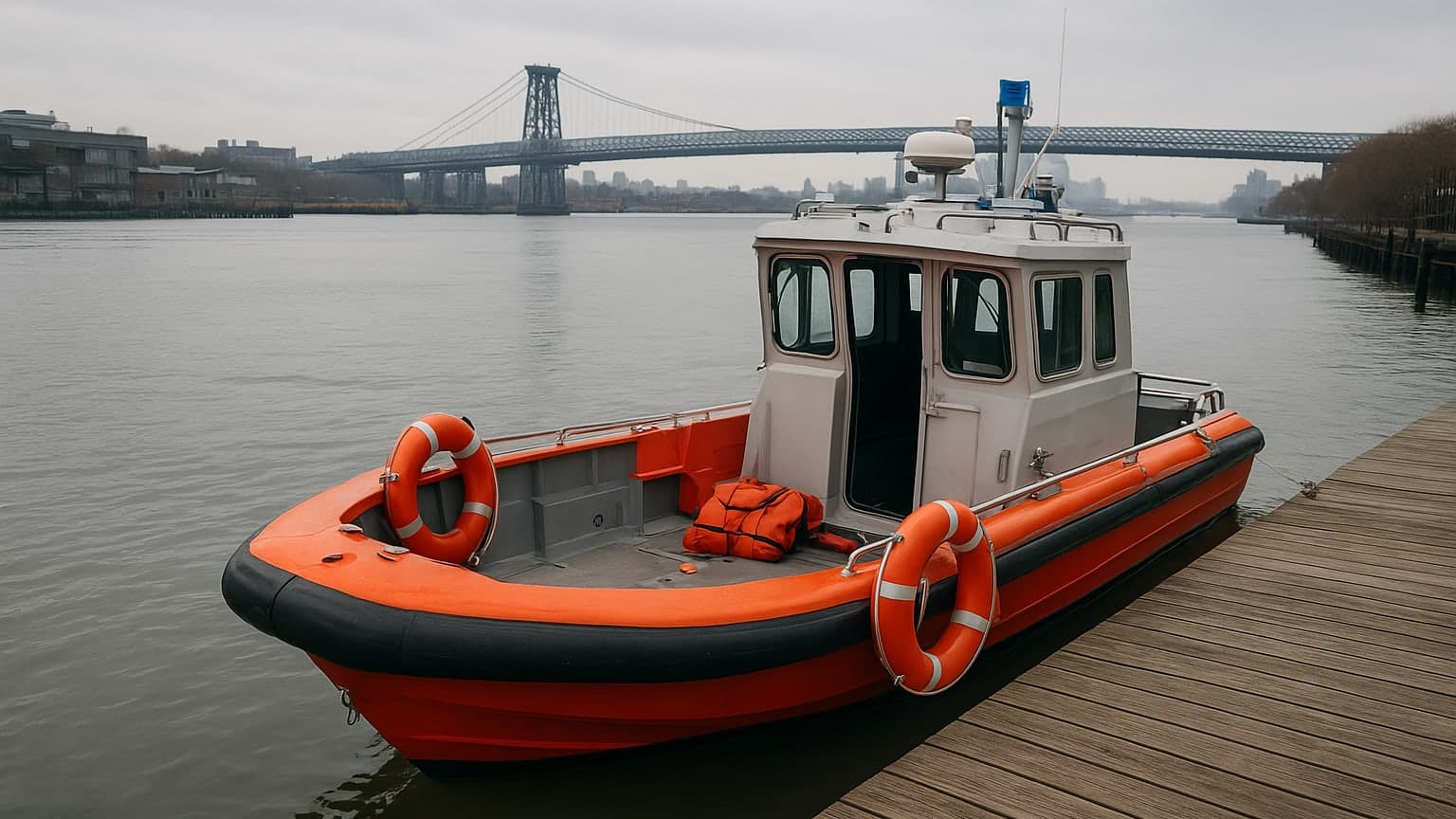
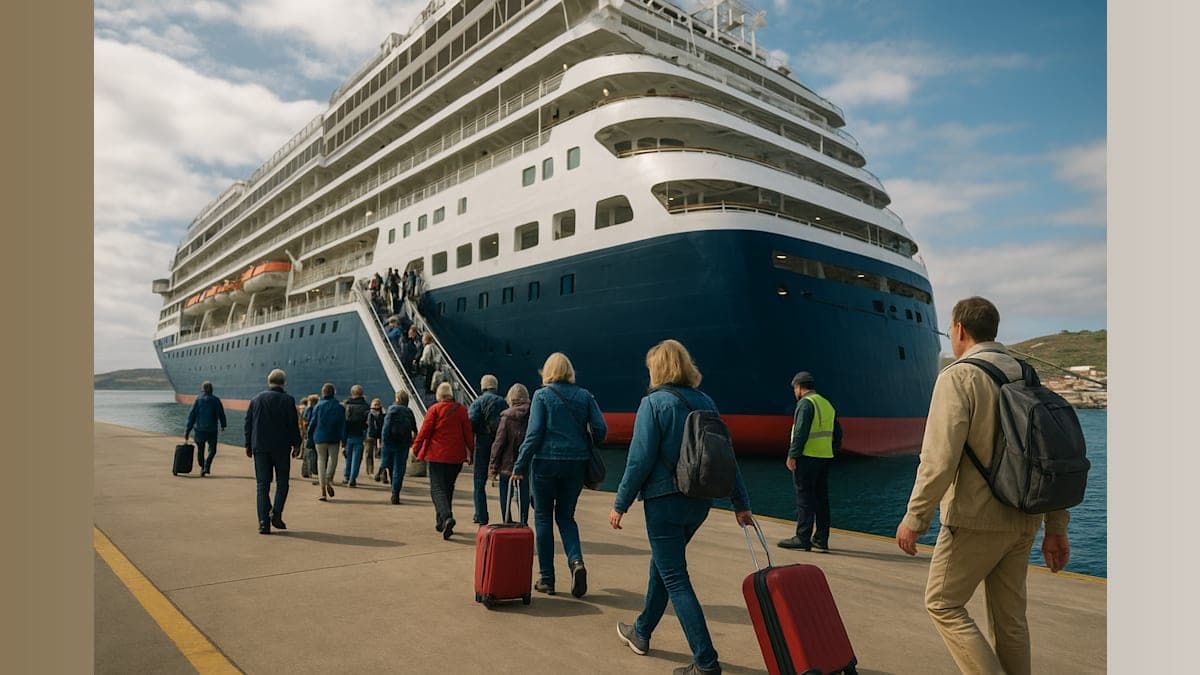
A cruise ship at the center of a deadly Hantavirus outbreak arrived at Granadilla Port in Tenerife on Sunday morning, May 10, 2026, where Spanish health officials began the careful process of screening and evacuating passengers who have endured weeks of uncertainty and fear.
The MV Hondius became the focus of international concern after three passengers died from Hantavirus last month and eight additional cases were confirmed aboard the vessel. According to Reuters, passengers were seen carrying their belongings in plastic bags as they prepared to leave the ship under strict health protocols.
Spanish health officials established screening stations at the port in Spain's Canary Islands, examining travelers for symptoms before permitting anyone to disembark. Once cleared through medical checks, passengers were transported ashore in small groups and are expected to be taken to the island's main airport for flights back to their home countries. Seventeen Americans are reportedly among those on board the ship.
The evacuation protocol prioritized Spanish nationals for the initial disembarkation, with passengers from other countries following after completing required medical examinations. This systematic approach reflects the cautious measures health authorities are implementing to prevent any potential spread of the virus beyond the vessel.
The outbreak has generated significant anxiety throughout the Canary Islands and internationally, prompting the World Health Organization to address public concerns directly. Officials with the organization emphasized this week that the rare virus situation does not qualify as a pandemic, seeking to distinguish the current health event from the global COVID-19 crisis that remains fresh in collective memory.
WHO Director-General Dr. Tedros Adhanom Ghebreyesus released a statement Friday addressing mounting public concern. His message acknowledged the psychological impact of witnessing another disease outbreak while attempting to provide reassurance based on scientific assessment.
"I know you are worried. I know that when you hear the word 'outbreak' and watch a ship sail toward your shores, memories surface that none of us have fully put to rest," Dr. Tedros Adhanom Ghebreyesus stated. "The pain of 2020 is still real, and I do not dismiss it for a single moment. But I need you to hear me clearly: this is not another COVID-19. The current public health risk from Hantavirus remains low."
Hantavirus, unlike COVID-19, is not easily transmitted between humans. The virus is typically contracted through contact with rodent droppings, urine, or saliva, making person-to-person transmission extremely rare. This fundamental difference in transmission mechanics underlies health officials' assertions that the outbreak poses limited risk to the broader public, despite the tragic deaths that occurred aboard the MV Hondius.
The circumstances that led to multiple Hantavirus cases on a single cruise ship remain under investigation. Health authorities will likely examine the vessel's sanitation systems, food storage areas, and any ports of call where rodent exposure may have occurred. Understanding the source of the outbreak will be critical for preventing similar incidents in the maritime travel industry.
For the seventeen Americans aboard the MV Hondius, the evacuation marks the beginning of their journey home after what has undoubtedly been a harrowing experience. These passengers, along with all others on board, will likely face additional health monitoring in their home countries as a precautionary measure, even as experts maintain that the risk of widespread transmission remains minimal.
The incident serves as a reminder of the complex health challenges that can emerge in the confined environment of cruise ships, where hundreds or thousands of people share common spaces for extended periods. While this outbreak involves a virus with fundamentally different transmission characteristics than COVID-19, it nonetheless highlights the importance of robust health protocols and rapid response capabilities in the maritime travel sector.