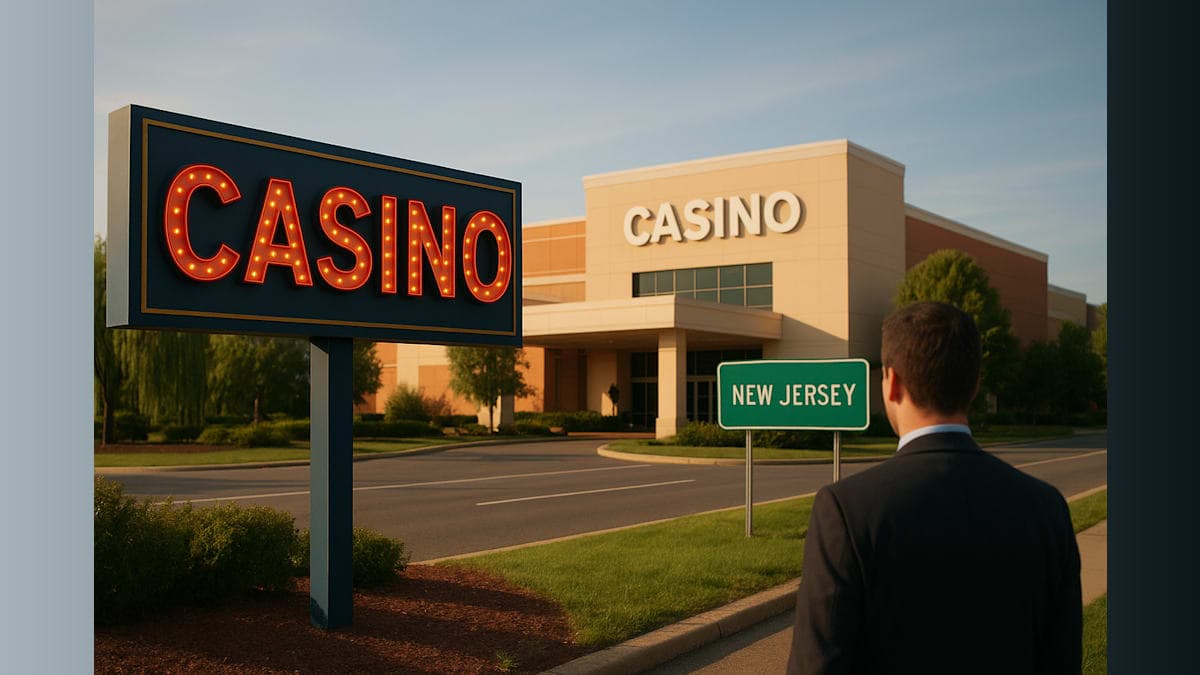
The question of whether casinos should operate outside Atlantic City is back on the table in Trenton, marking a renewed chapter in one of New Jersey's most contentious policy debates.
For decades, Atlantic City has held exclusive rights to casino gaming in our state, a monopoly designed to revitalize the seaside resort town. But as neighboring states have embraced expanded gaming and competition has intensified, pressure has mounted to reconsider this arrangement.
The discussion carries significant implications for communities across New Jersey. Proponents of expansion argue that allowing casinos in northern counties could capture revenue currently flowing to neighboring states like Pennsylvania and New York, while creating jobs and boosting local economies. Northern New Jersey, with its proximity to New York City, represents a particularly attractive market.
However, Atlantic City stakeholders have consistently opposed such measures, warning that expansion could devastate the shore town's gaming industry and the thousands of jobs it supports. The city has weathered multiple casino closures over the past decade, and many argue it needs continued protection to maintain its economic foundation.
This isn't the first time lawmakers have explored casino expansion. Previous ballot initiatives and legislative proposals have sparked heated debate, with Atlantic City's interests often clashing with those seeking economic development opportunities elsewhere in the state.
As discussions unfold in the coming months, New Jersey residents will likely hear competing visions for the state's gaming future. The outcome could determine whether Atlantic City maintains its unique status or whether our state embraces a more distributed approach to casino gaming—a decision that will shape local economies and communities for years to come.