Our community's parking landscape is about to shift as Cape May prepares to implement its first parking meter rate increase in more than five years. While many Jersey Shore towns have steadily raised their parking fees, Cape May has held the line—until now.
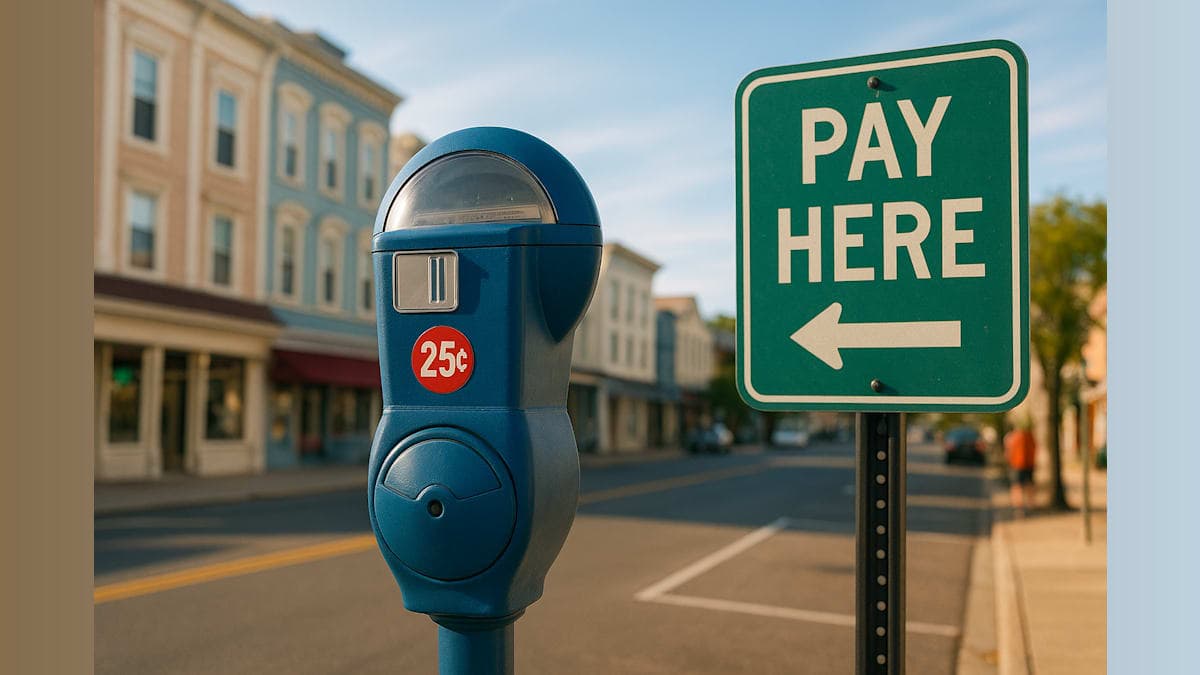
Cape May City Council took a preliminary vote on Monday, May 5, 2026, to enact what officials describe as small but noticeable rate increases for on-street parking meters throughout the city. The changes, expected to take effect before Memorial Day, are based on a comprehensive traffic study and aim to help the city cover rising operational costs.
What's Changing
The most significant increase affects parking near the Washington Street Mall, our city's bustling commercial hub known for its boutiques and restaurants. Meters in that area will rise from $2 to $3 per hour—a $1 increase that reflects the area's year-round popularity and high demand.
Drivers parking at all other meters across town will see a smaller bump, from $1.50 to $2 per hour. Most of these meters are located in areas toward the Cove Beach and the Coast Guard's training center, farther from the outdoor mall.
Interestingly, the Washington Street Mall area nearly saw an even steeper increase. The initial proposal called for $4 per hour rates, but City Manager Paul Dietrich suggested a revision based on his review of the traffic study. "That makes it a more moderate increase," Dietrich explained during the council meeting.
Good news for visitors to our six public parking spaces: the plan does not include price increases for those facilities.
Extended Meter Season
Beyond the rate increases, Cape May will adjust its meter operating schedule. Starting this year, the city will turn off all meters after December 31 and reactivate them on April 1. This extends the operating season for meters farthest from the shopping mall, which have traditionally been turned off after October.
In another change, city officials announced plans to eliminate the three-hour parking limit near the Washington Street Mall—at least for one summer. According to Dietrich, most cars move within the three-hour window anyway, and the city barely enforces the limit. Officials will study the effects on traffic this summer before deciding whether to reinstate the restriction.
Community Concerns
Not everyone supports the increases. Chris Cook, a small business owner in Cape May for 18 years, voiced concerns during the council meeting that higher fees could discourage middle-class visitors who make up the bulk of the city's day-trippers.
"In this time of economic uncertainty, and the cost of living for all our visitors that come here, I don't know if it's the right time to do it at all," Cook said.
Mayor Zack Mullock acknowledged the difficulty of the decision but emphasized the necessity. "I do think the $3 is probably going to pass," Mullock said during the May 5 meeting. "It has been six years. You guys know the cost…it's gone up, so we've got to maintain it a bit."
The Bigger Picture
Cape May's last parking meter increase came in May 2019, making this the first adjustment in more than five years. The city collects parking fees through ParkMobile, the popular parking app, and parking revenue represents a significant portion of the municipal budget.
In 2025, Cape May earned roughly $2.7 million from parking meters scattered around town—a vital revenue source that helps cover costs in the annual municipal budget. More than 20 Jersey Shore towns include parking meters on their streets, and officials in many communities consider them essential for maintaining infrastructure and services.
Cape May is at least the second town in Cape May County to consider changes to parking controls this year. Diamond Beach, an oceanfront community slightly north of Cape May, had planned to add new parking meters in areas closest to its beach, with meters expected to be operational by Memorial Day. However, local officials canceled the plan after weeks of pushback from residents.
As we head into the busy summer season, these changes reflect the ongoing challenge our coastal communities face: balancing the need for revenue with maintaining accessibility for the visitors and residents who make Cape May the vibrant destination it is.