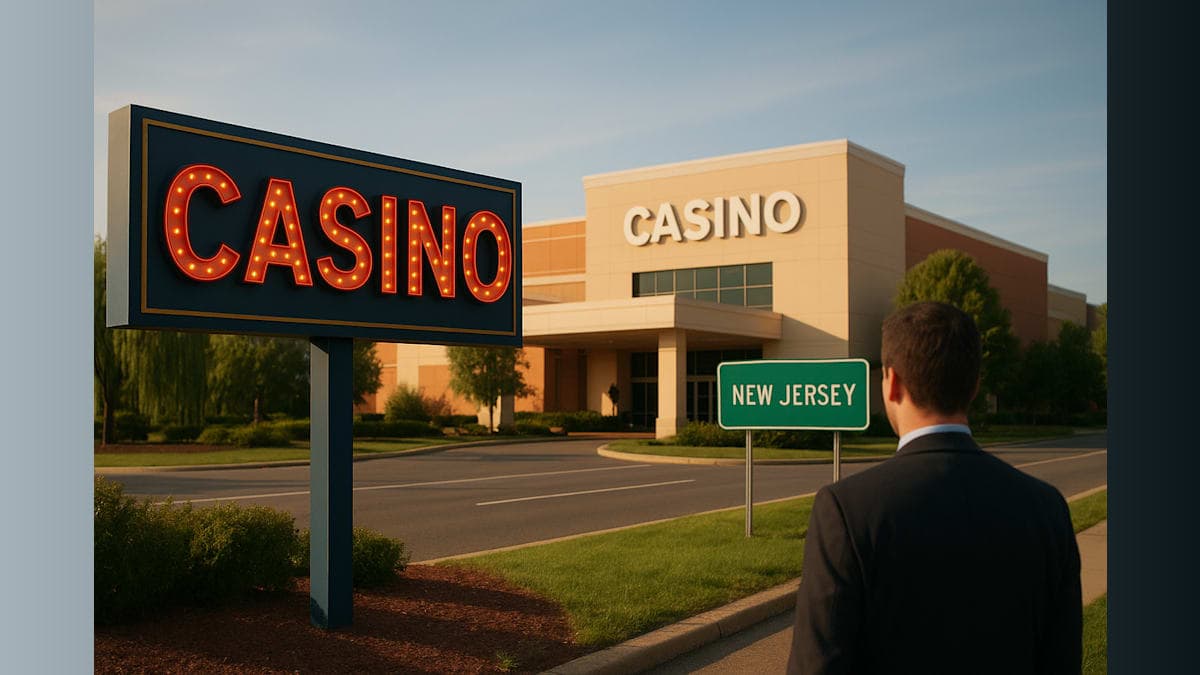
ATLANTIC CITY, N.J. — A new wave of casino development in neighboring New York is setting off alarm bells along the Boardwalk, where industry leaders and lawmakers say the future of Atlantic City could hinge on decisions made over the next year.
State officials in New York are moving ahead with plans to award three full-scale casino licenses in the downstate region, including projects in and around New York City. One of the most prominent proposals involves expanding Resorts World New York City into a full casino resort, with a timeline that could bring new competition online as early as 2026.
For Atlantic City — which has long relied on day-trippers from North Jersey and New York — the concern is straightforward: those customers may soon have closer, newer options.
“This is the most serious competitive threat we’ve seen in years,” said one South Jersey gaming analyst familiar with the market. “If even a fraction of that traffic stays in New York, it will be felt here.”
The ripple effects are already being debated in Trenton, where lawmakers are once again considering whether to break Atlantic City’s decades-long monopoly on casino gambling in New Jersey. Proposals under discussion include authorizing casinos at the Meadowlands and at Monmouth Park Racetrack, both of which sit closer to the North Jersey population centers that New York is targeting.
Supporters of expansion argue the state must act quickly to stay competitive.
“We can’t ignore what’s happening across the river,” one North Jersey lawmaker said during a recent policy discussion. “If we don’t adapt, we risk losing billions in revenue and thousands of jobs.”
But opposition remains strong in Atlantic County, where casino executives and local leaders warn that expanding gambling elsewhere in the state could undercut the very industry it aims to protect.
Atlantic City’s nine casinos support tens of thousands of jobs and remain a cornerstone of the regional economy. While total gaming revenue has rebounded in recent years — driven in large part by the state’s nation-leading online casino sector — in-person gambling and tourism still play a critical role.
“There’s a real danger of cannibalization,” said a local industry representative. “You don’t solve out-of-state competition by creating in-state competition.”
The debate echoes a failed 2016 referendum, when New Jersey voters overwhelmingly rejected a proposal to allow casinos outside Atlantic City. Whether public sentiment has shifted remains an open question, particularly as the competitive landscape evolves.
Adding another layer to the issue is the rapid growth of online gambling. New Jersey’s iGaming sector now generates billions annually, at times rivaling or surpassing revenue from brick-and-mortar casinos. That shift has helped cushion Atlantic City from broader declines in foot traffic — but it has not eliminated the importance of hotel stays, entertainment, and on-site spending.
For workers and businesses in Atlantic City, the stakes are tangible.
“We’ve been through ups and downs before,” said a longtime casino employee on the Boardwalk. “But this feels different. If people don’t have to drive here anymore, that changes everything.”
Any expansion of casino gambling beyond Atlantic City would require voter approval, setting up the possibility of another statewide referendum. Timing could prove critical, as New York’s projects continue to advance.
For now, Atlantic City finds itself in a familiar but increasingly urgent position — fighting to protect its place in a regional gaming market that is rapidly shifting around it.
About the Author
Paul Kelly
Paul Kelly is a contributor to LocalBeat, covering local news and community stories.